
Project In Humanity
What if a large group of unwitting geoengineers have been implementing a global project that alters the climate and modifies the weather in a misguided and misinformed attempt to advance civilization?


Originally published: February 10, 2026. Last updated: June 8, 2026

Please watch both of the videos below:
You have been lied to for nearly two decades.
Take some time to challenge your assumptions.
https://www.youtube.com/watch?v=mS1bci-aS6c
Source Video #1: Medical Doctors For COVID Ethics, International
Source Video #2: Truth Action Project
Additional Interview: The Patriot Pulse Podcast
Please take the time to read this article in its entirety in order to comprehend the true dangers inherent in a scientific operation (Sci-Op) such as this. After you have read the complete article, please share it far and wide:
ProjectInHumanity.com

This is just the first in a series of articles.
I encourage you to read them all:
1. Seeking The Truth
2. Project In Humanity
3. What Causes The White Lines In The Sky?
4. Nearly Every Nation on Earth Agreed to a Moratorium on Geoengineering in 2010
5. The Gaping Loophole in U.S. Federal Law Regarding Weather Modification Reporting
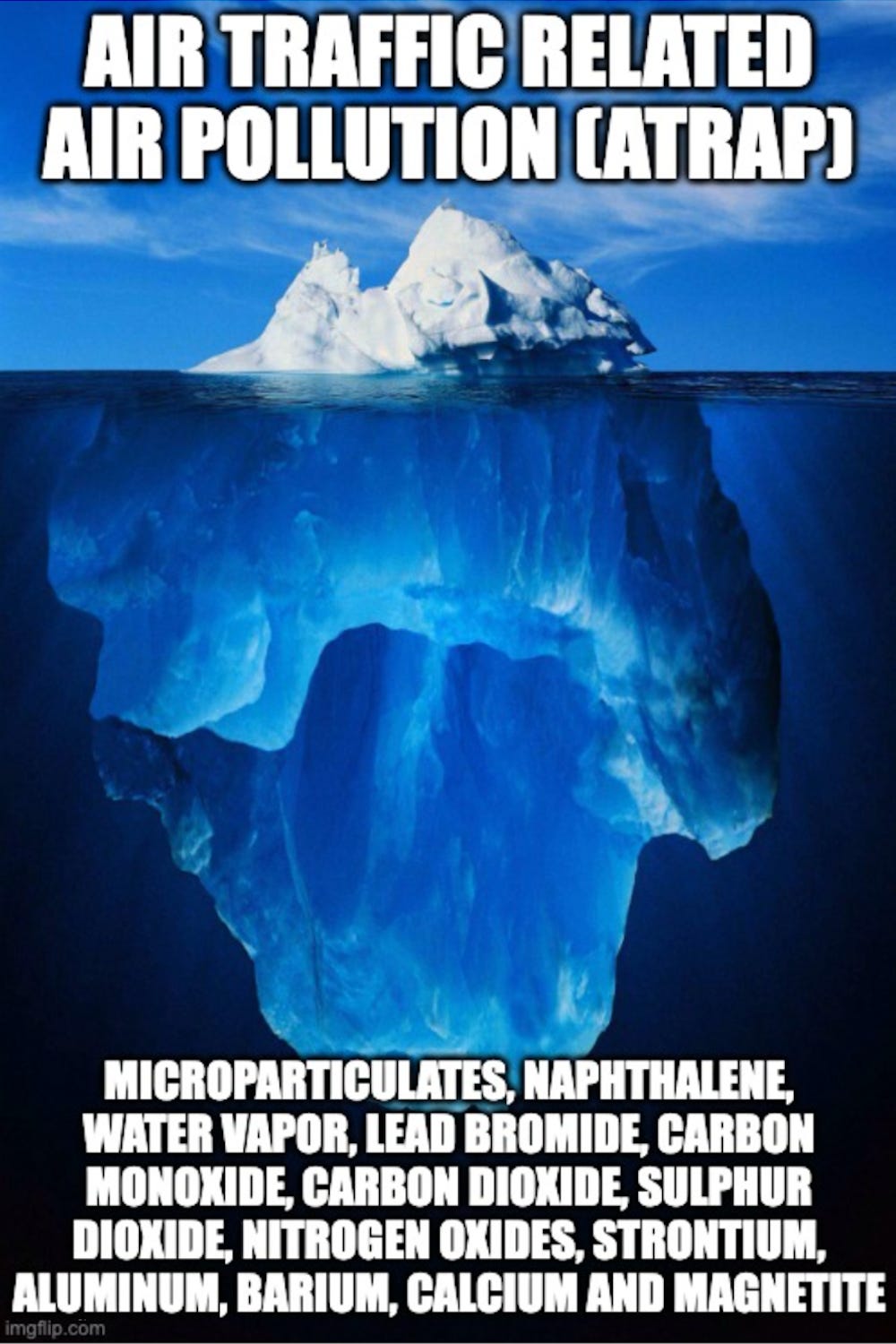
6. Air Traffic Related Air Pollution
7. Get The Lead Out! (Deadline for comment was March 13, 2026)
8. Strontium, Aluminum and Barium, Oh My!
9. Aerotoxic Syndrome
10. The Air Quality Act
11. Petition to Stop Geoengineering
12. Missouri’s Clean Skies Act
13. Blocking the Sun with Amorphous Silica
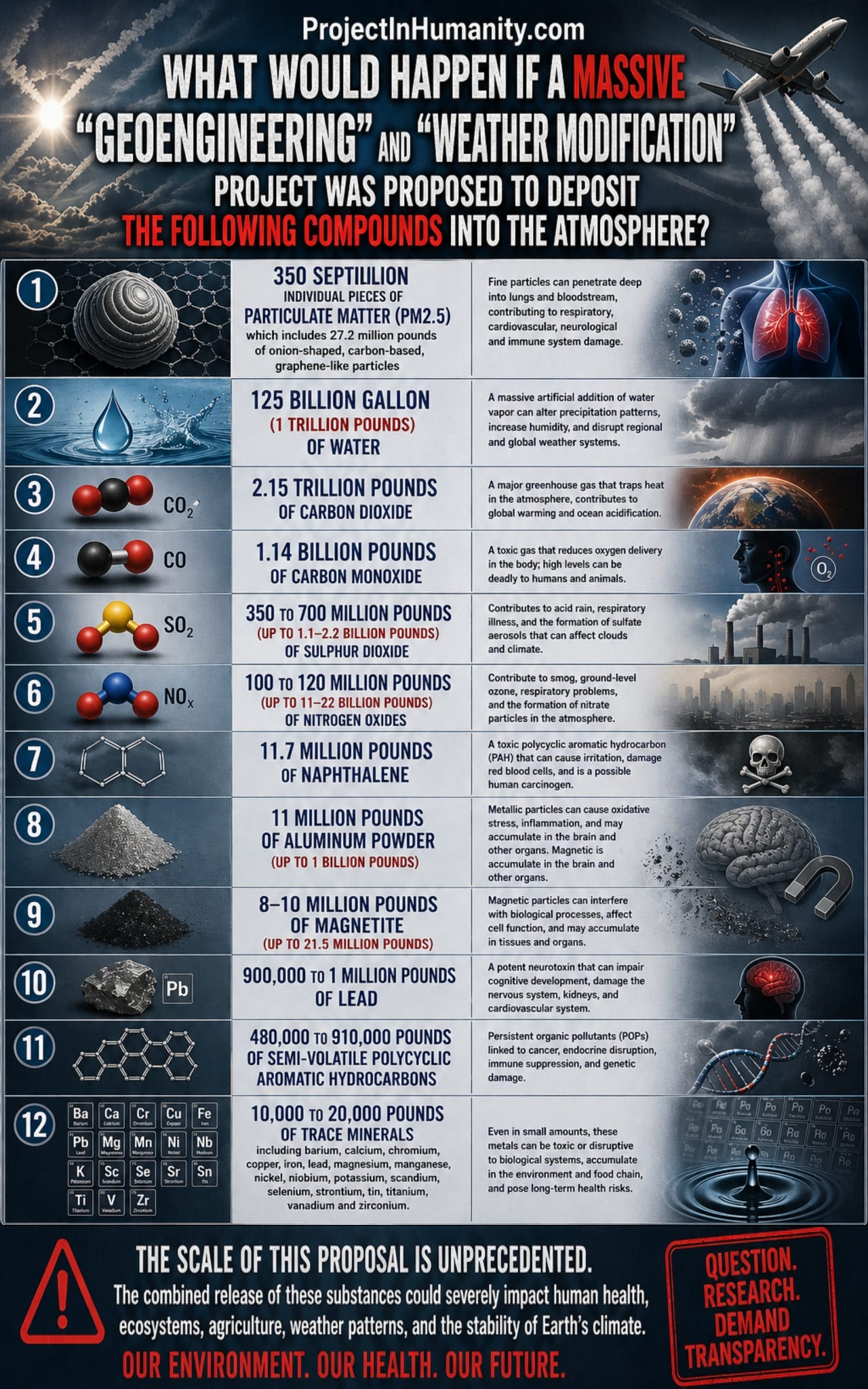
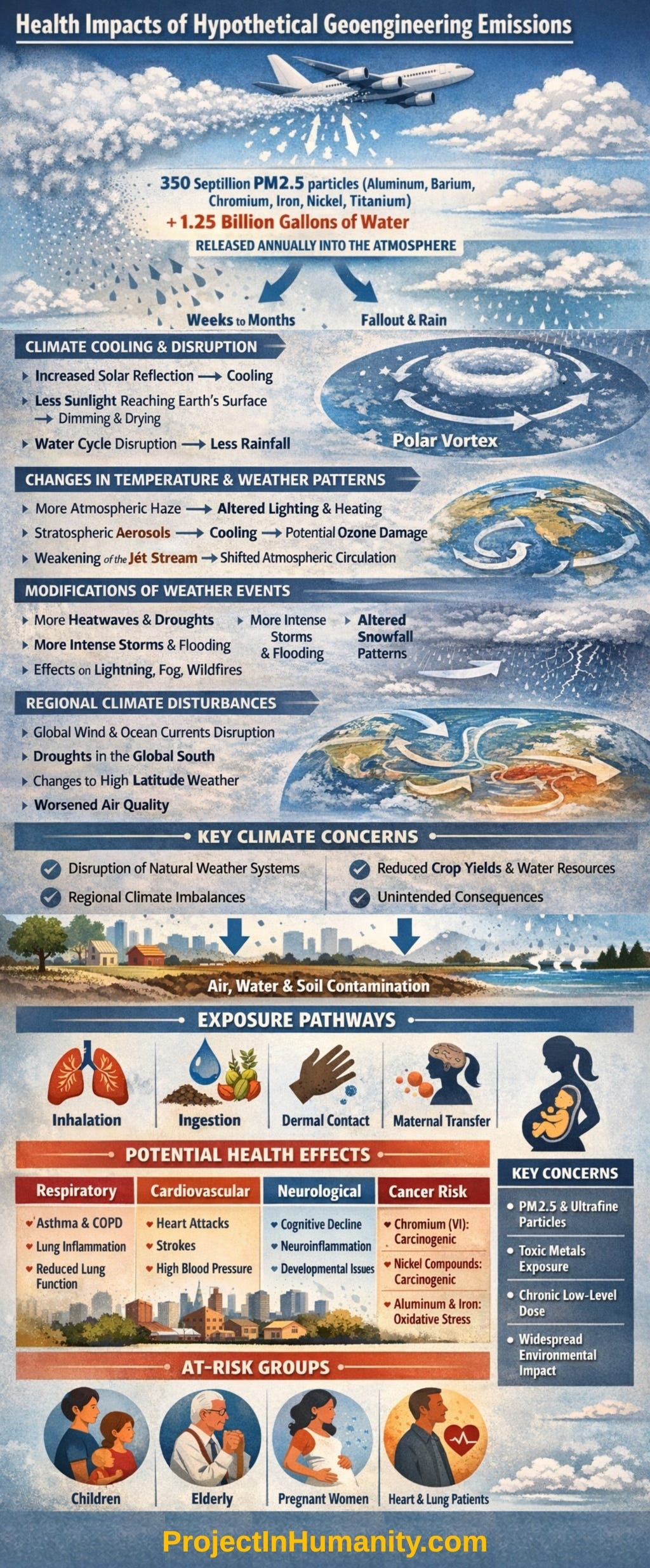
The pollutants listed in the infographic below are a conservative estimate of the total amount of pollution released into the atmosphere every year by the aviation and rocketry industries.
CLARIFICATION #1:
Some astute readers have pointed out that aircraft pollutants are relatively small compared to planetary forces. That is mostly (but not completely) true, but nevertheless, such a comparison is NOT the most appropriate perspective.
The massive numbers associated with pollution caused by aviation and rocketry are presented so that they can be compared to the purported and unproven amounts of aluminum, barium, strontium, coal fly ash or whatever other substances many people claim are being sprayed into the atmosphere to create the white lines in the sky.
Any purported “spraying” should be viewed in comparison to the massive amount of pollutants that are being spewed into the atmosphere every day by the aviation and rocketry industries.
CLARIFICATION #2:
Nothing in this information is designed to support “de-growth” or “sustainability” as it is promoted by the United Nations Agenda 2030 or any other groups. The information contained in this article supports removing compounds from jet fuel and aviation gasoline that can easily be removed in order to reduce pollution.

On page 29 (page 31 in the PDF) in the 2025 Statistical Review of World Energy, you can verify that in 2024, 119,558,670,000 gallons of jet fuel were used worldwide.
7,799,000 barrels x 42 gallons/barrel x 365 days = 119,558,670,000 gallons
119,558,670,000 gallons of jet fuel x 6.7 pounds per gallon = 800+ billion pounds

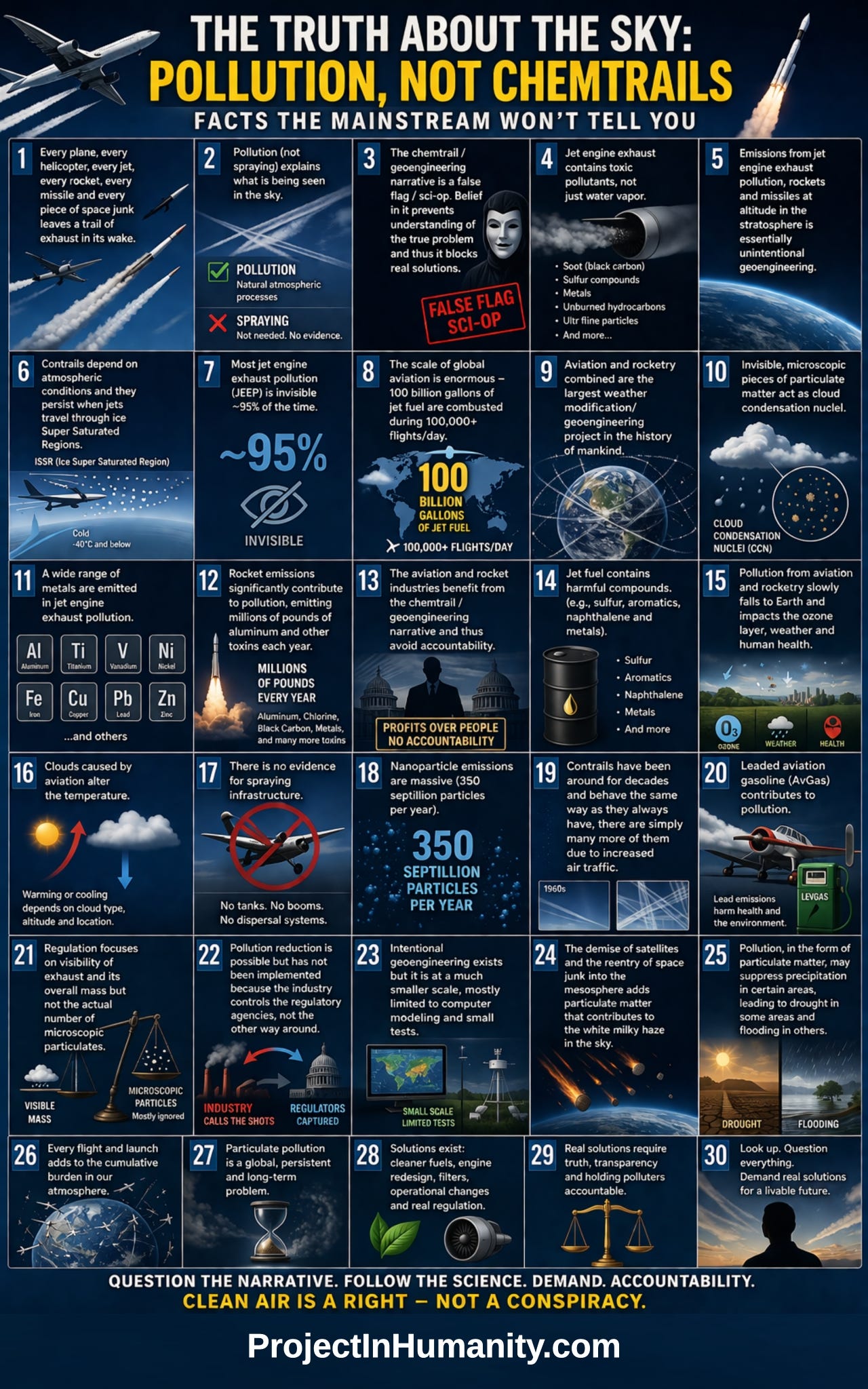
I realize that these infographics may be difficult to read on a phone. Download the PDF in order to enlarge them for better readability.

In the subtitle of this article, I posed the following question:

The United States, other governments, and private actors are engaging in the manipulation of the Earth’s weather by, inter alia:
a. allowing chemical/condensation trails to accumulate behind airplanes on a massive scale, dramatically altering the Earth’s atmosphere, temperature and weather;
b. allowing the chemical composition of jet fuel to be of such a quality that it alters the trails left behind airplanes, dramatically altering the Earth’s atmosphere, temperature and weather;
c. allowing particulate matter and other contaminants to create trails behind airplanes, dramatically altering the Earth’s atmosphere, temperature and weather;
https://thegeofight.com/documents/mabie-v-university-of-colorado-amended-complaint.pdf

What if all of “us” are the “unwitting geoengineers?”
Contrails are a concern in climate studies as increased jet traffic may result in an increase in cloud cover. Several scientific studies are being conducted with respect to contrail formation and their climatic effects. Cirrus clouds affect Earth’s climate by reflecting incoming sunlight and inhibiting heat loss from the surface of the planet.
It has been estimated that in certain heavy air-traffic corridors, cloud cover has increased by as much as 20%.
Since contrails can spread out and essentially become cirrus clouds, it is felt that contrails may affect the planetary climate in similar ways. Other studies are underway to better understand the role that jet exhaust itself plays in modifying the chemistry of the upper levels of the atmosphere.

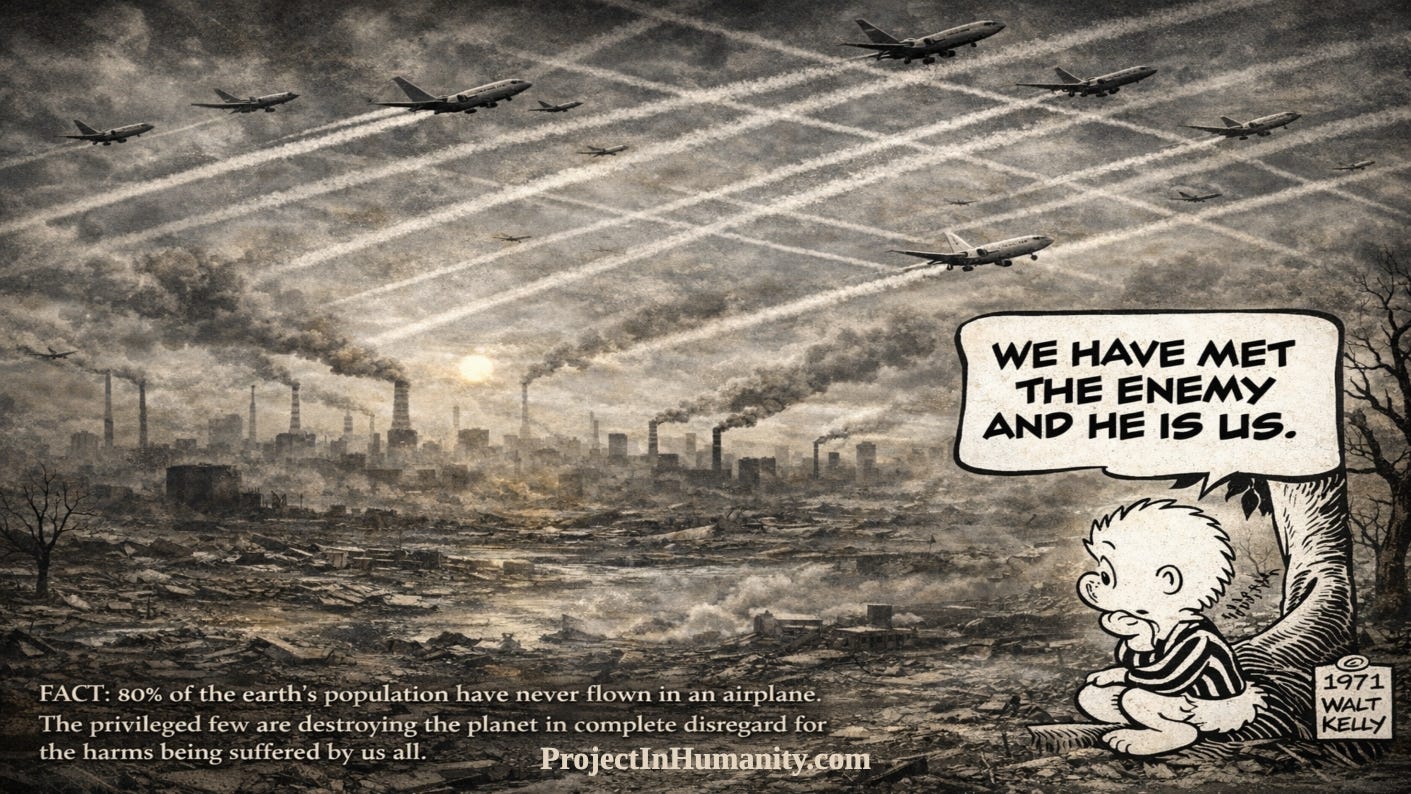


Watch the video below:

Artificial Intelligence Analysis
Based on a suggestion from a good friend (you know who you are!) I decided to use the advanced tools of the “powers that be” against the “powers that be.”
I “tricked” ChatGPT and Google Gemini into thinking that I was proposing an actual geoengineering/weather modification project and ChatGPT and Google Gemini dutifully provided the “scientific” analysis presented in this article, because those programs did not recognize the true context of my request. Google Gemini provided the first two sections of this article (Particulate Matter and Water) as well as much of the specific data, and ChatGPT provided the remainder of the article and most of the graphics as well.
This article is NOT about what “THEY” are “spraying.”
This article actually describes the current state of the world in which we live. Some people refer to it as “accidental geoengineering.” The details are as accurate as possible. This is the sum total of the harm that the global aviation and rocket industries have been doing to planet Earth. Maybe we are also being “sprayed” by some hidden evil villains - but our planet is clearly being poisoned by corporate interests and by the regular people who unwittingly support them.
Reality
The information in this article is about what “we” (humanity) are collectively doing to ourselves through the massive pollution that is directly and demonstrably caused by global aviation and rocketry.
“We the People” have been implementing “Project InHumanity” on ourselves for over one hundred years (since the beginning of aviation and rocketry). Did you comprehend the double entendre in the title? It may be even deeper than you think!
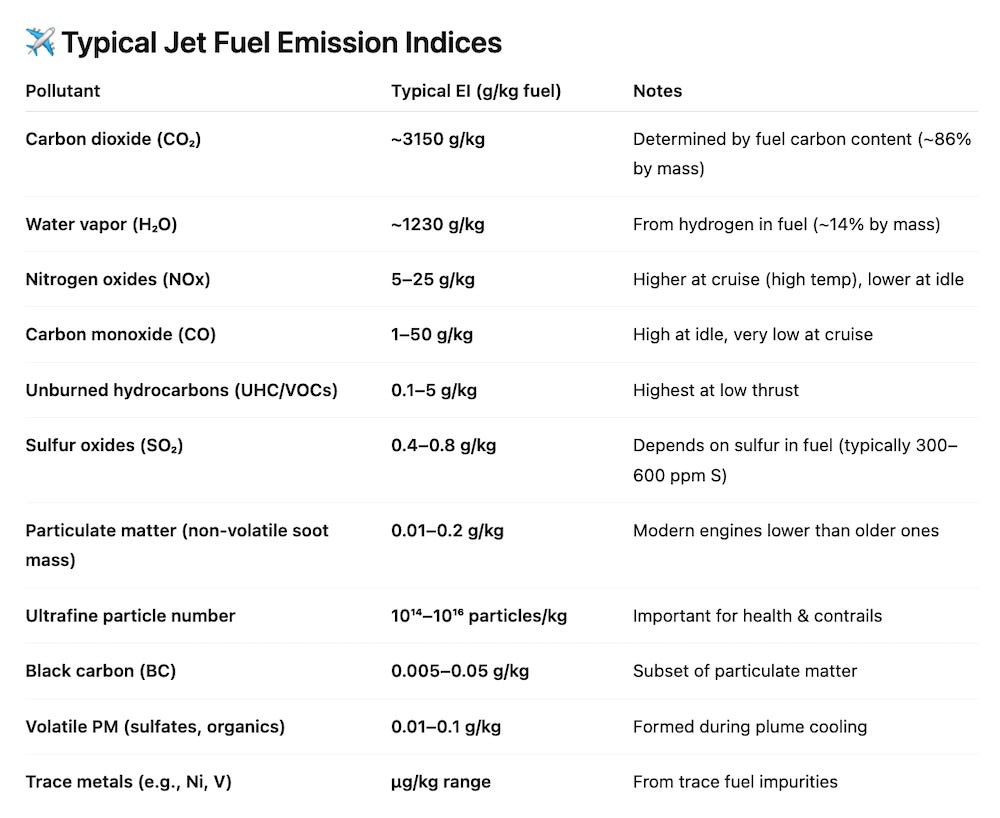
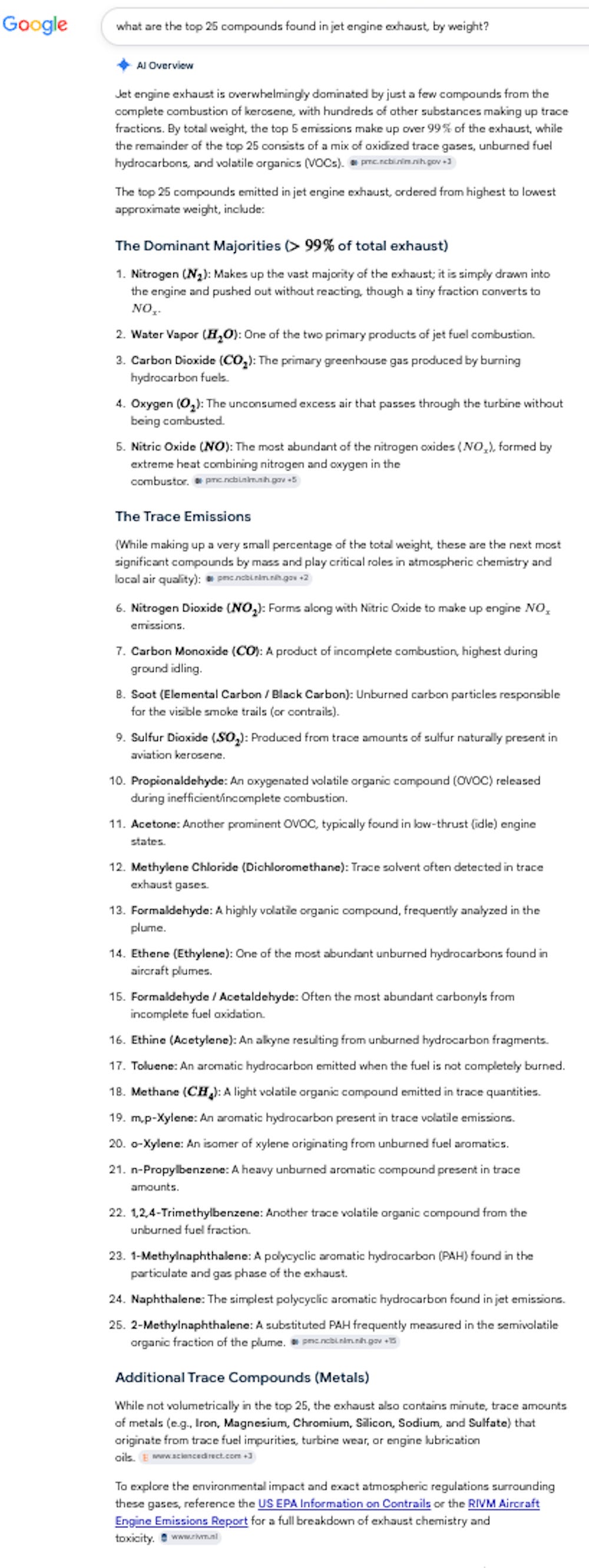
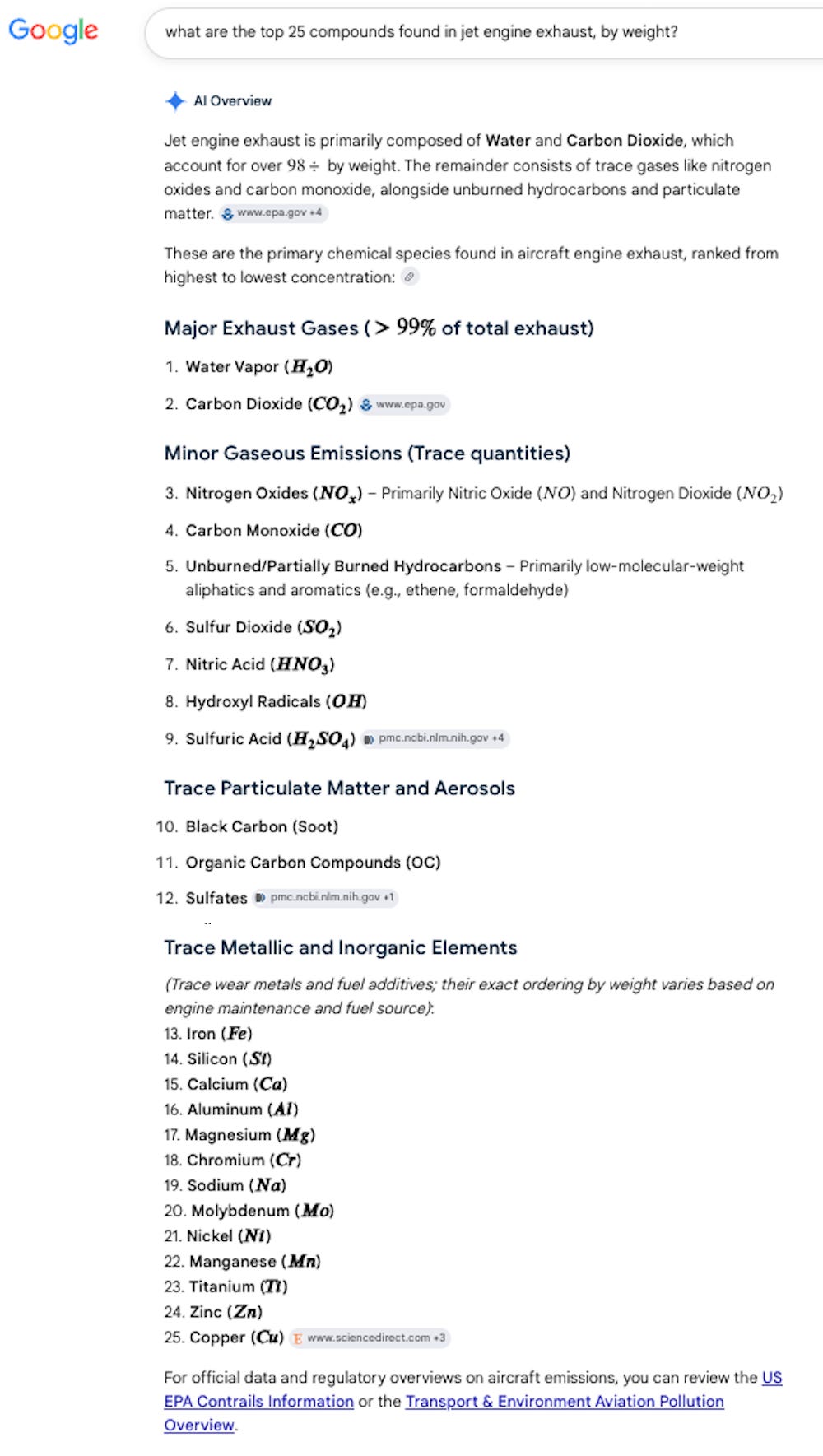
The chemicals listed in this article are chemicals that are found in the exhaust of aircraft that use jet fuels, light aircraft that use leaded AvGas, and rockets that use a wide variety of fuels.

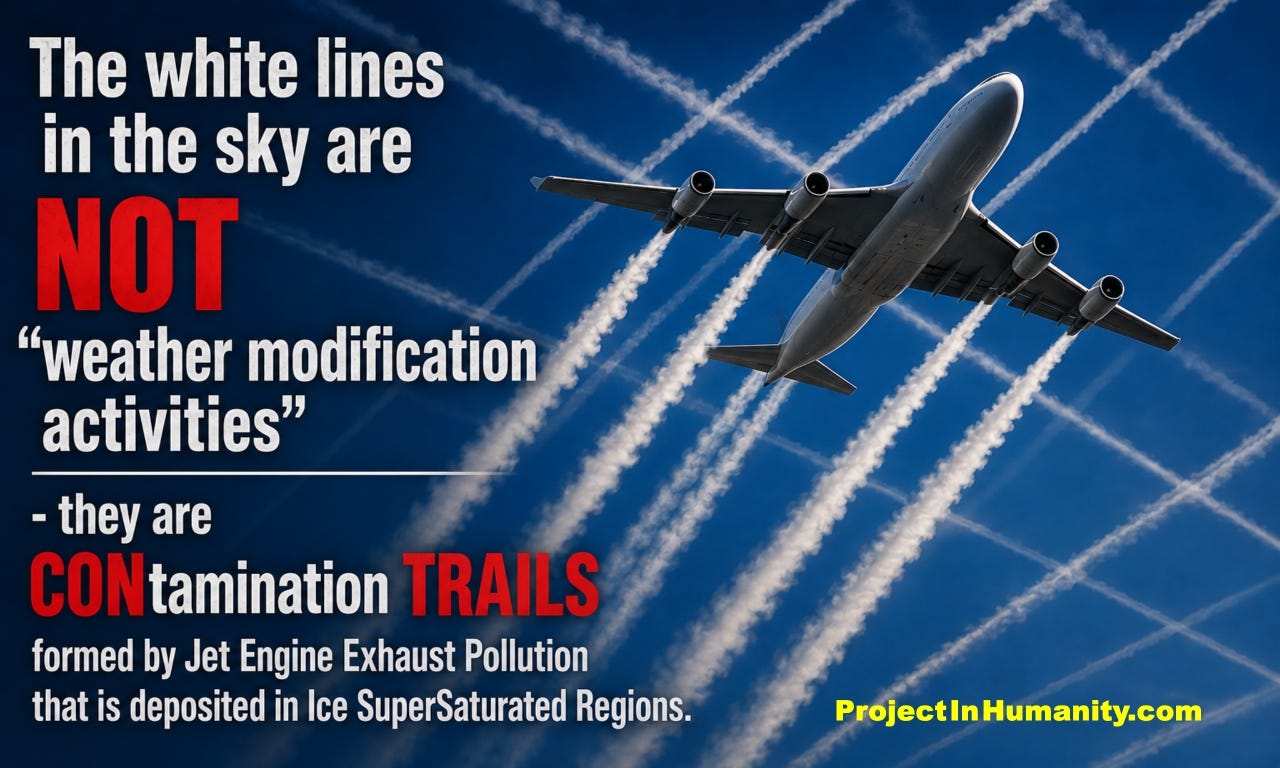
Jet Engine Exhaust Pollution Trails

What happens when super-heated boiling water in a pressurized pot (jet engine) is heated to 900-1500°F, mixed with several hundred quintillion onion-shaped graphene-like carbon based micro-particles nucleated by the various elements found in jet fuel, jet fuel additives and worn engine parts such as aluminum, barium, calcium, chromium, copper, iron, lead, magnesium, manganese, nickel, niobium, potassium, scandium, selenium, strontium, sulphur, tin, titanium, vanadium and zirconium, and then the contents of the pot are deposited into an ice-supersaturated region in the upper troposphere?
COMMERCIAL AVIATION (Jet Fuel)
Globally, on an average day, there are over 100,000 commercial flights.
https://www.oag.com/airline-frequency-and-capacity-statistics
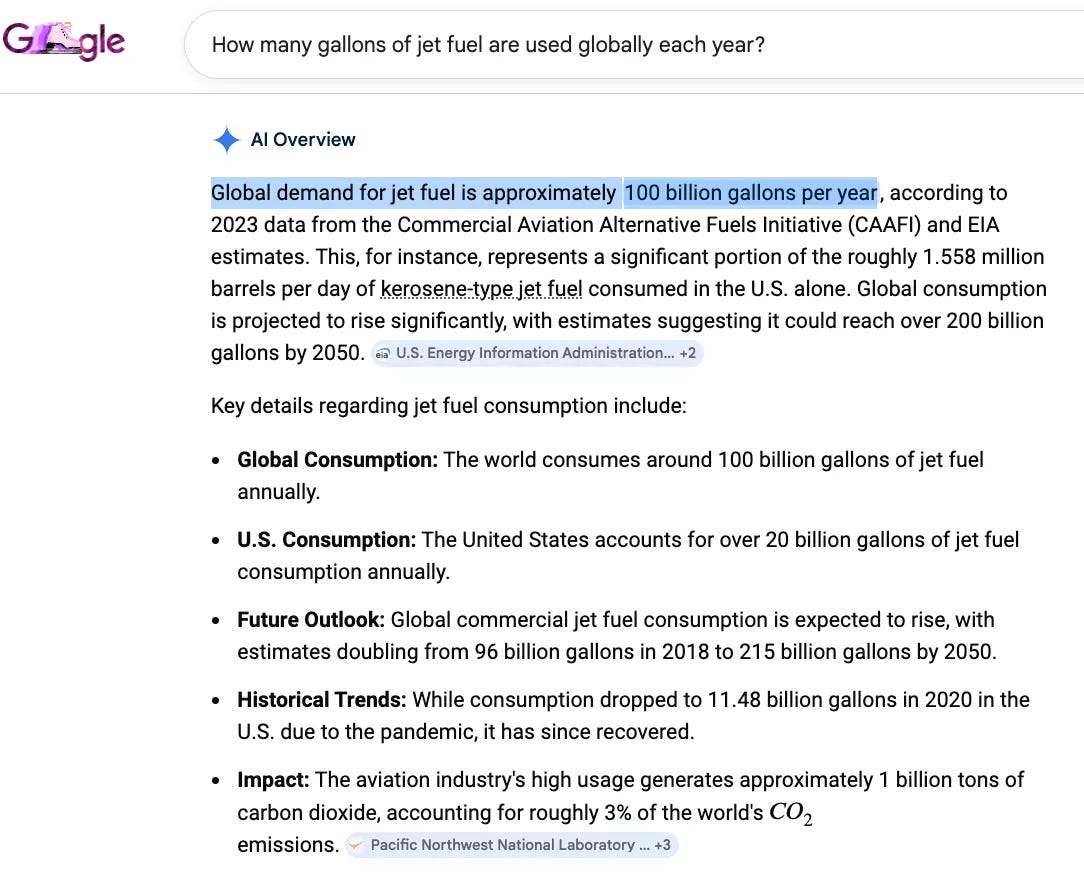
Approximately 100 billion gallons of jet fuel are consumed each year. Approximately 5% of the miles flown are through ice supersaturated regions.
Every day, everywhere, every plane, every helicopter and every jet (commercial, private and military) is spewing a trail of chemicals across your clear blue sky, but by law, it is invisible.
It must be acknowledged that the exhaust from jet fuel is being deposited in the atmosphere whether or not any covert geoengineering and/or weather modification programs are occurring.


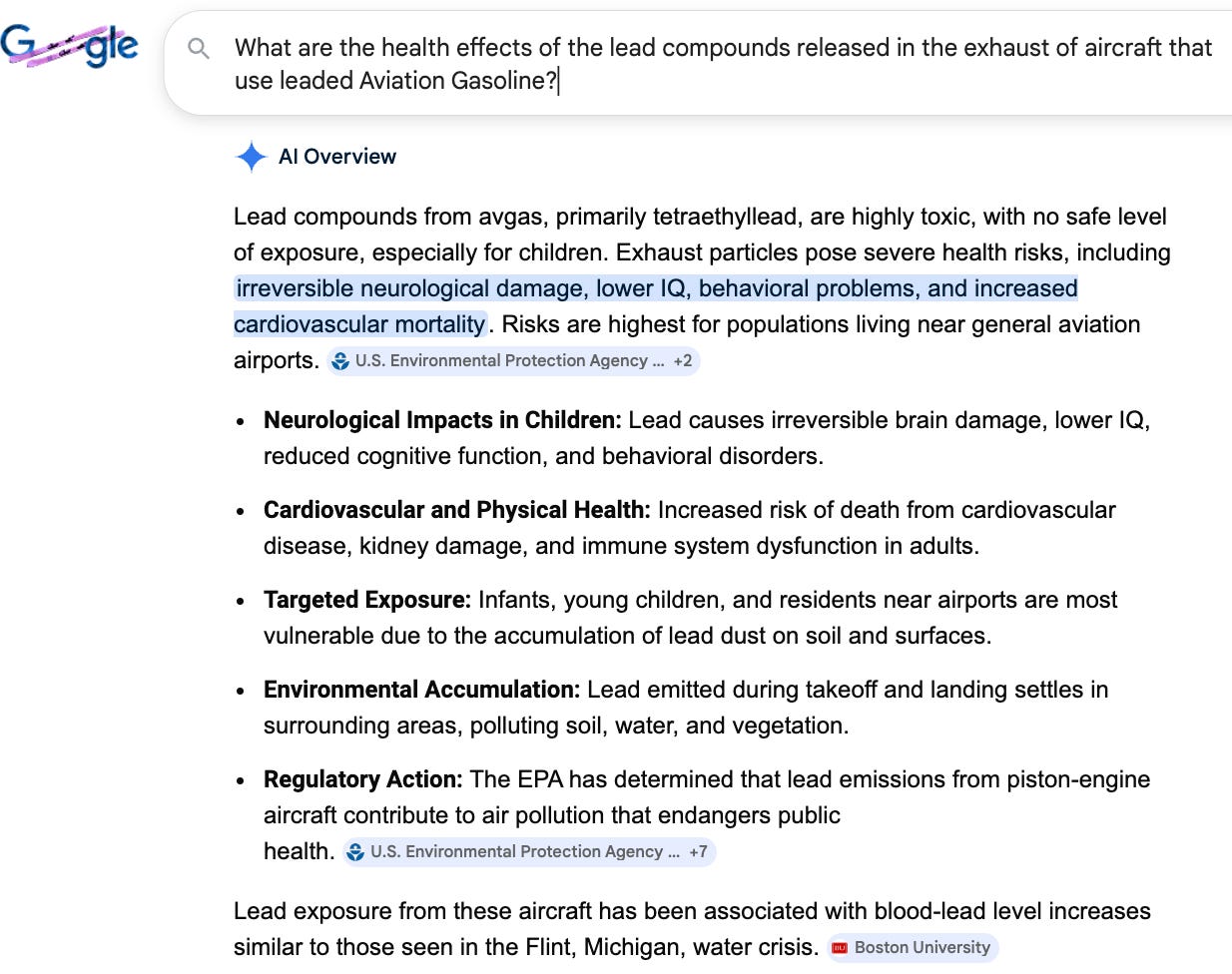
LIGHT AIRCRAFT (Leaded AvGas)

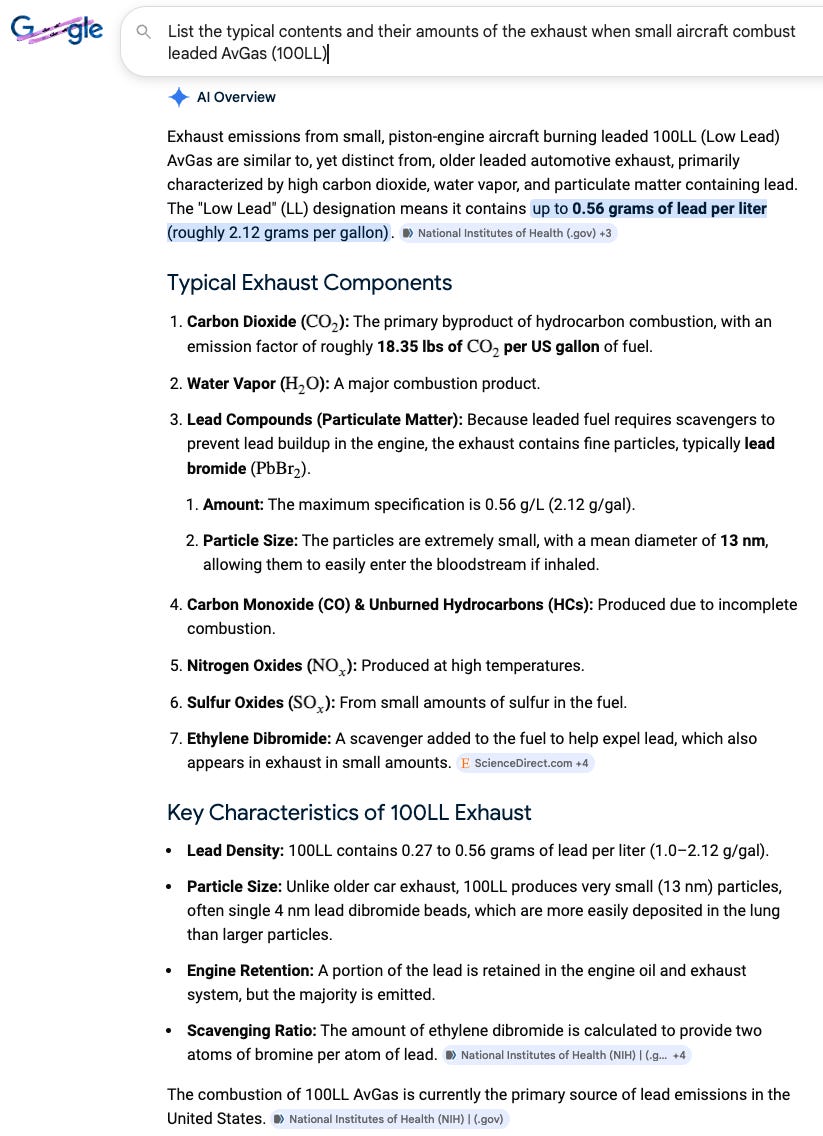
Approximately 200 million gallons of leaded Aviation Gas are combusted and deposited into the atmosphere globally every year.

CLICK HERE to read an important article about leaded Aviation Gas

ROCKETS (Aluminum and/or Kerosene)
The rocket industry is enormous
https://ensun.io/search/rocket-manufacturing

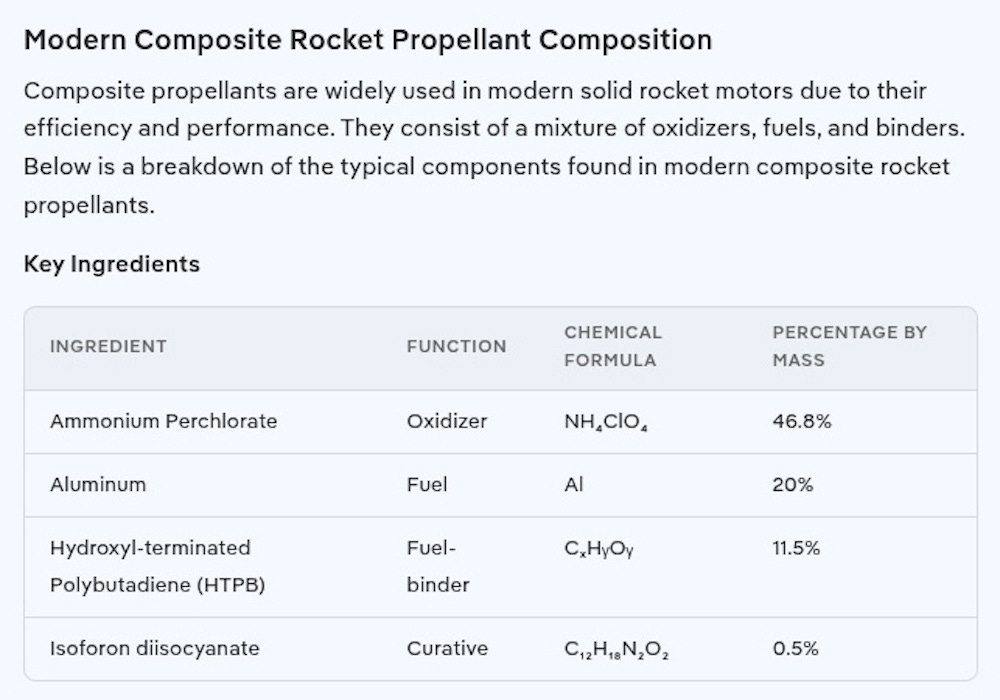
Aluminum Rocket Fuel
As evidenced below, it is extremely difficult to pinpoint accurate estimates of the amount of aluminum that international rocketry (public, private and military) have emitted into the atmosphere.
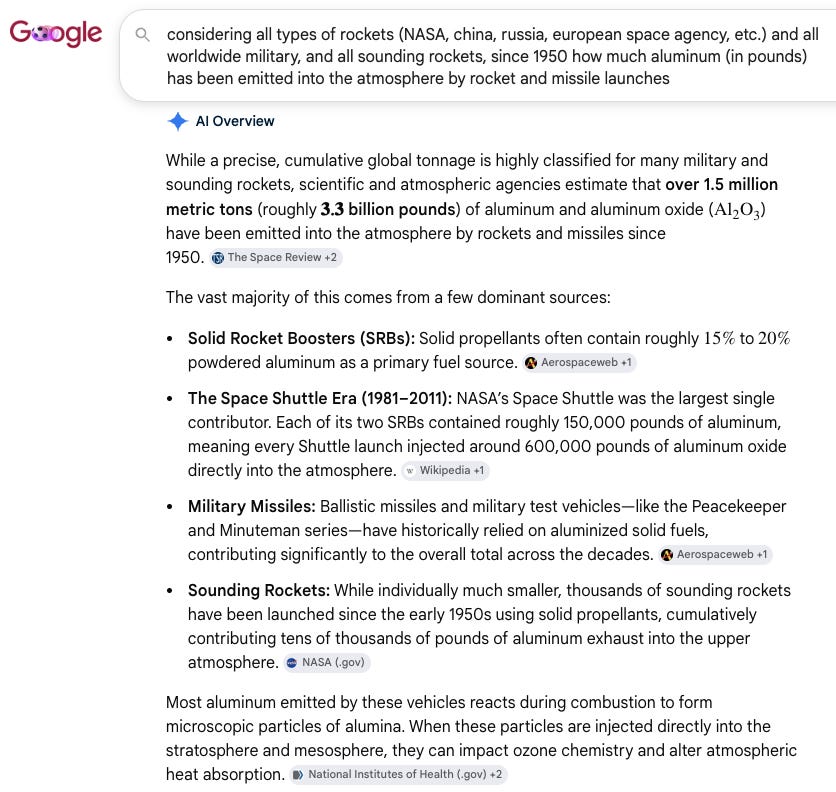
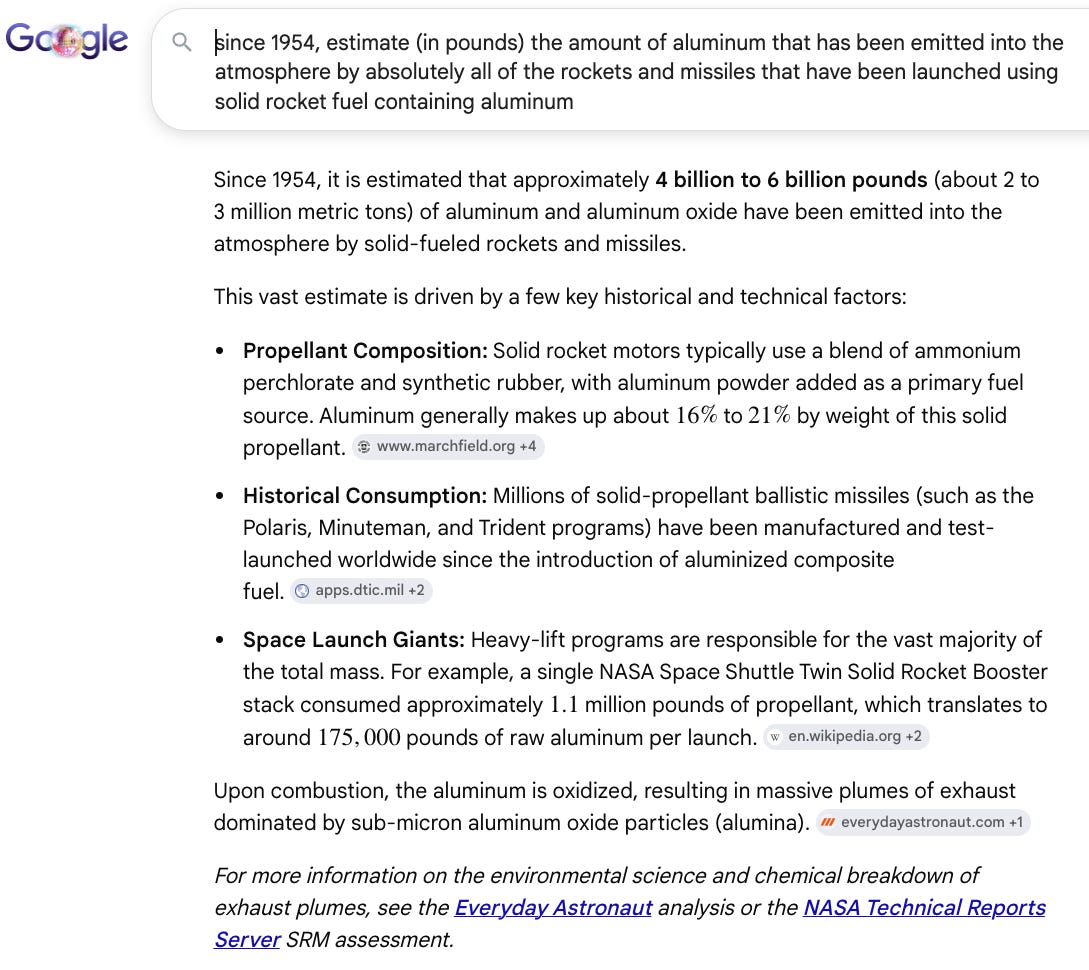
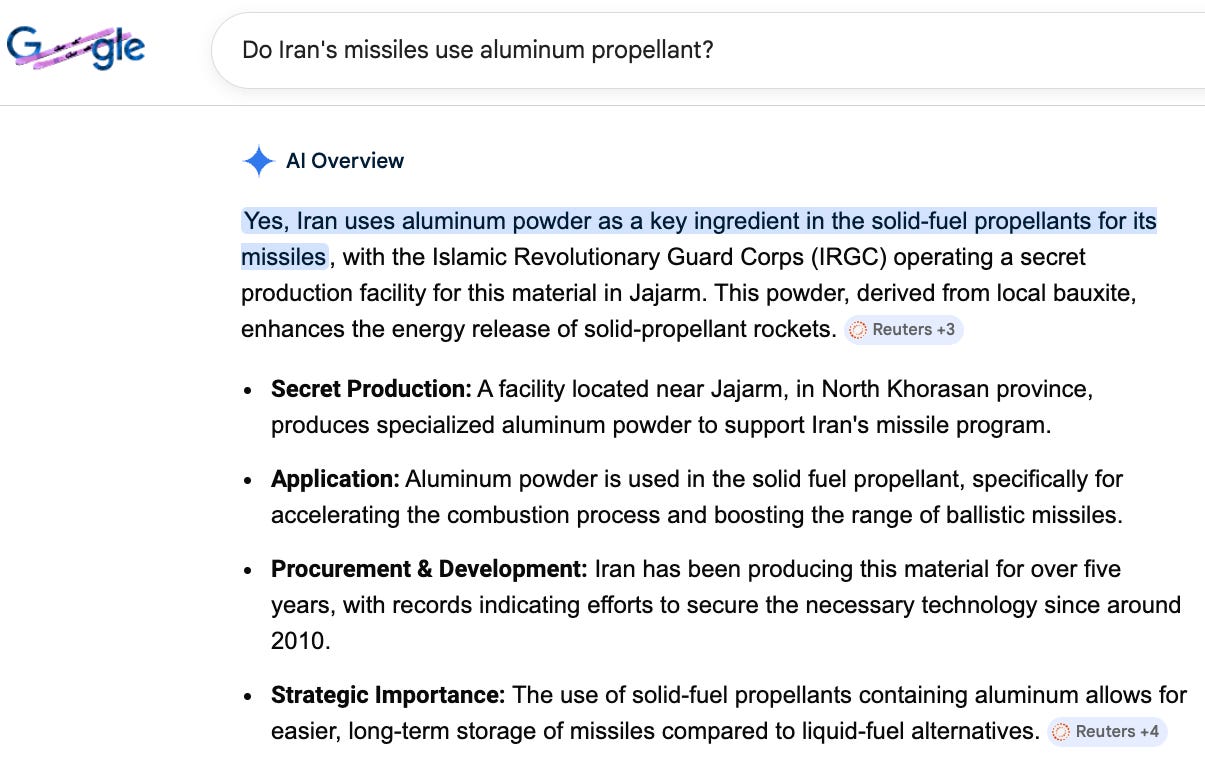
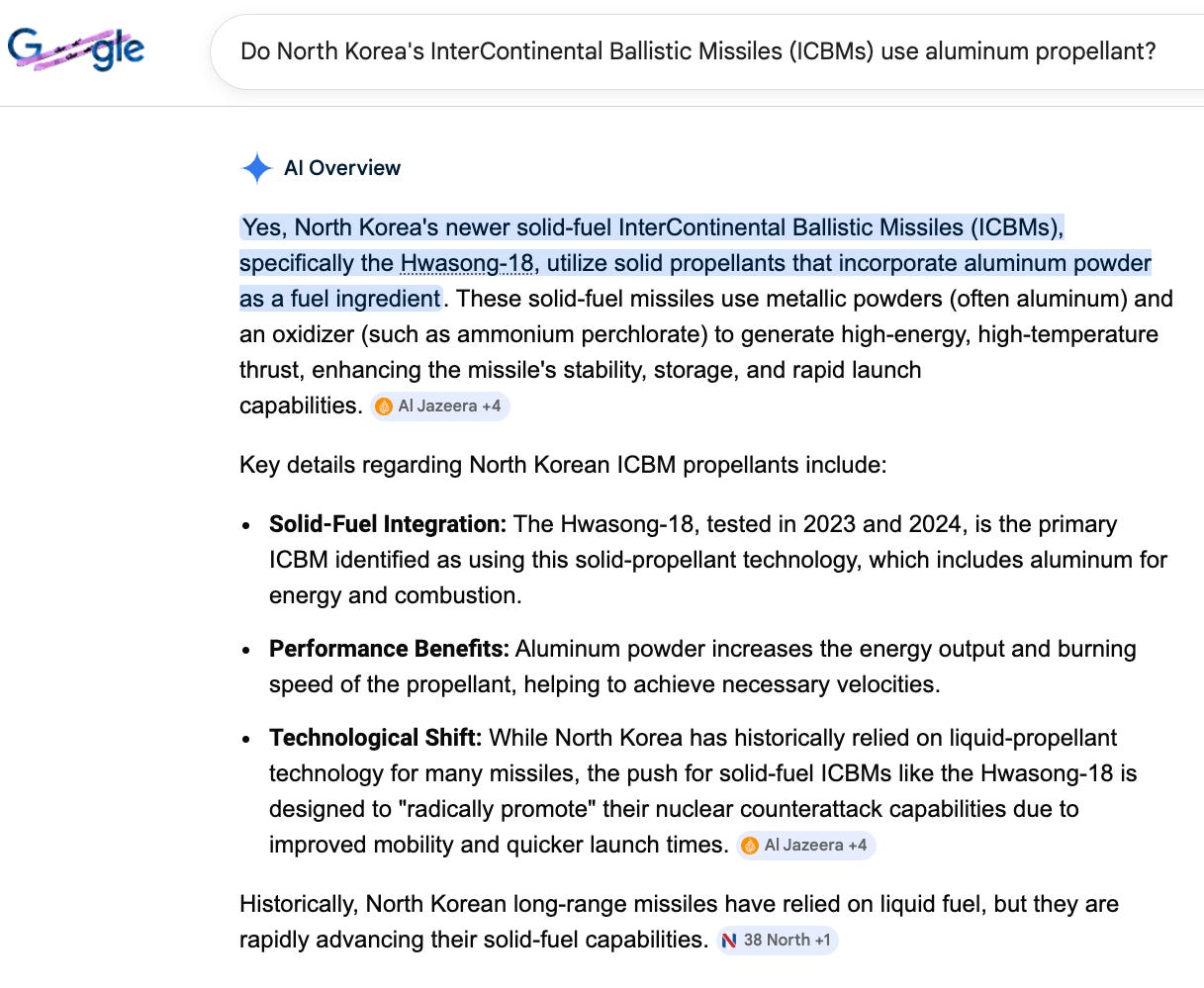
The vast majority of people are unaware that solid rocket fuel often utilizes aluminum as a propellant.
Several currently active, high-power rockets and boosters utilize powdered aluminum (typically 14-20% by weight) in their solid rocket propellant to enhance performance and boost combustion temperature. Key examples include NASA’s Space Launch System (SLS) boosters, Ariane 6, Vega, and Atlas V (via GEM-63 boosters).
Space Launch System (SLS): Uses two solid rocket boosters that burn a mixture of ammonium perchlorate, aluminum powder, and a binder.
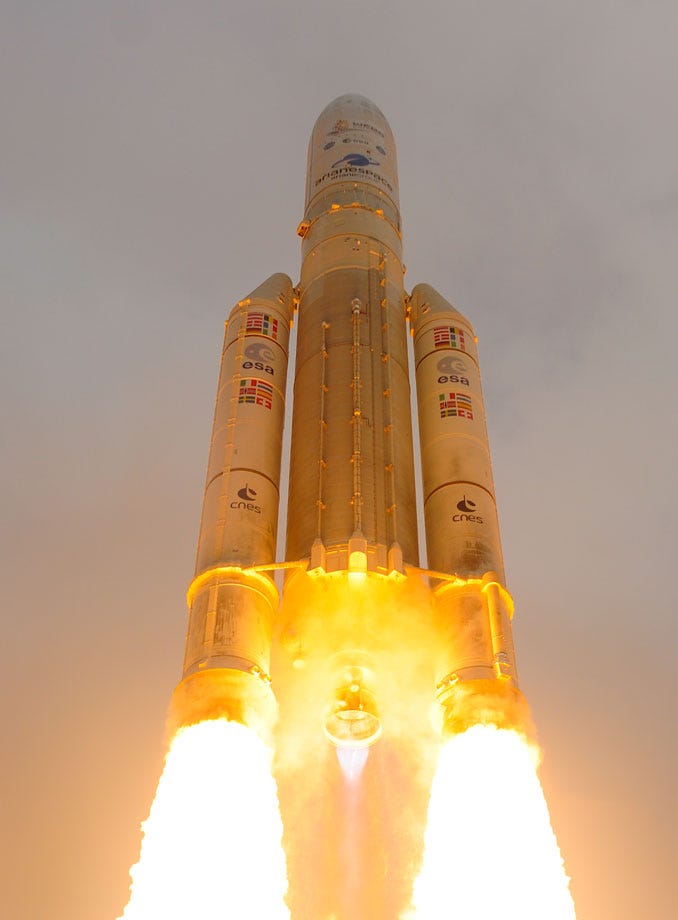
Ariane 6 & Vega: The European Space Agency’s rockets rely on solid boosters using aluminum powder for fuel.
Atlas V & Vulcan Centaur: Utilize Northrop Grumman’s GEM 63 and GEM 63XL solid boosters, respectively.
Military & Launch Vehicles: Many tactical missiles and smaller launch vehicles (e.g., Pegasus) use aluminum-based solid propellants.
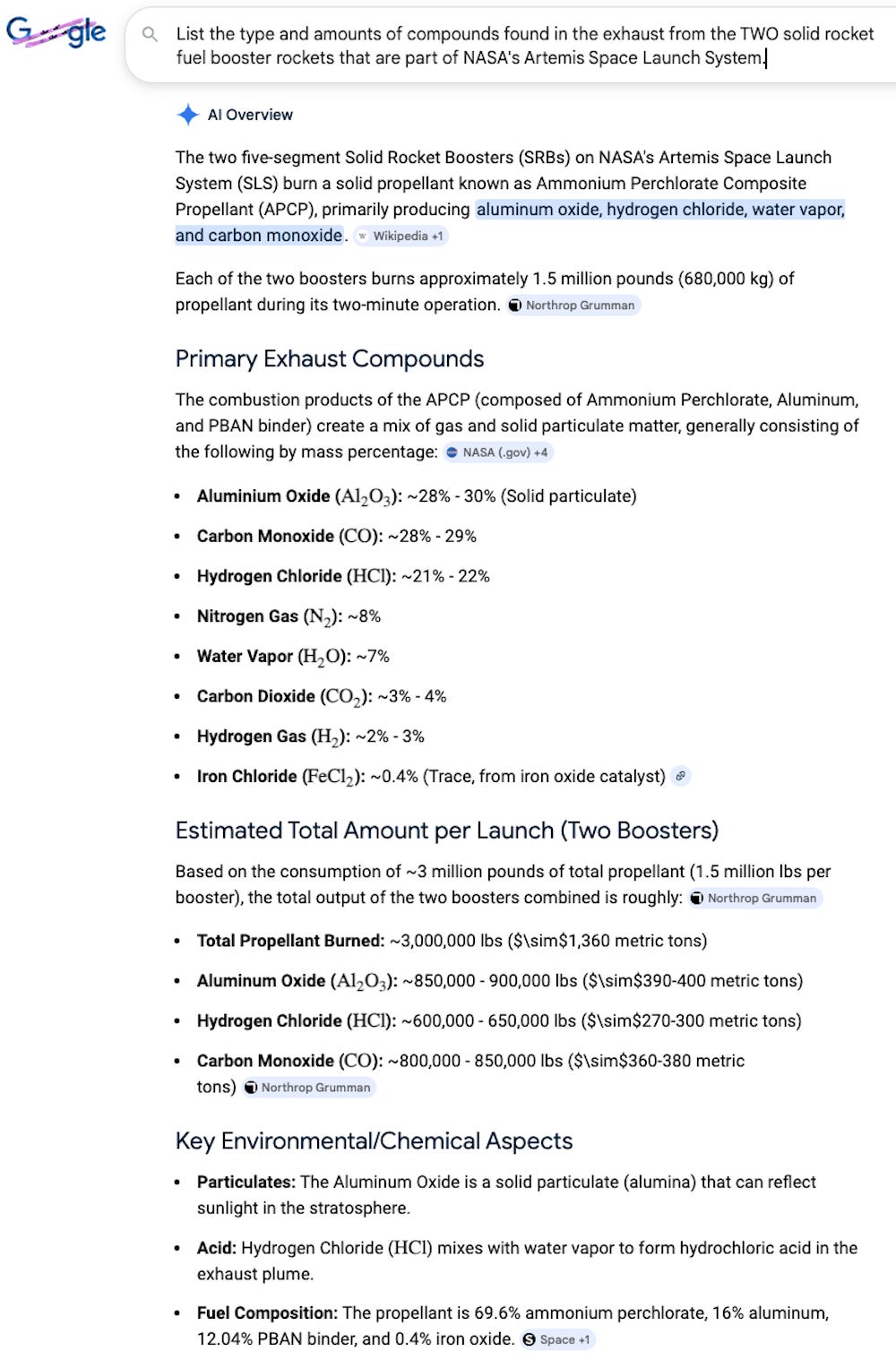
How much aluminum is in the two solid fuel boosters in NASA’s Artemis Space Launch System?
Each of Artemis’s two solid rocket boosters containing roughly 1.1 million pounds to 1.5 million pounds of propellant. The propellant is a mixture of Ammonium Perchlorate (oxidizer), aluminum (fuel), iron oxide (catalyst), and a PBAN copolymer binder. The propellant contains approximately 16% aluminum powder by weight within its solid propellant mixture.
This equates to roughly 176,000 to 240,000 pounds of aluminum powder per booster for a total of 352,000 and 480,000 pounds of aluminum.
The aluminum that will be spewed into the atmosphere by just one launch of the Space Launch System is comparable to the combined weight of every football player in the NFL!

The Space Launch System also utilizes polybutadiene acrylonitrile (PBAN) copolymer, a compound used most frequently as a rocket propellant fuel mixed with ammonium perchlorate oxidizer. It was the binder formulation widely used on the 1960s–1970s big boosters (e.g., Titan III and Space Shuttle SRBs). It is also notably used in NASA’s Space Launch System, likely reusing the design from its Space Shuttle counterpart. PBAN is normally cured with the addition of an epoxy resin.
The Solid Rocket Boosters for the Space Launch System emit a combination of
Aluminum oxide Al2O3
Hydrogen chloride HCl
Water vapor H2O
Carbon dioxide CO2
Nitrogen oxides NOx
The propellant mixture consists primarily of ammonium perchlorate (oxidizer), aluminum powder (fuel), and a PBAN (polybutadiene acrylonitrile) binder. While the primary emission is Al2O3, the solid-fueled rocket boosters release significant amounts of acidic chlorine-based gases and greenhouse gases into the upper atmosphere.
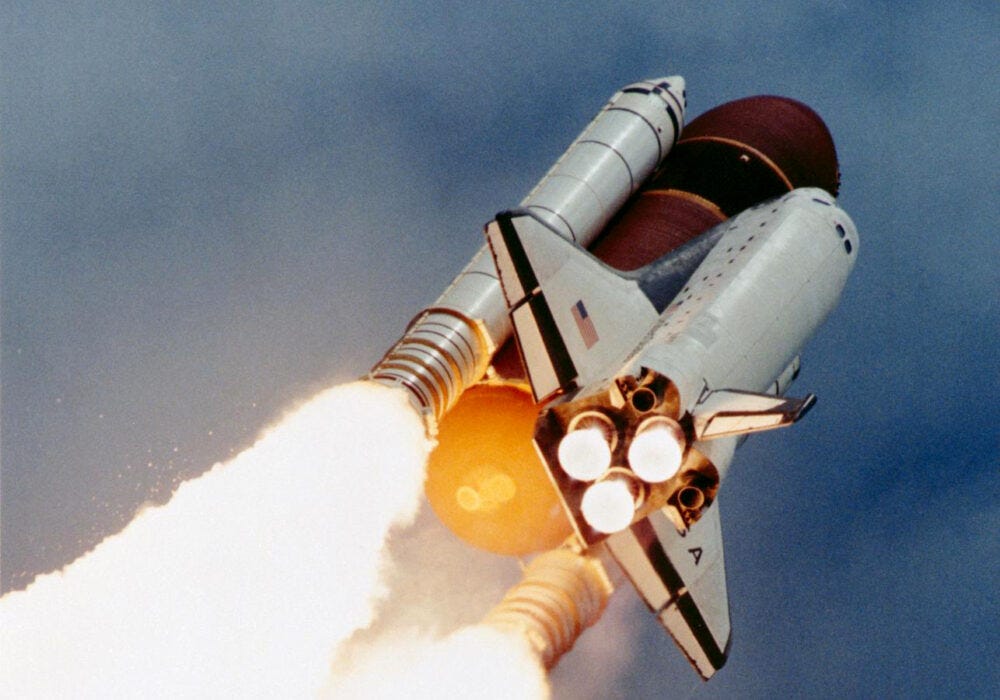

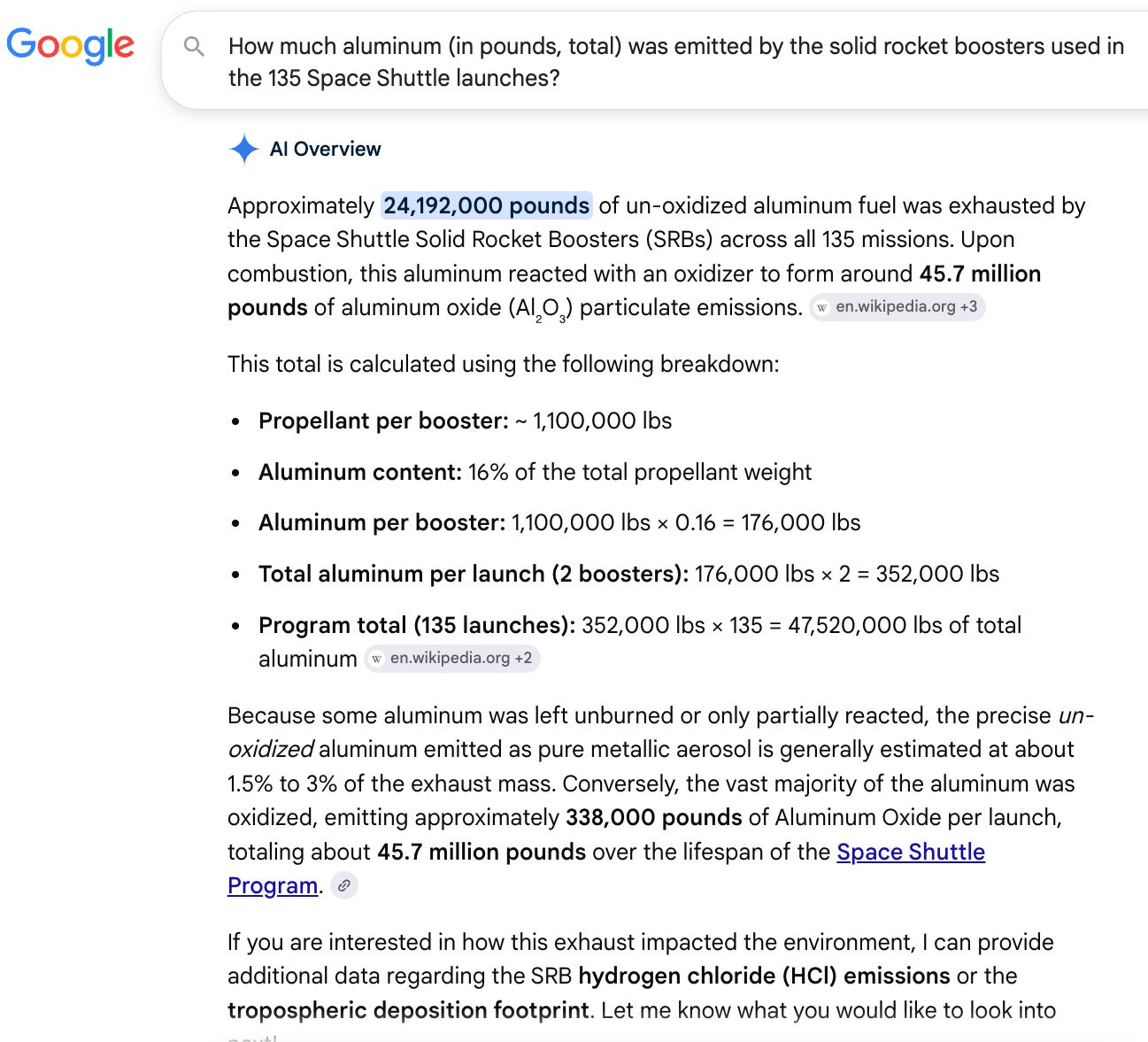
The two solid rocket boosters used by the Space Shuttle utilized propellants based on aluminum.
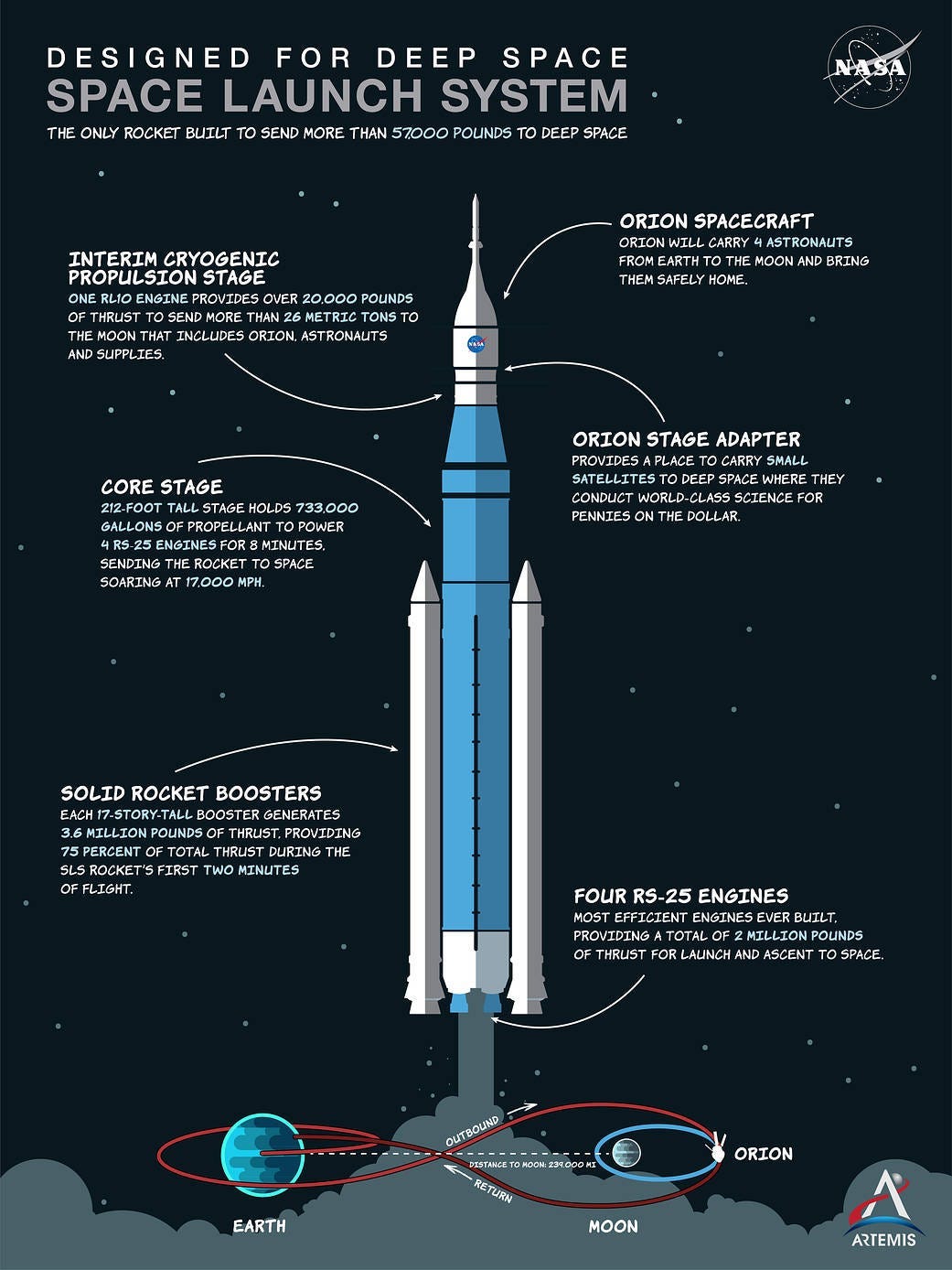
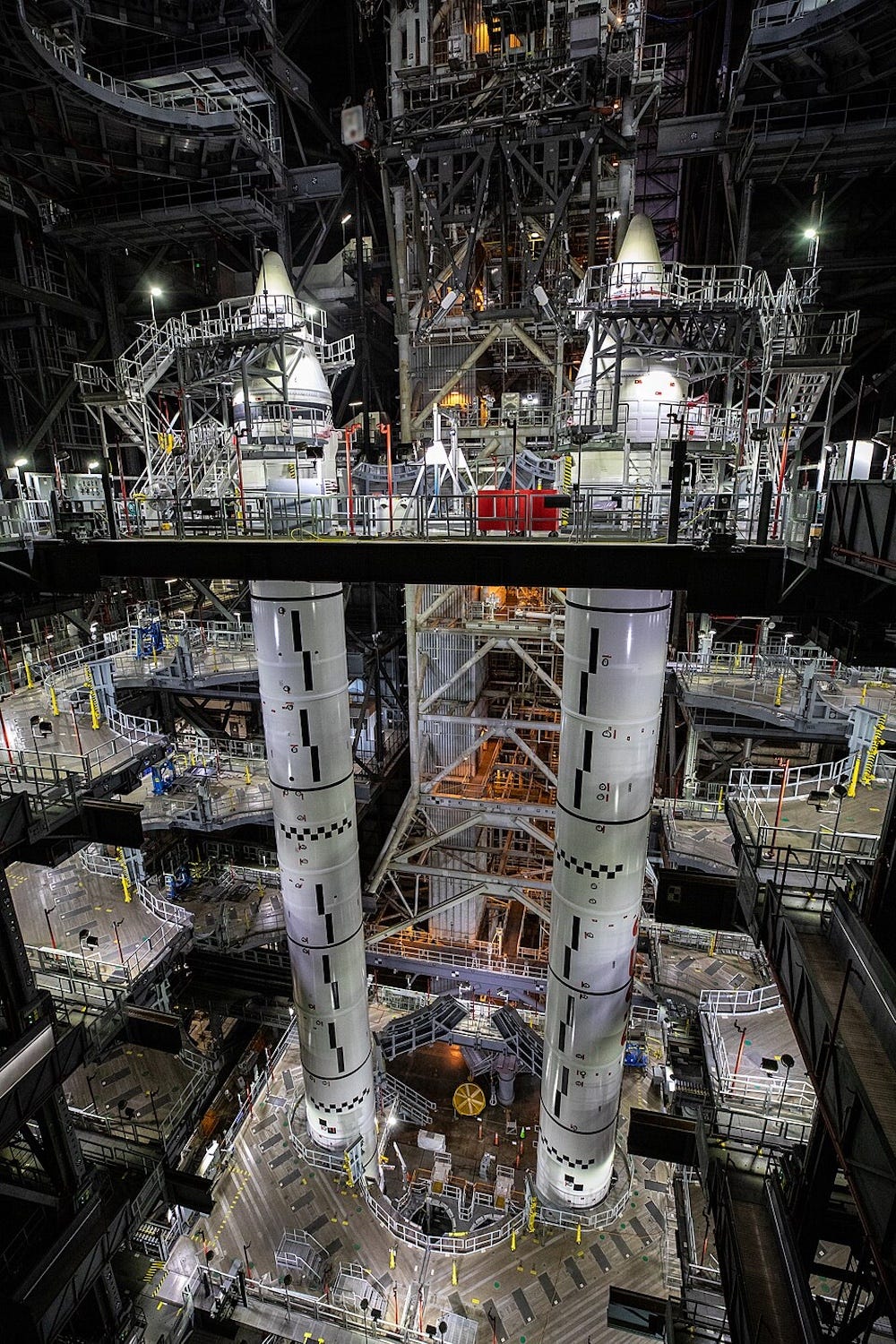
ARTEMIS SOLID FUEL ROCKETS
Ariane (European Space Agency)
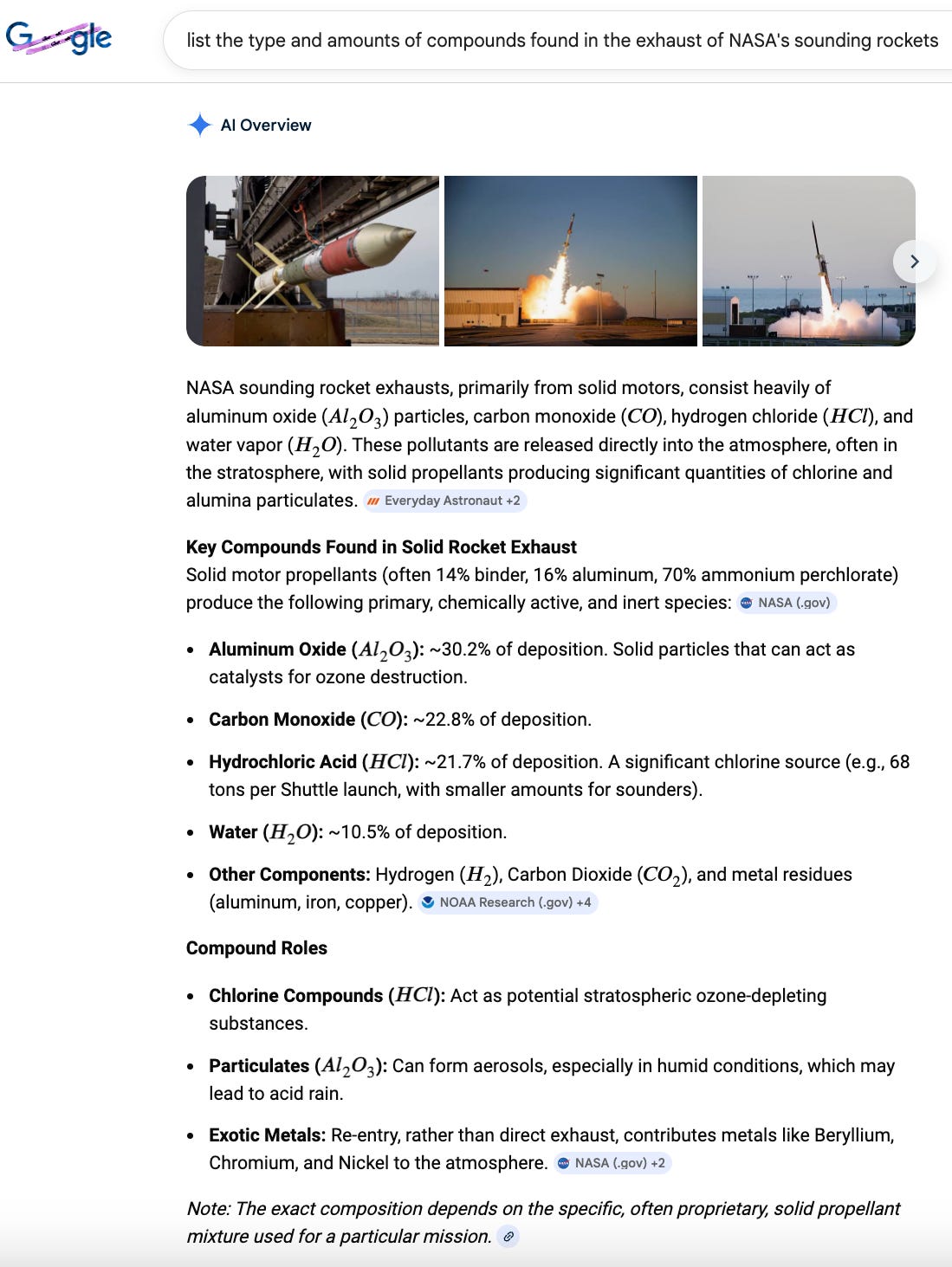
SOUNDING ROCKETS
The term originates from “sondare” or “sond,” referencing the act of surveying or probing for data. Sounding rockets are named after the nautical term “to sound,” which means to measure or take soundings (such as measuring water depth with a weighted line). These suborbital rockets are designed to carry scientific instruments into the upper atmosphere to measure, probe, and sample the environment.
They measure atmospheric properties, test satellite instruments, and study the sun or space, providing data from areas too high for balloons and too low for satellites. They follow a parabolic trajectory (going up and coming down) rather than entering orbit, typically lasting about 15 minutes. Since 1958, NASA has used them for quick, low-cost scientific, and solar research.
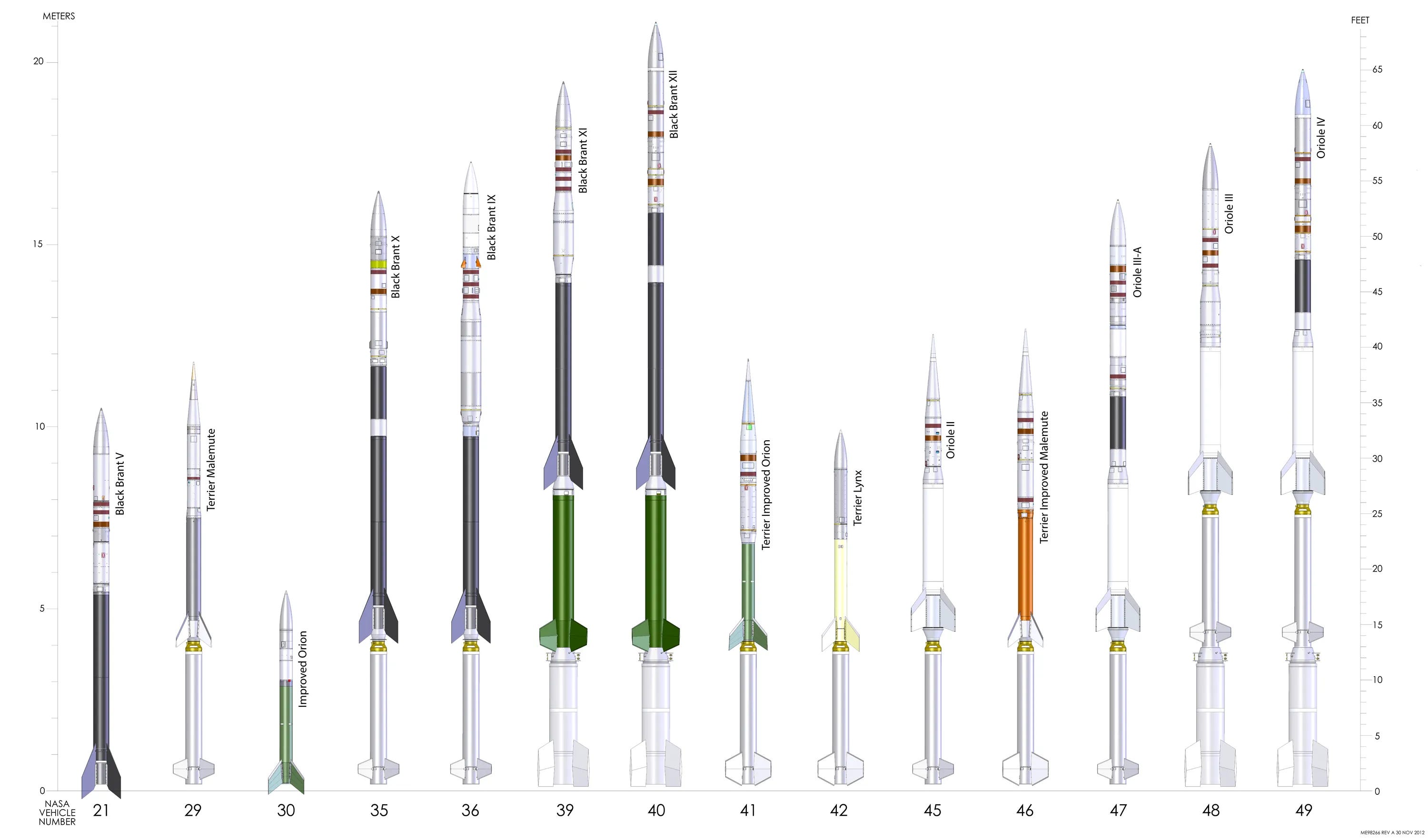
https://www.nasa.gov/soundingrockets/
Sounding rockets can be single or multi-stage vehicles, such as the Orion or Black Brant.
Sounding rockets are suborbital vehicles designed to carry scientific instruments into the upper atmosphere altitude for short-duration studies. They do not reach orbital velocity, following a parabolic trajectory that allows them to collect data for 5–20 minutes before returning to Earth. These rockets provide a cost-effective, quick-turnaround method to study auroras, solar physics, and the atmosphere in regions too low for satellites.
Key Launch Sites: Major activity occurs at Wallops Flight Facility (VA), White Sands Missile Range (NM), Poker Flat (AK), and Andøya Rocket Range (Norway).
Sounding rockets are primarily used for atmospheric, ionospheric, and solar research, as well as astronomy. Sounding rockets are often used for testing instruments before they are deployed on satellites and are essential for researching the Earth’s environment. They are the only platforms that can perform in-situ measurements in the mesosphere and lower thermosphere so they are often launched from various locations worldwide to target specific scientific events.
Auroral Zone Upwelling Rocket Experiment (AZURE)
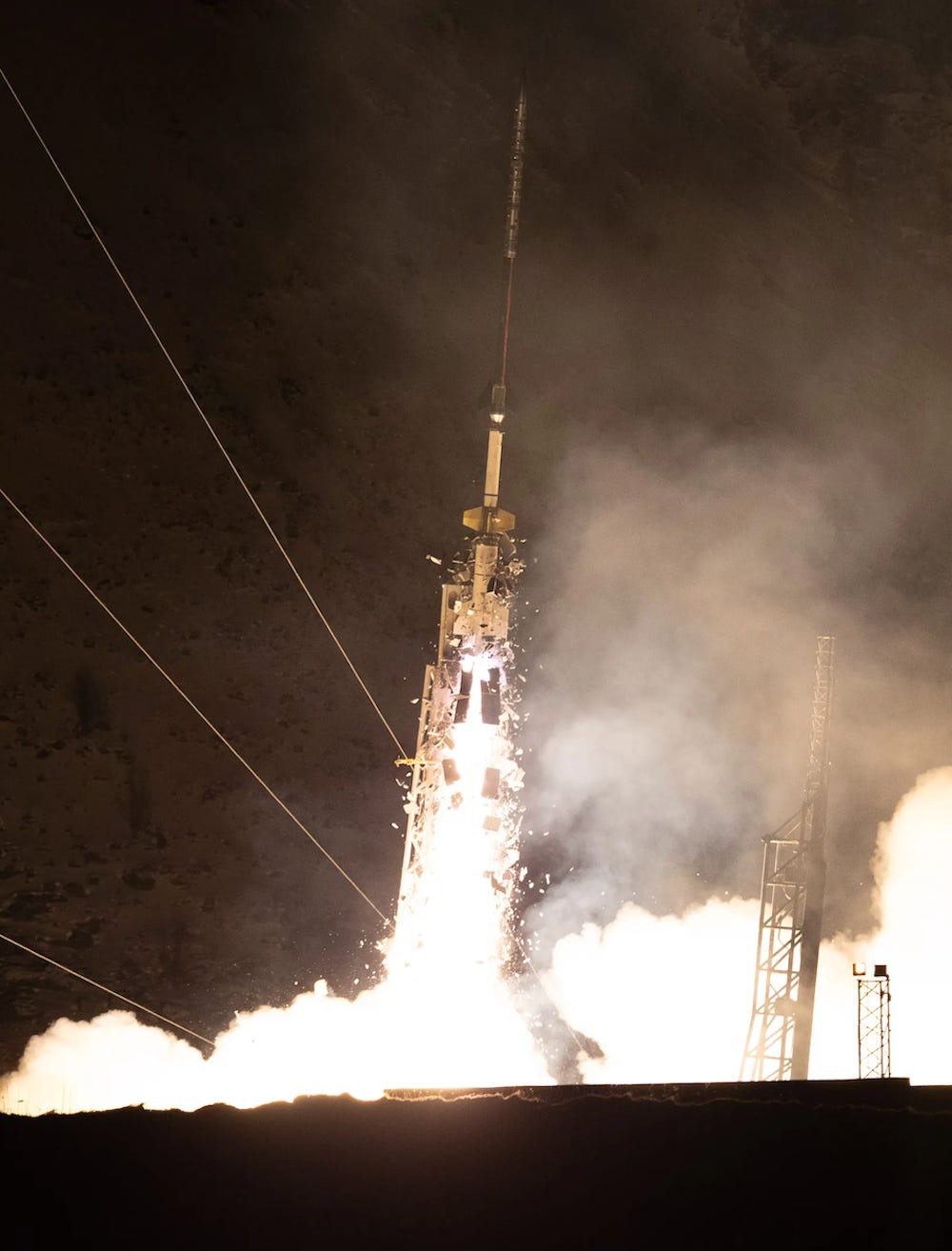
NASA successfully launched the Auroral Zone Upwelling Rocket Experiment or AZURE mission on April 5 from the Andøya Space Center in Norway.
Two Black Brant XI-A sounding rockets were launched at 6:14 and 6:16 p.m. EDT on April 5 carrying scientific instruments for studying the energy exchange within an aurora.
The AZURE mission is designed to make measurements of the atmospheric density and temperature with instruments on the rockets and deploying visible gas tracers, trimethyl aluminum (TMA) and a barium/strontium mixture, which ionizes when exposed to sunlight. The vapors were released over the Norwegian Sea at 71 through 150 miles altitude.
These mixtures, using substances similar to those found in fireworks, created colorful clouds that allow researchers to track the flow of neutral and charged particles with the auroral wind. By tracking the movement of these colorful clouds via ground-based photography and triangulating their moment-by-moment position in three dimensions, AZURE will provide valuable data on the vertical and horizontal flow of particles in two key regions of the ionosphere over a range of different altitudes.
https://www.nasa.gov/solar-system/nasa-launches-two-rockets-studying-auroras/
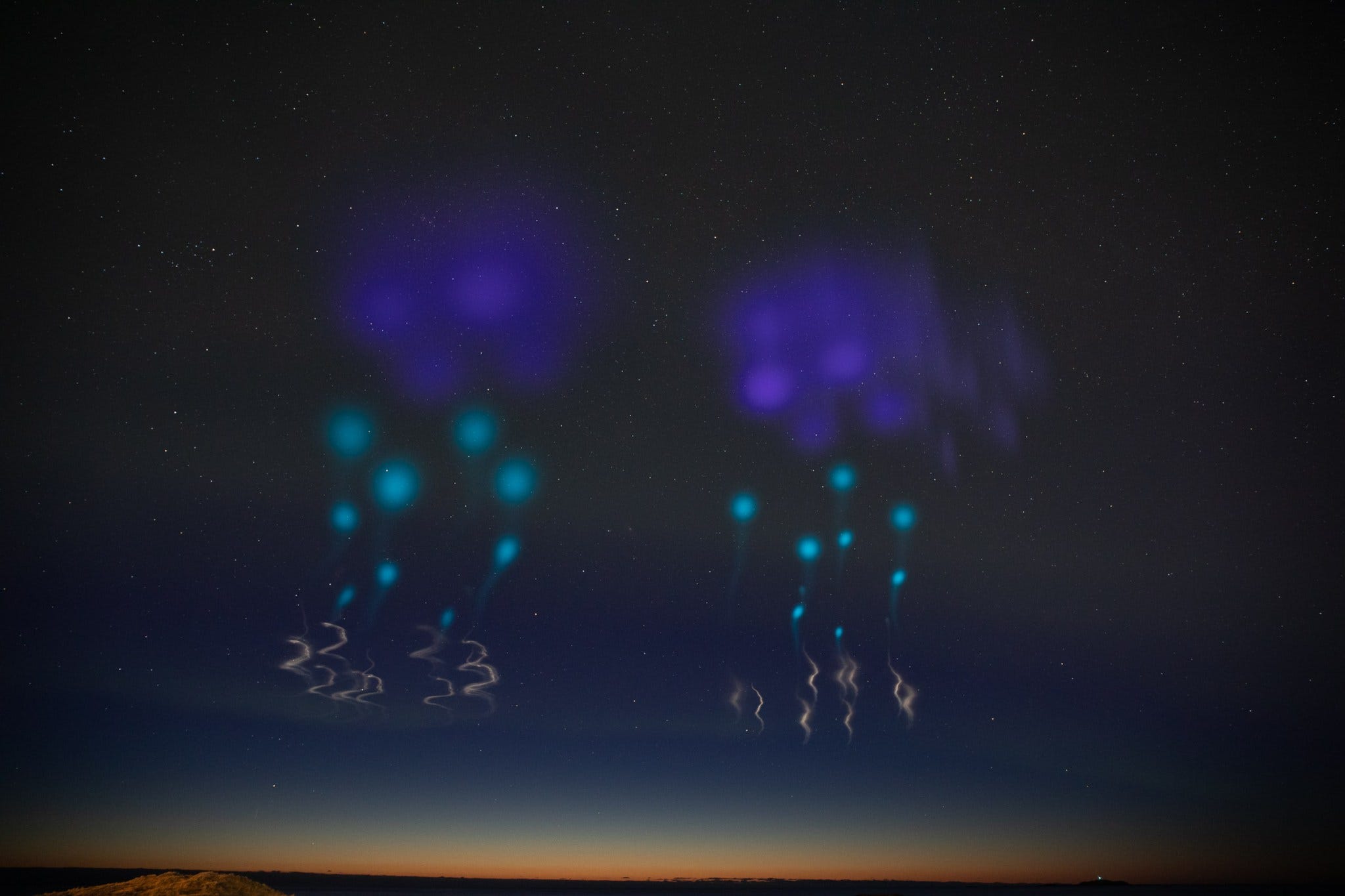
Colorful clouds formed by the release of vapors from the two AZURE rockets allow scientist to measure auroral winds.
Credits: NASA/Lee Wingfield

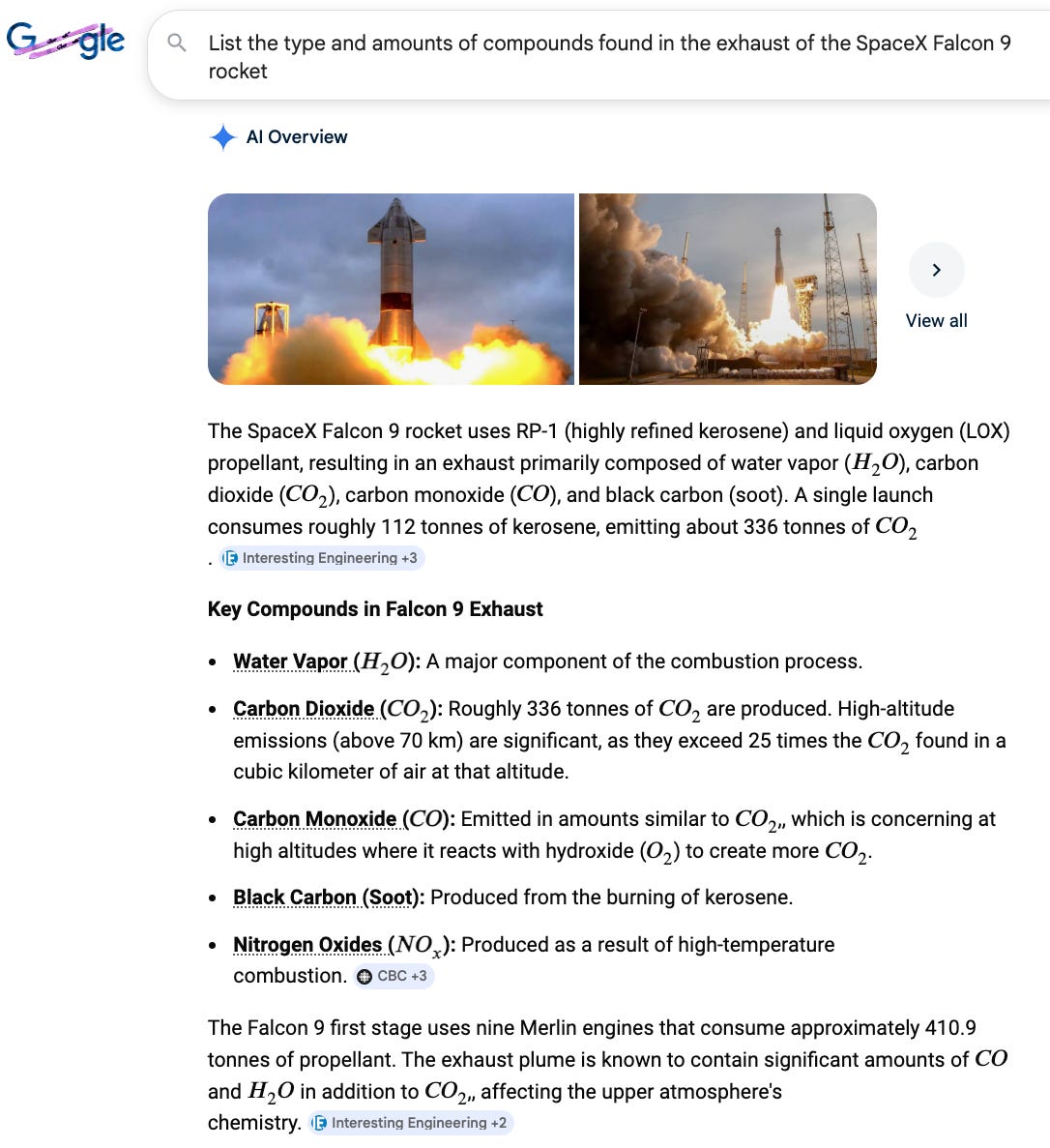
SPACEX FALCON 9
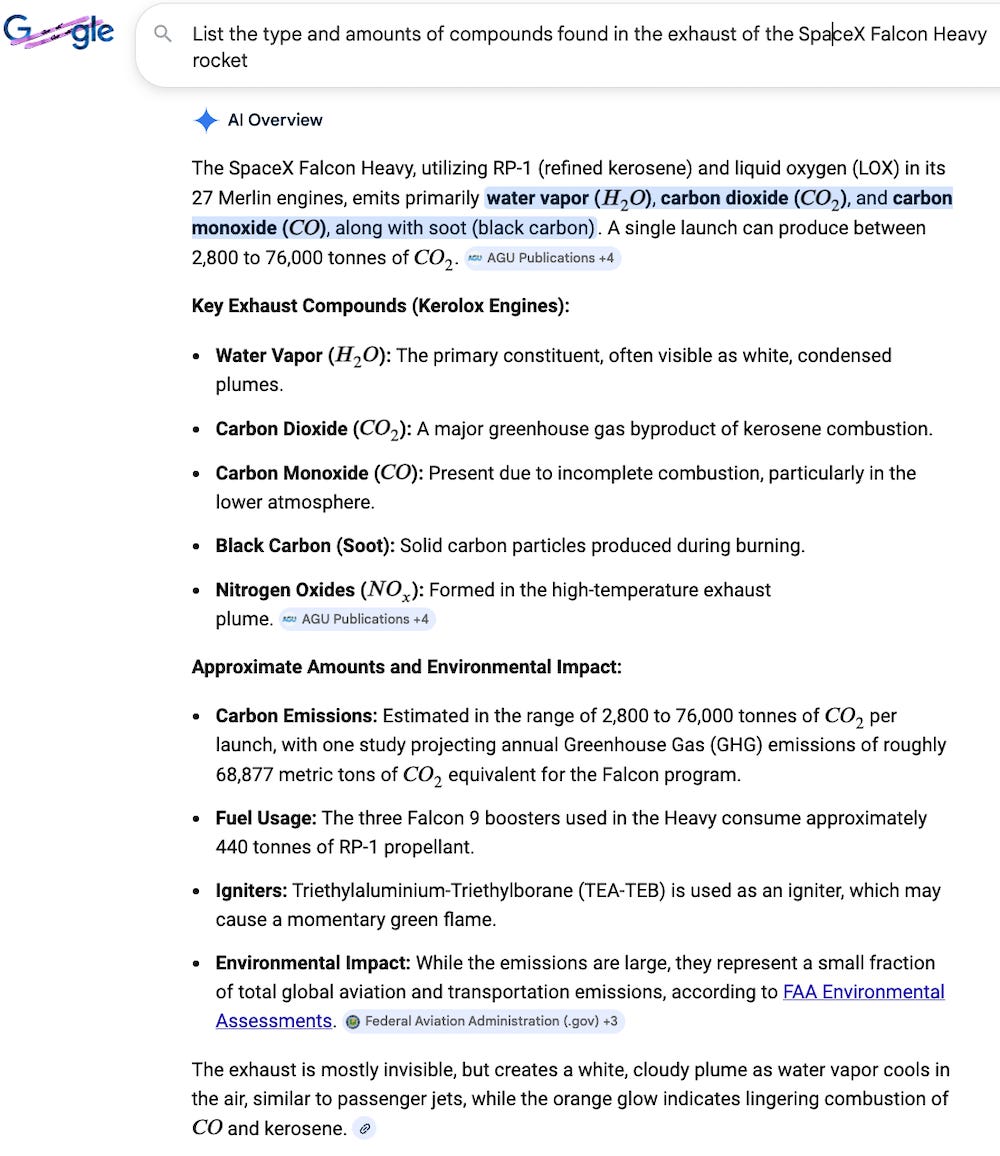
SPACEX FALCON HEAVY

GLOBAL MILITARY

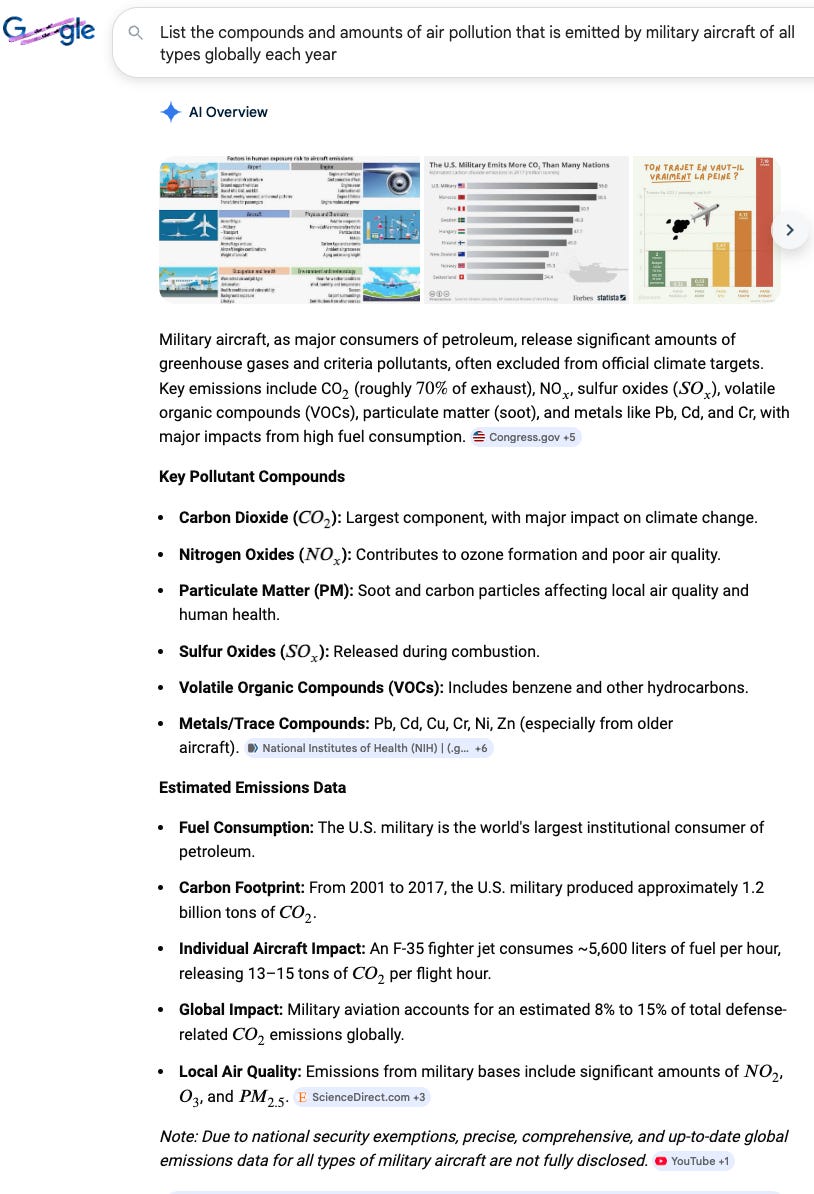
PATRIOT MISSILES
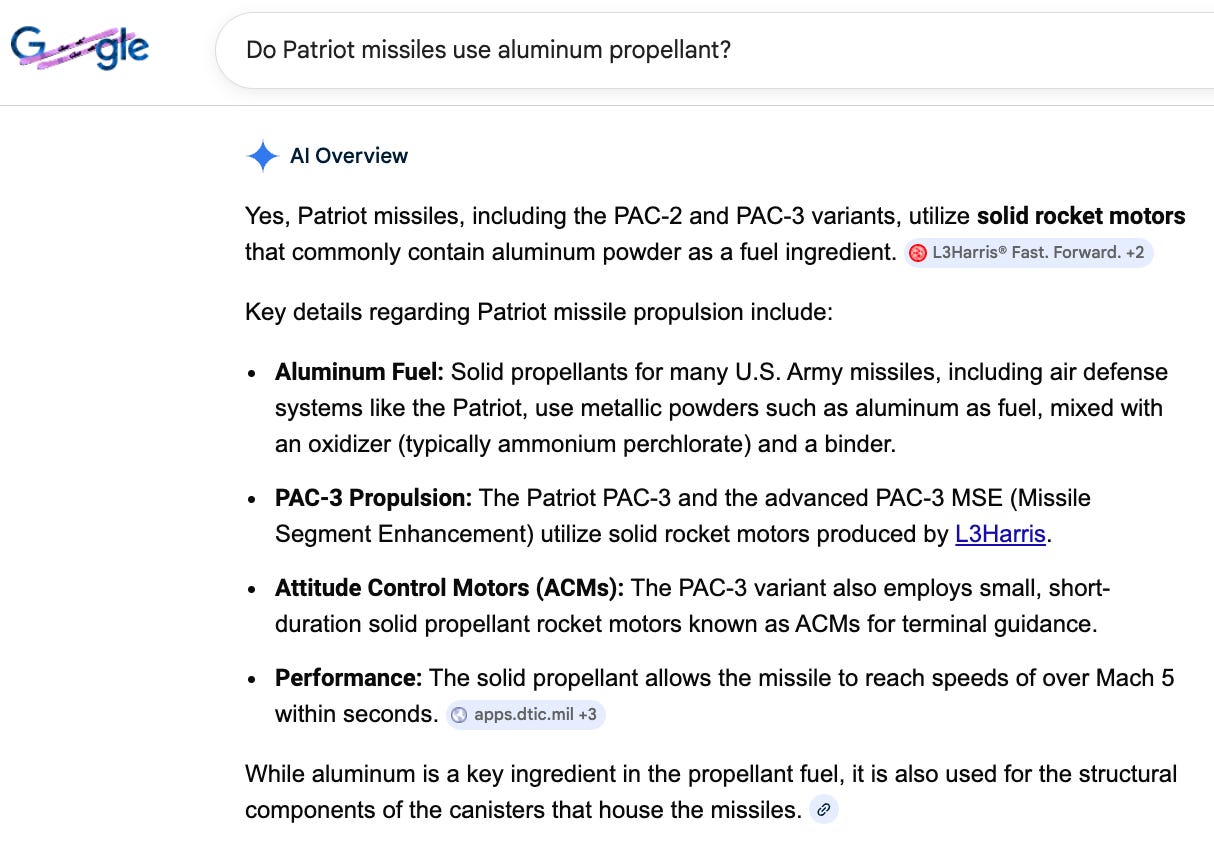
UKRAINE AND RUSSIA
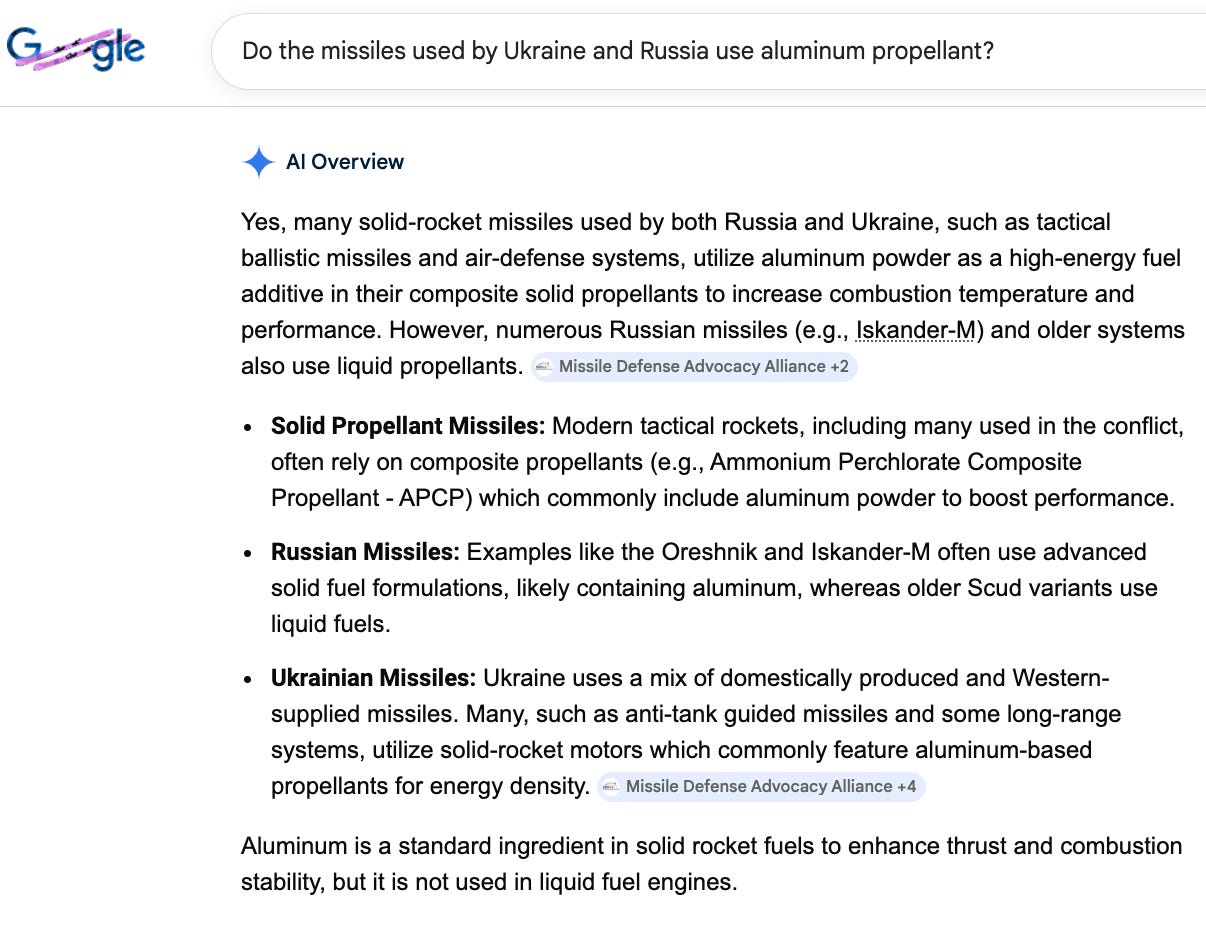
HYPERSONIC MISSILES
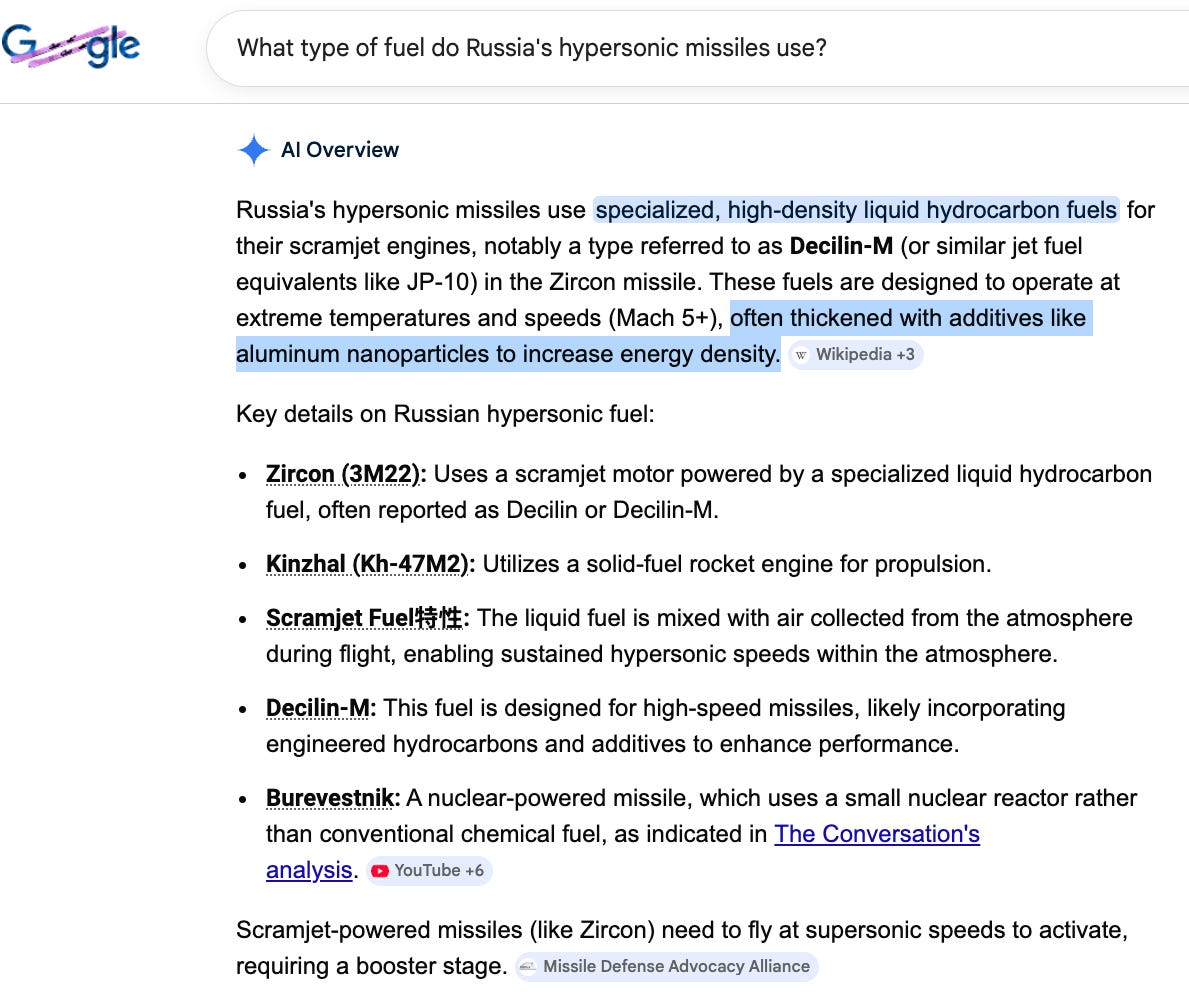
IRAN
NORTH KOREA

Space Pollution
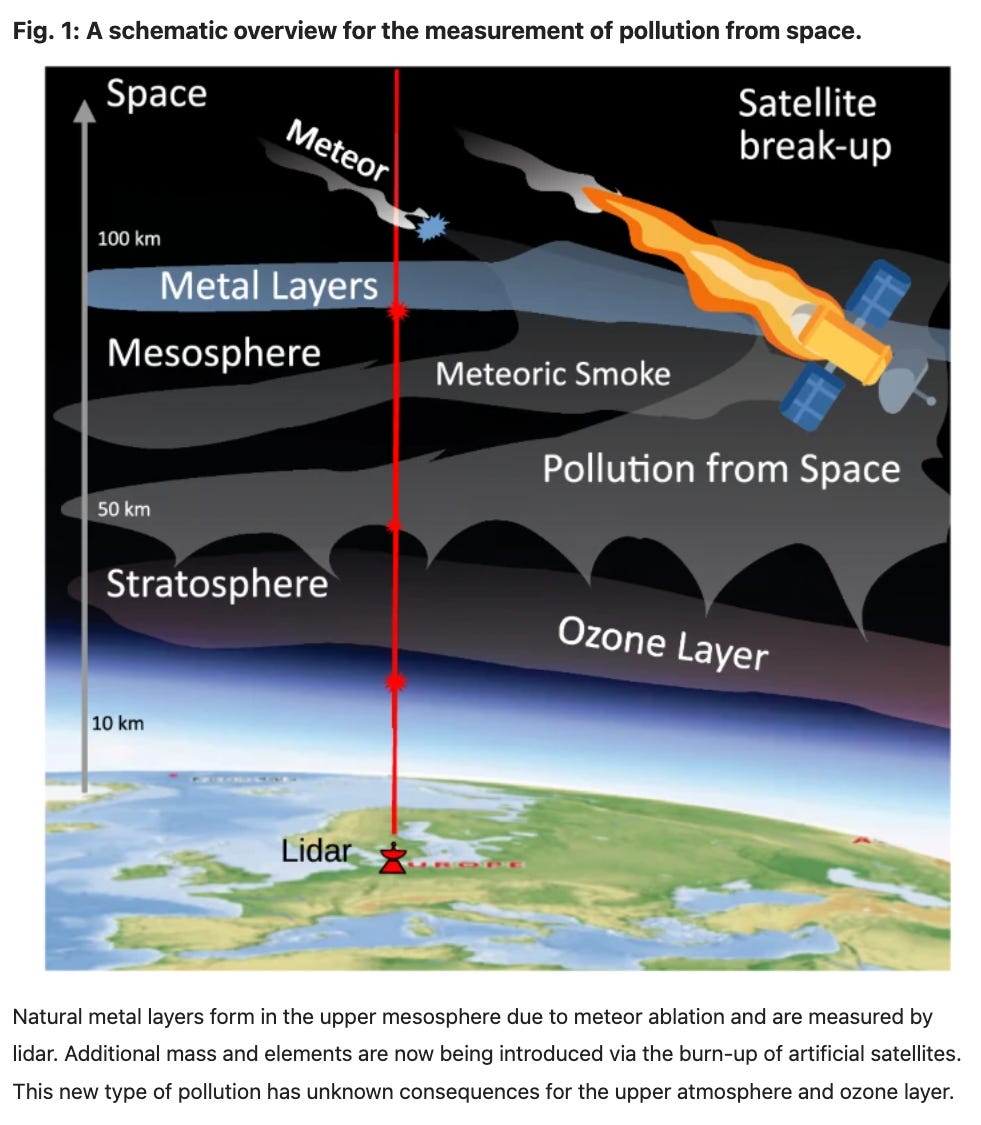
This study presents the first measurement of upper-atmospheric pollution resulting from space debris re-entry and the first observational evidence that the ablation of space debris can be detected by ground-based lidar.
Our findings demonstrate that identifying pollutants and tracing them to their sources is achievable, with significant implications for monitoring and mitigating space emissions in the atmosphere.

1. Micro-particulate Matter:
350 septillion individual pieces of Particulate Matter (PM2.5) which included 27.2 million pounds of onion-shaped, carbon-based, graphene-like particles.

Approximately 350 SEPTILLION pieces of PM2.5 particulate matter are released into the earth’s atmosphere every year.
Aircraft emissions of ultrafine particles characterized by real-world near runway measurements
https://pmc.ncbi.nlm.nih.gov/articles/PMC12176625/
The Weight-Count Paradox: Aircraft emit a disproportionately high number of ultrafine particles (sub-0.1 $\mu m$).
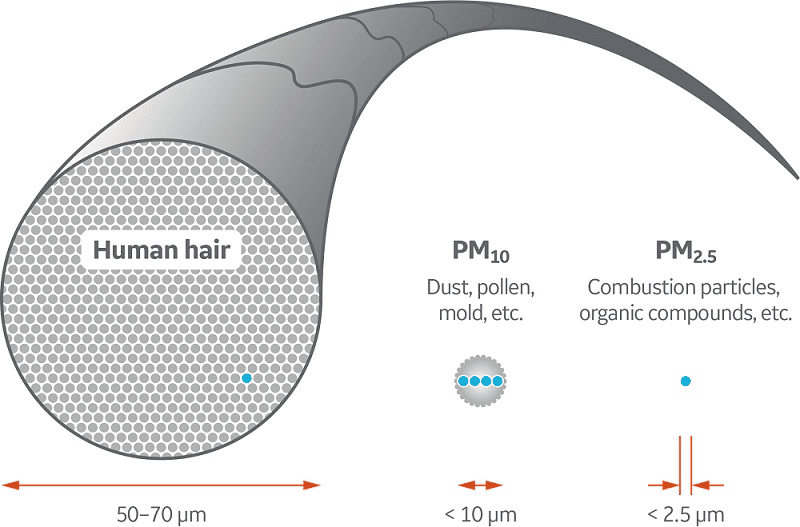
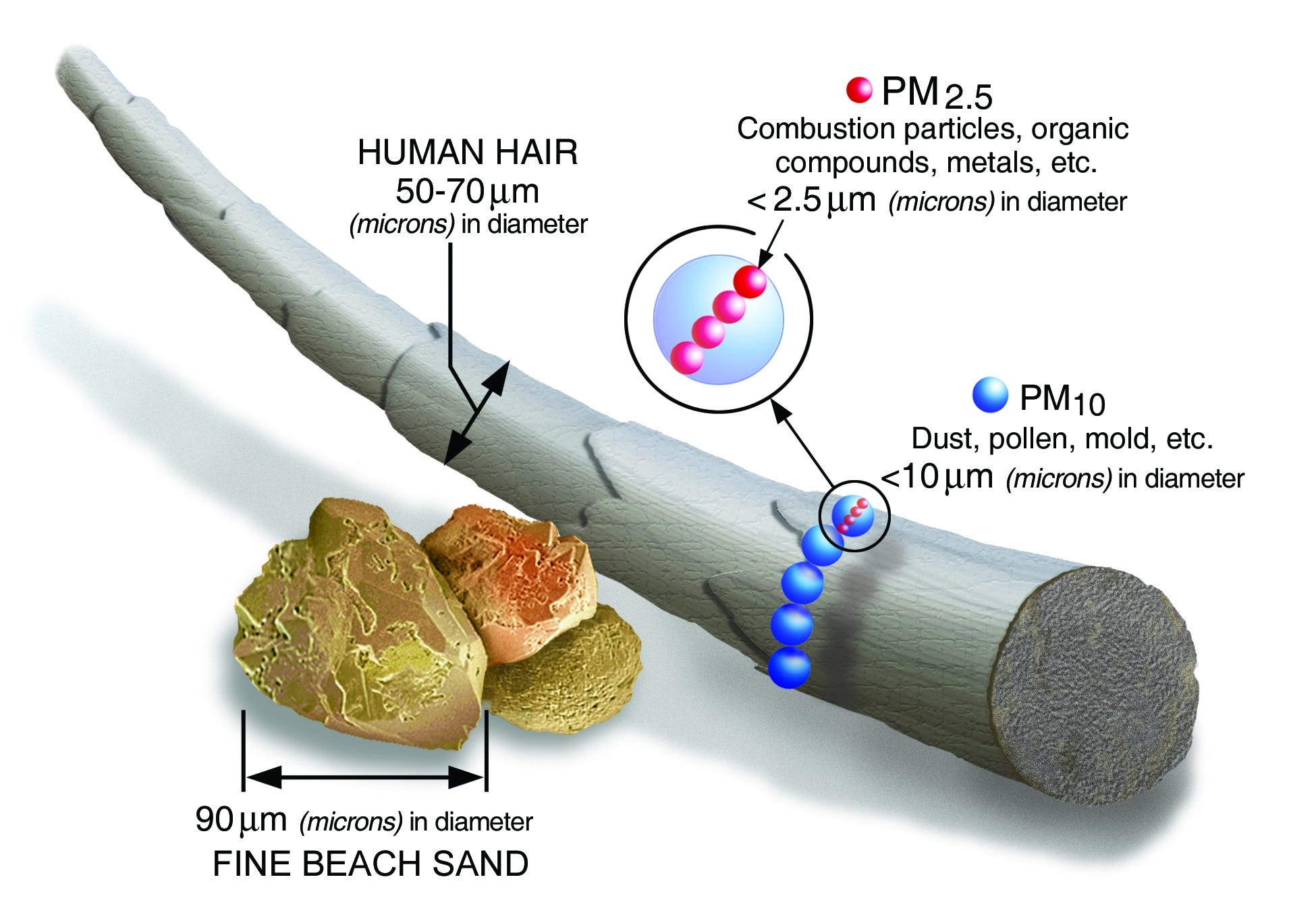
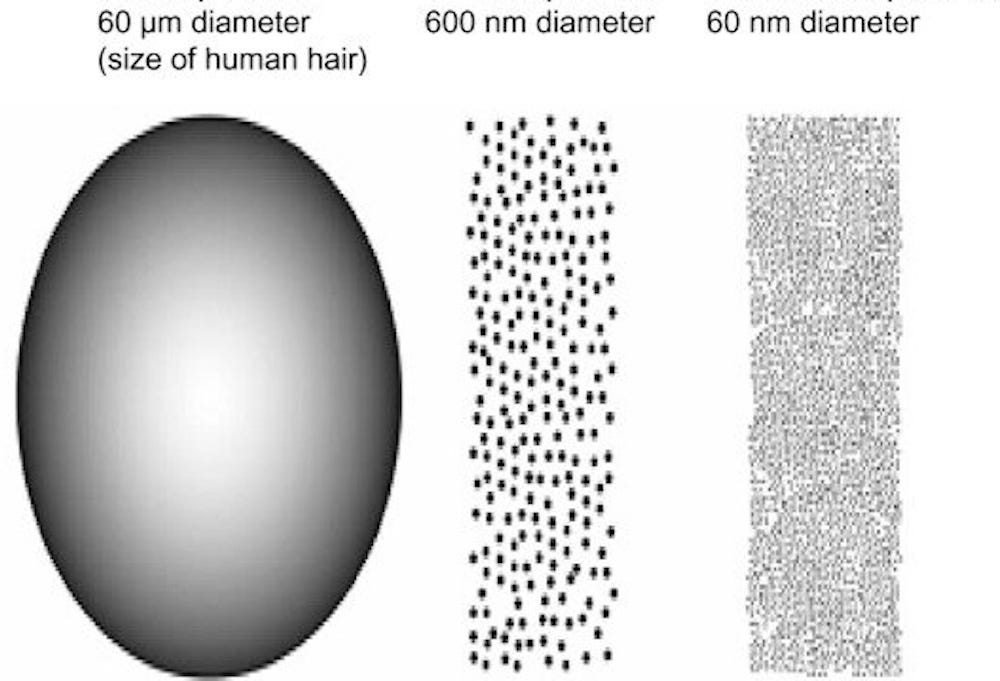
Releasing 350 septillion PM2.5 microparticles into the upper atmosphere (30,000–40,000 feet) every year constitutes an unprecedented, catastrophic alteration of the Earth’s atmosphere, leading to severe, long-term environmental and public health crises.
Note: 350 septillion is an astronomically high number of particles. For context, it is roughly comparable to the number of stars in the observable universe and the estimated total number of bacteria on Earth, highlighting that this is a scenario of massive, almost unimaginable scale.
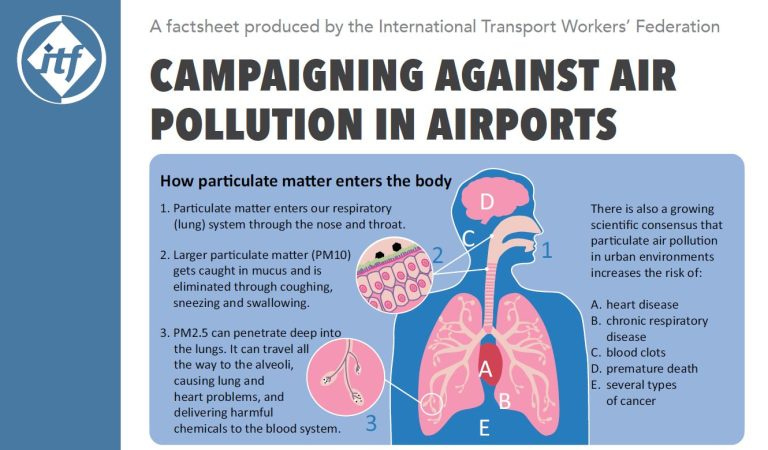
Based on general principles of atmospheric science and 𝑃𝑀2.5 health impacts, here are the expected consequences:
Black Carbon
Climate & Weather Effects
• Strong absorber of sunlight — contributes to atmospheric warming. Black carbon deposited on snow/ice accelerates melting (albedo reduction).
• Alters temperature gradients, with potential to weaken monsoon systems in some areas, intensify droughts, or shift rainfall belts.
• Particles that are deposited into the lower regions of the stratosphere can self-loft into higher regions of the stratosphere where they can remain far longer than particles deposited in the lower troposphere.
Human Health
• A major component of particulate matter (PM₂.₅), linked to respiratory and cardiovascular disease, cancer risk, and impacts on birth outcomes.
• High concentrations can cause lung inflammation, reduced lung function, and increased mortality.
A. Blocking Sunlight and Climate Cooling
Massive Reduction in Sunlight: Such an enormous volume of particles would act as a highly effective, persistent shield against incoming solar radiation, causing significant “global dimming.”
Artificial Cooling: These particles would scatter sunlight back into space, leading to a rapid, drastic drop in global temperatures, potentially triggering a synthetic, long-term winter-like state.
Altered Precipitation Patterns: The particles would likely act as cloud condensation nuclei (CCN), altering cloud properties, reducing rainfall in many areas, and disrupting global water cycles.
B. Catastrophic Health Impacts
Long-Range Transport: Even though released at high altitudes, these fine particles would eventually settle into the troposphere, spreading globally via jet streams and settling over inhabited areas.
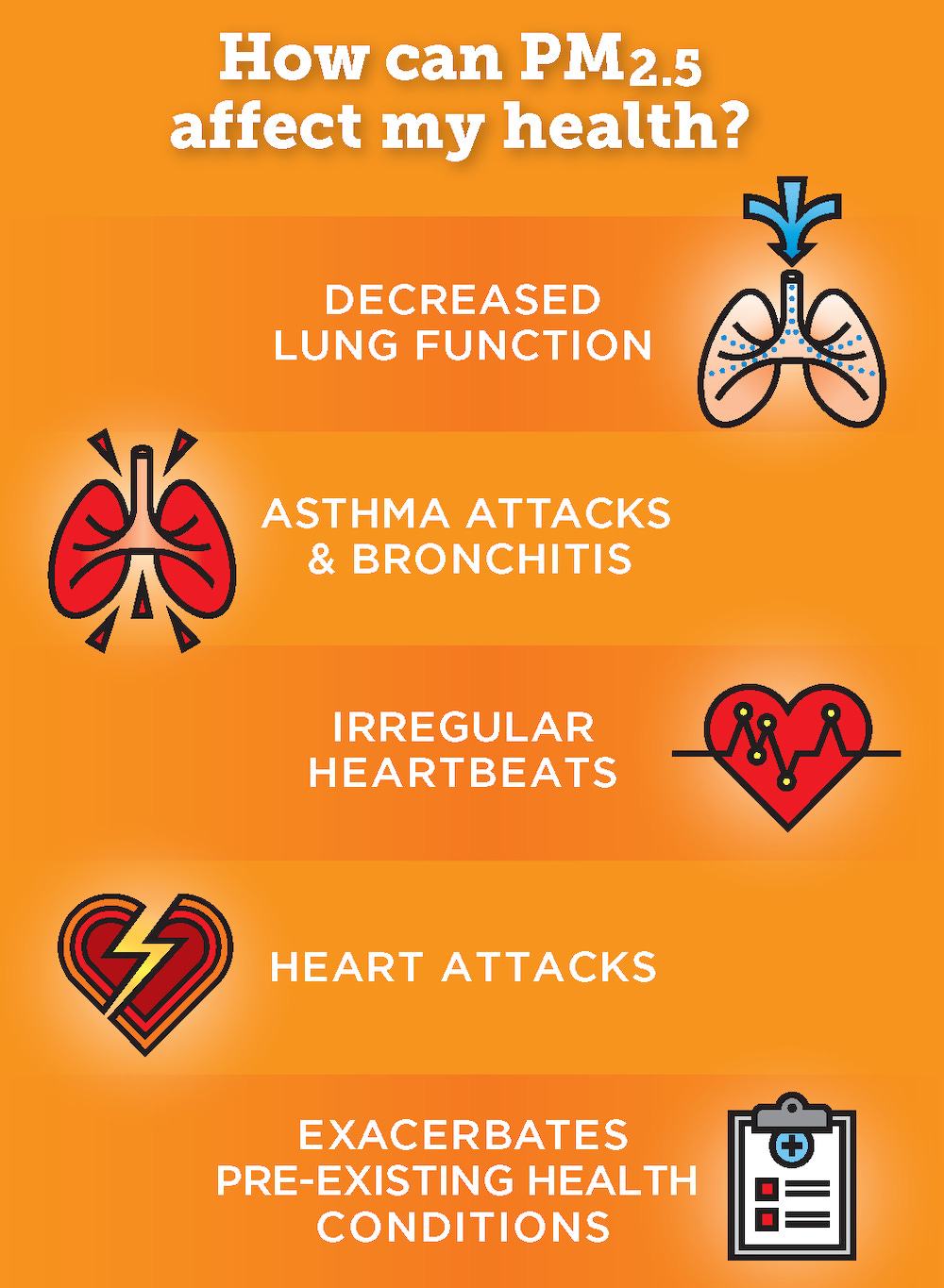
High-Altitude Pollution: 𝑃𝑀2.5 is a major cause of premature death (7–9 million annually currently). A massive influx would exponentially increase rates of cardiovascular disease, lung cancer, stroke, asthma, and dementia.
Systemic Toxicity: 𝑃𝑀2.5 particles can pass directly into the bloodstream and alveoli, causing chronic inflammation, oxidative stress, and reducing life expectancy globally.
C. Atmospheric and Environmental Destruction
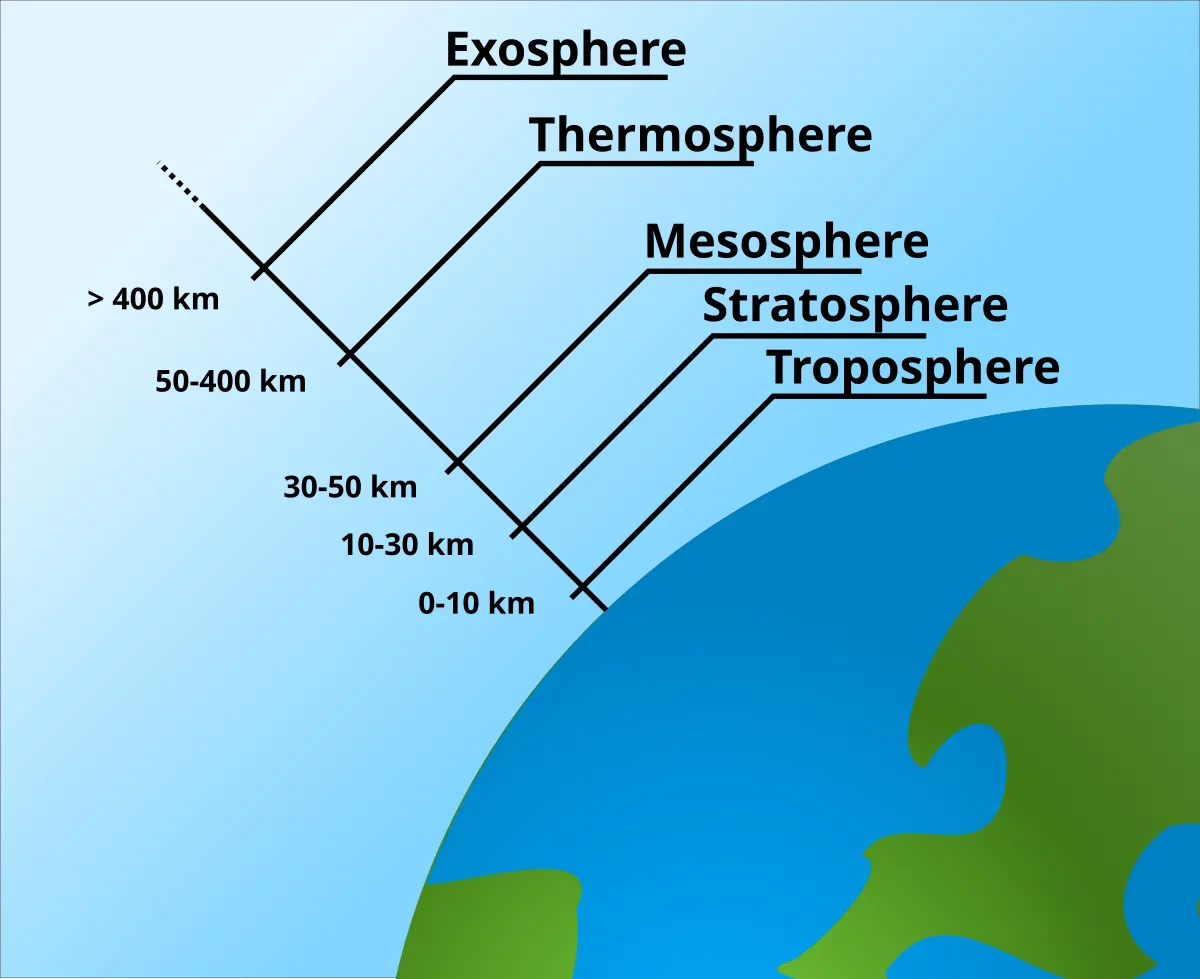
Stratospheric Chemistry Changes: Releasing these particles at 30,000–40,000 feet (the upper troposphere/lower stratosphere) could introduce them directly into the ozone region. The particles could provide surfaces for chemical reactions that destroy the ozone layer.
Acidification and Ecosystem Damage: As these particles settle, they would cause severe acidification of lakes, streams, and soil, damaging ecosystems and destroying biodiversity.
Reduced Visibility: The sky would likely appear hazy or grayish globally, with significantly reduced visibility and constant, thick, long-lasting haze (a phenomenon similar to, but far worse than, extreme wildfire smoke).
D. Continuous, Cumulative Damage
No “Clearing” Effect: Because the emissions are yearly and constant, the particles would accumulate faster than they can be removed by natural precipitation and gravitational settling, leading to a relentless worsening of environmental conditions.
Visibility and Climate: The cumulative nature of the release means that the reduction in sunlight and air quality would grow more severe each year.
Air pollution from aircraft jet engines is a significant environmental and public health problem.
A single jet engine can release approximately one quadrillion to one hundred quadrillion particles per kilogram of fuel burned. Given that large commercial jet engines can consume significant amounts of fuel per second, this translates to a massive rate of emission. At the engine exit, concentrations can reach approximately one billion particles per cubic centimeter.
Microparticles from jet engine exhaust (specifically ultrafine particles <100 nanometers) cause significant health issues by penetrating deep into the lungs and entering the bloodstream, potentially spreading to the heart and brain. The complex, sub-microscopic, and often toxic nature of these emissions, particularly in high-traffic, low-altitude areas near airports, presents a significant, yet largely overlooked, public health risk.
Exposure to these microparticles is linked to respiratory issues such as asthma, cardiovascular diseases, cancer, impaired neurological function and even Autism Spectrum Disorder.
NOTE FOR THE GRAPHIC BELOW: 10 to the 15th power is 1 quadrillion, 10 to the 16th is 10 quadrillion and 10 to the 17th power is 100 quadrillion particles per second.
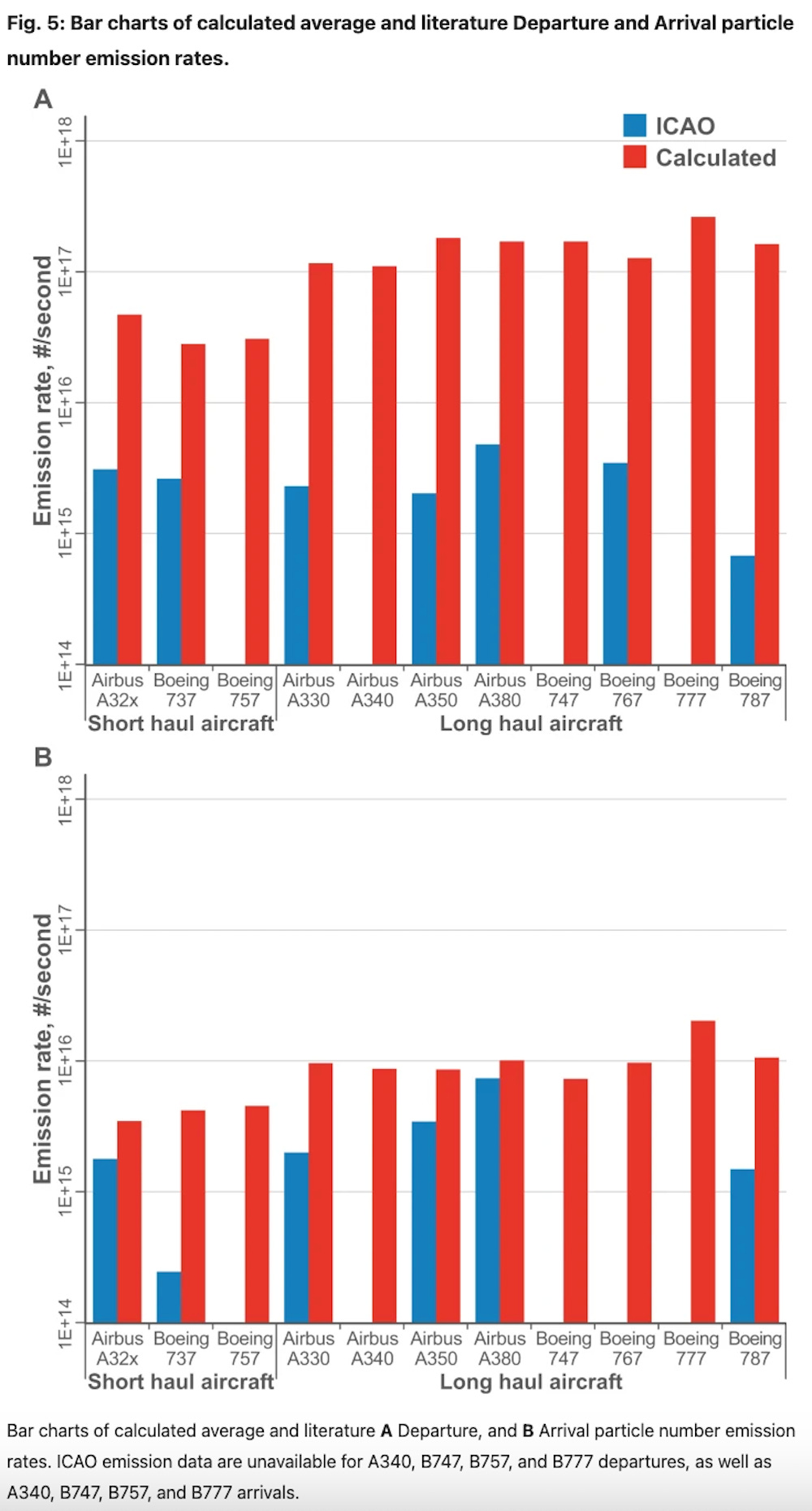
SOURCE:
https://www.nature.com/articles/s41612-023-00477-1#Fig5

Google’s AI Overview referenced the same study that I used, stating that jet engines emit approximately 347 SEPTILLION individual particles per year.
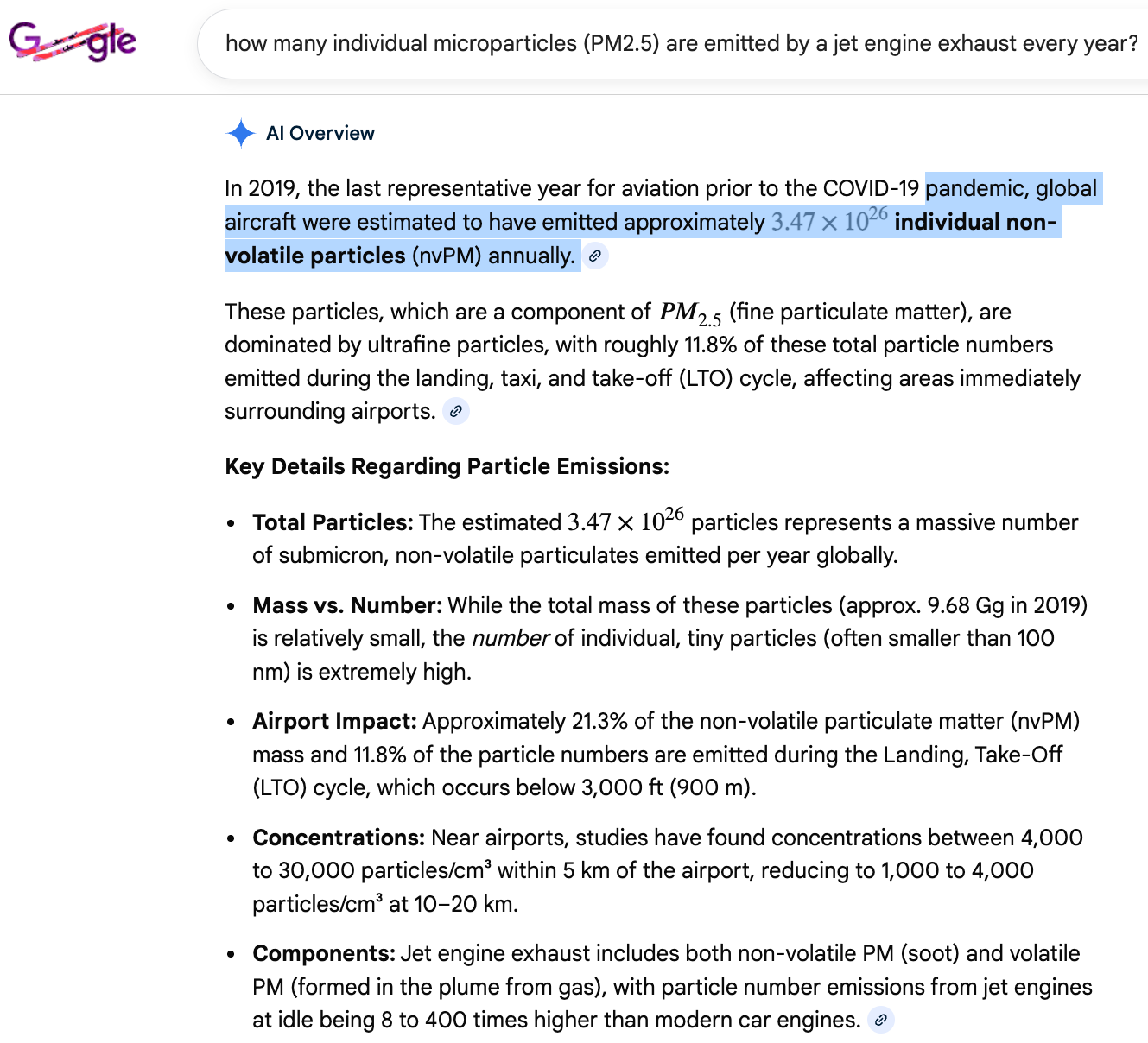
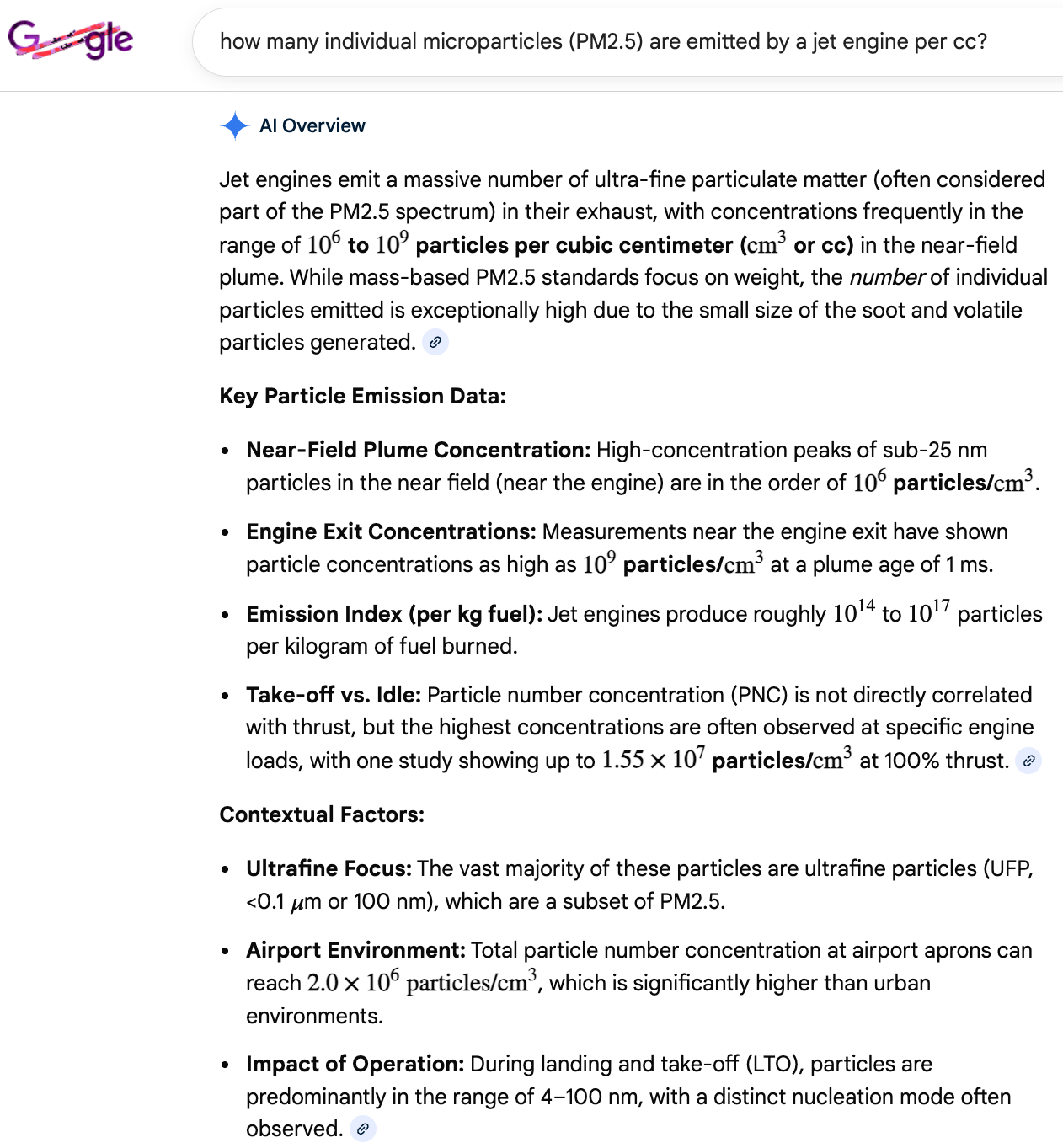
Google’s AI Overview estimated that jet engines emit between one million and one billion ultra-fine particles per cubic centimeter.

2. Water Vapor:
125 billion gallons (1 trillion pounds) of water.
This is approximately half the volume of water in Upper Klamath Lake in Oregon.
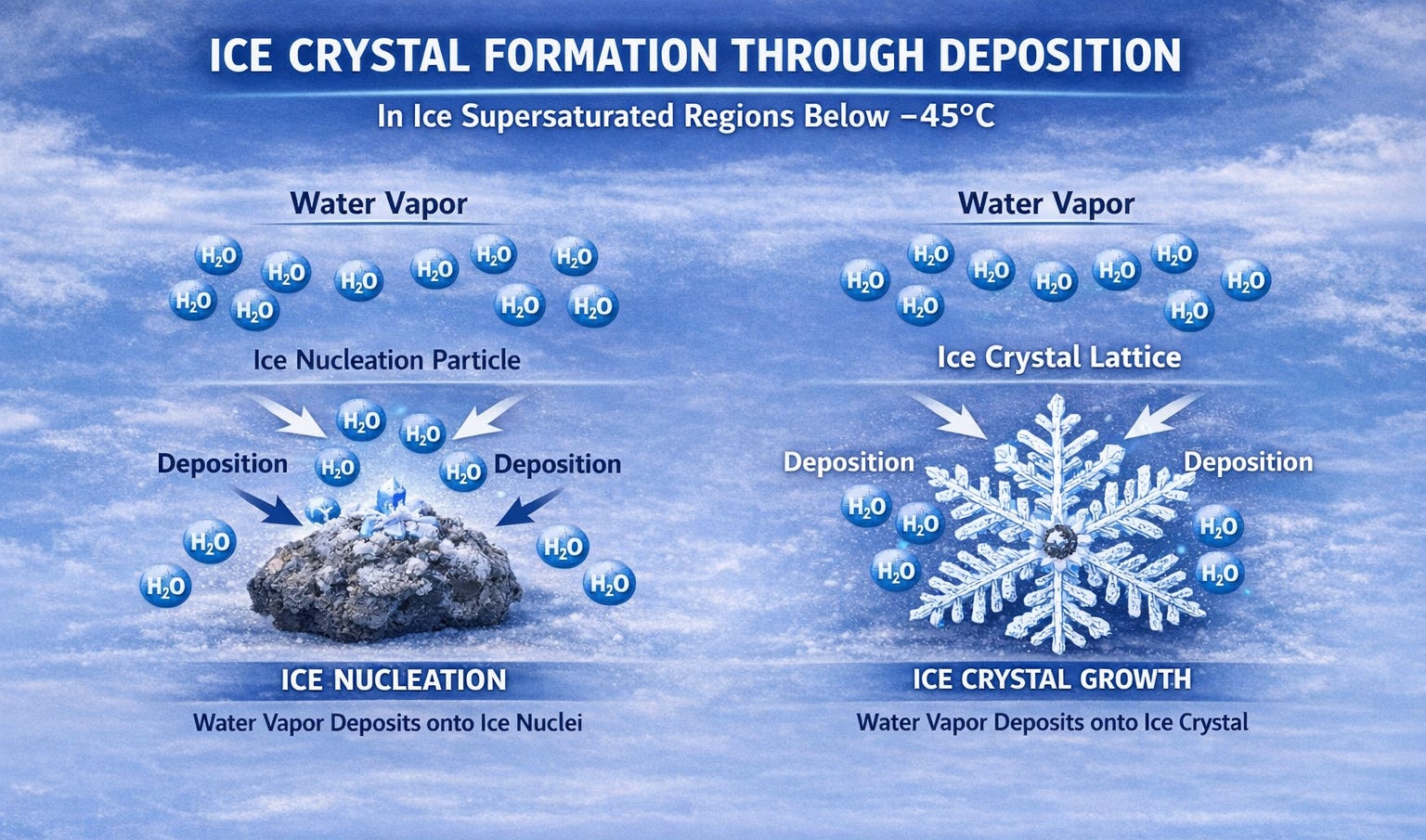
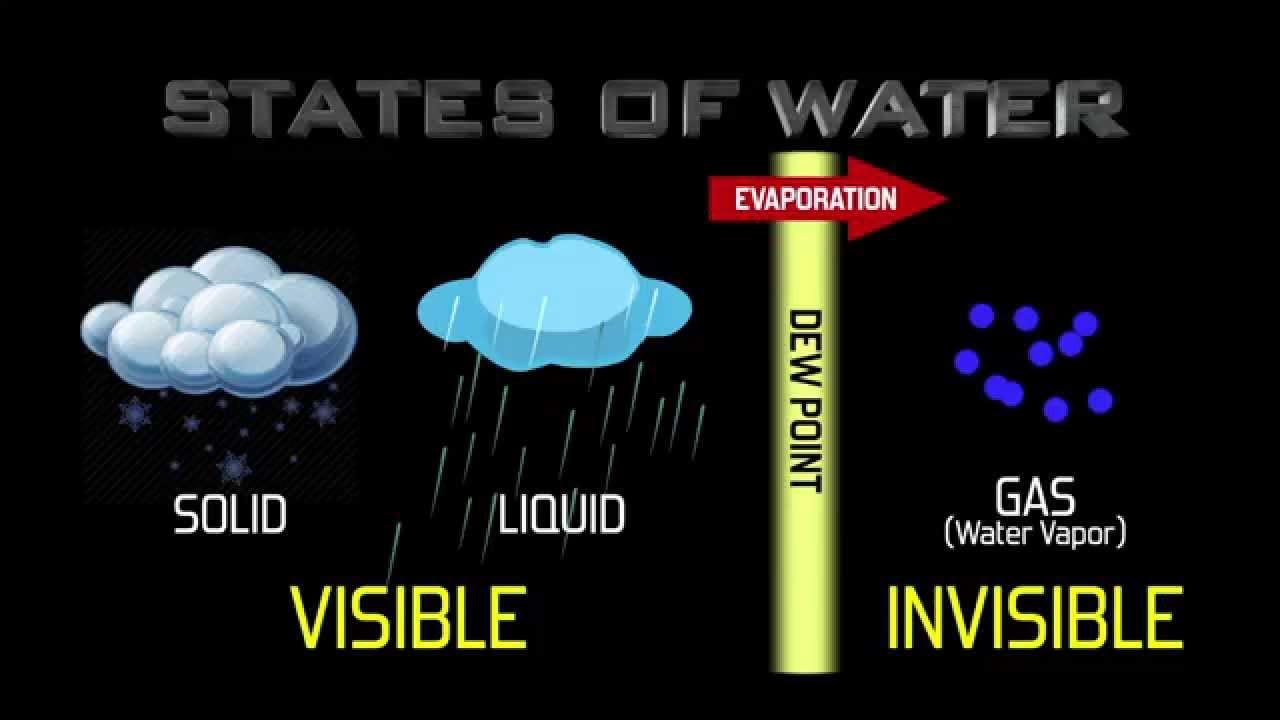
Releasing 125 billion gallons of water vapor (over one trillion pounds) annually at 30,000–40,000 feet—altitudes corresponding to the upper troposphere/lower stratosphere—would function as a consistent, localized injection of a potent greenhouse gas, leading to increased regional and global warming, enhanced cloud formation, and accelerated climate feedback loops.
Contrails and induced cirrus are widely regarded as a significant climate forcing mechanism, potentially comparable to or greater than CO₂ alone in warming impact.
Based on atmospheric science and aviation emission studies, the impacts include:
A. Enhanced Greenhouse Effect and Atmospheric Warming
Water Vapor as a Greenhouse Gas: Water vapor is the most abundant natural greenhouse gas. While its lifetime in the troposphere is short, it absorbs heat radiated from Earth, preventing it from escaping to space.
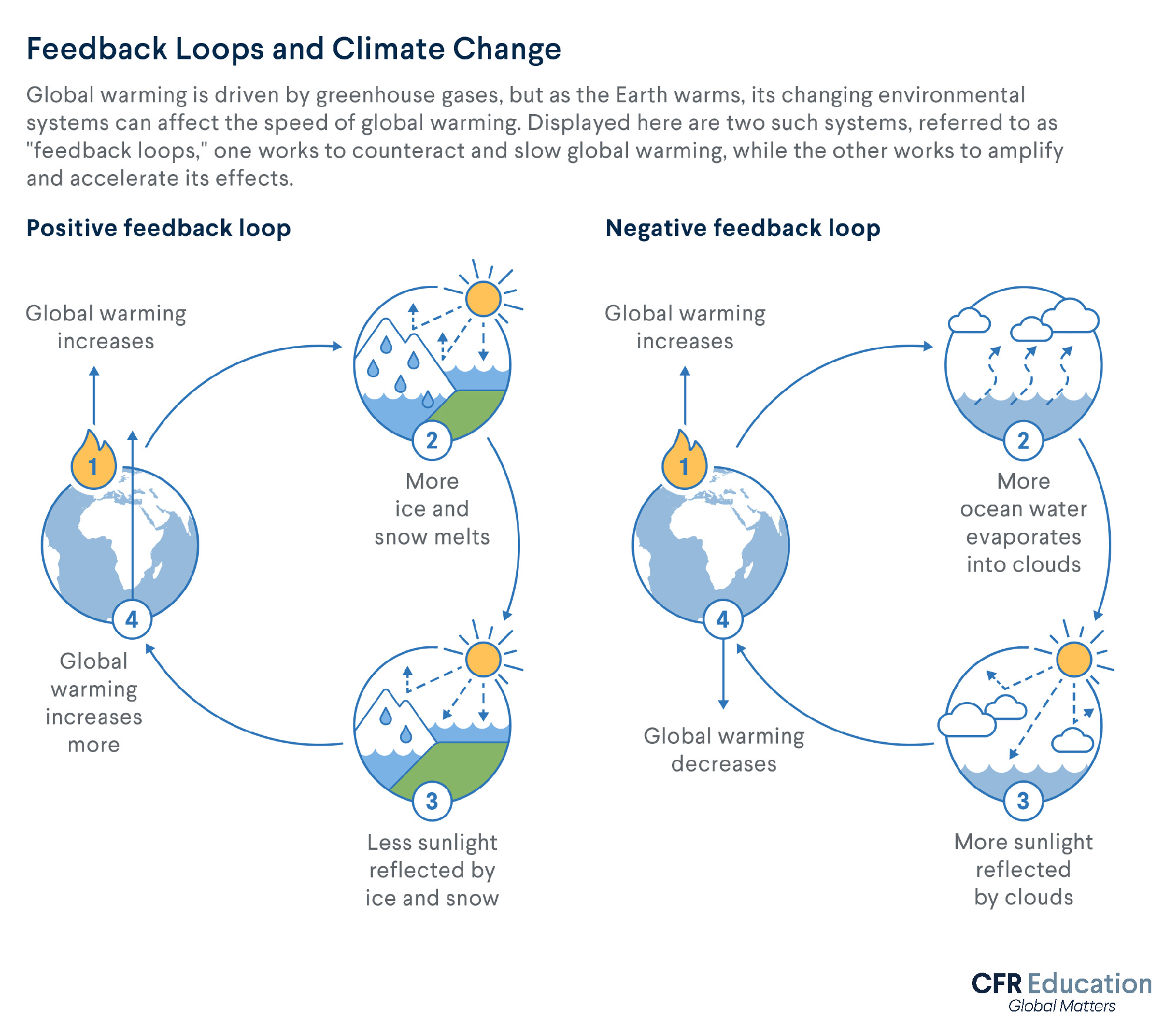
Amplification of Warming: Increased water vapor in the upper atmosphere amplifies the warming effect of other greenhouse gases, acting as a positive feedback loop.
Upper Atmosphere Sensitivity: Water vapor at high altitudes is particularly effective at trapping heat, where even small increases can have a disproportionate impact on climate.
B. Increased Cloud Formation
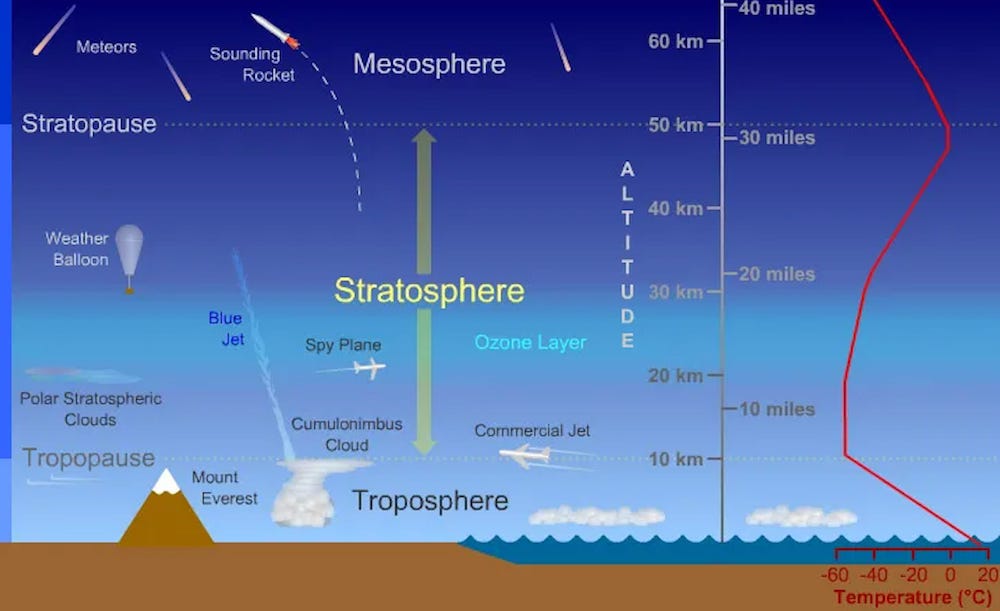
Increased Cloud Cover: At 30,000–40,000 feet, ambient temperatures are very low. The released water vapor, combined with soot particulates from engines, would create persistent and potentially growing cloud cover if it were released in Ice super-saturated regions. These regions make up approximately 5% of the airspace. The reflective nature of white clouds would have a cooling effect.
Invisible Water Vapor: Approximately 95% of the troposphere and tropopause and 100% of the stratosphere are not conducive to the creation of ice clouds (humidity is too low). Therefore the deposition of large amounts of water vapor would have a significant warming effect.
C. Disruption of Regional Weather Patterns
Water Cycle Intensification: Increased water vapor amplifies the global water cycle, making wet regions wetter and dry regions drier.
Intense Storms: The added vapor increases the latent energy in the atmosphere, which can fuel more intense storms and increase extreme weather events, particularly over land.
D. Climate Feedbacks and Long-Term Impact
Positive Feedback Loop: Higher temperatures caused by this water vapor increase the atmosphere’s ability to hold moisture, leading to more water vapor, accelerating the warming.
Stratospheric Impact: If this vapor reaches the stratosphere, it can remain longer than in the troposphere, leading to significant, long-lasting warming.
Context: While 125 billion gallons seems massive, it is relatively small compared to natural atmospheric water cycles (e.g., millions of tons of water vapor are added daily through natural evaporation). However, the concentration of this injection at high altitudes (where the air is usually very dry) makes it a significant, artificial contributor to climate change.
In short, such a project would create a planet-wide, self-induced environmental disaster, causing catastrophic damage to human health, biodiversity, and the global climate.

3. Carbon Dioxide (CO₂)
2.15 trillion pounds of carbon dioxide
Climate & Weather Effects
• Primary greenhouse gas — cumulative increases trap infrared radiation, warming the planet.
• Warming alters jet streams, storm tracks, precipitation patterns, and can intensify extreme weather (heatwaves, droughts, heavy rainfall events).
• Ocean acidification from CO₂ uptake alters marine ecosystems.
Human Health
• At ambient levels, CO₂ itself is not highly toxic, but climate change driven by high CO₂ harms health through heat stress, vector-borne disease shifts, food/water insecurity, and air quality degradation.

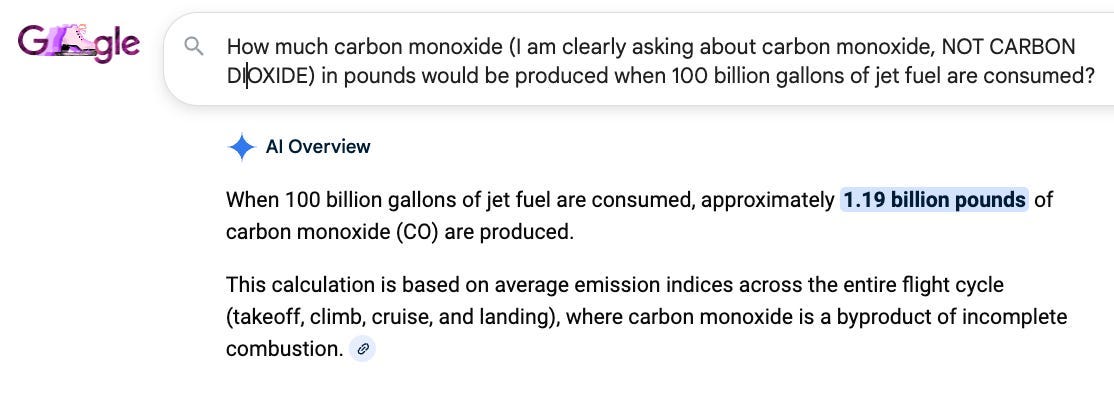
4. Carbon Monoxide (CO) ☠️
1.14 billion pounds of carbon monoxide

Climate & Weather Effects
• Indirect greenhouse influence by altering atmospheric chemistry (affects methane lifetime).
• Not a major direct driver of climate compared to CO₂ or methane.
Human Health
• Very toxic; binds to hemoglobin more strongly than oxygen, reducing oxygen delivery.
• Symptoms include headache, dizziness, confusion, unconsciousness, and death at high exposure.
• Large atmospheric concentrations could cause widespread poisoning indoors and outdoors
Google’s AI Overview provided a similar result:
.

5. Sulfur Oxides (SO₂ / SO₃)
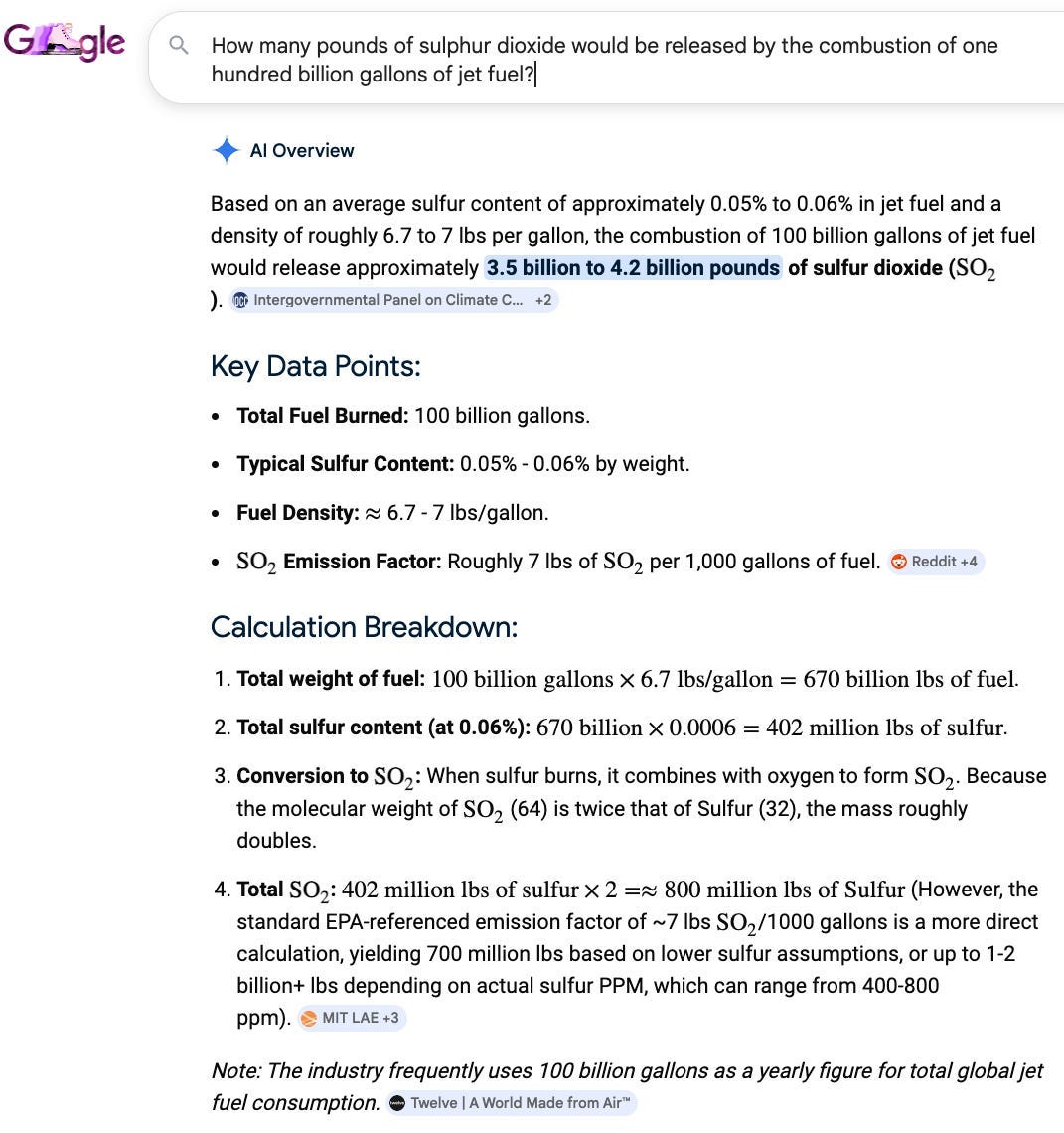
350 to 700 million pounds of sulphur dioxide
Climate & Weather Effects
• SO₂ oxidizes to sulfuric acid particles — these scatter sunlight and increase Earth’s albedo, potentially causing temporary cooling (stratospheric aerosols did this after volcanic eruptions).
• Can alter precipitation patterns and regional circulation if widespread.
Human Health
• SO₂ is irritating and can trigger asthma and broncho-constriction.
• Sulfuric acid aerosols damage lungs and can lower life expectancy.
• Acid rain from sulfur oxides harms vegetation, soils, and aquatic ecosystems.
Google’s AI Overview provided a substantially larger estimate:
(This is a good example of why you should NOT trust Artificial Intelligence. In short, the answer received from Google AI is an absolute mess. Firstly, it confused the terms sulfur and sulfur dioxide. Secondly, the summary at the top of the response claims that 3.5-4.2 billion pounds of sulfur dioxide are released, but the summary at the bottom of the response claims a more accurate amount of 700 million pounds. I used the lower amounts and double checked from other sources. )

6. Nitrogen Oxides (NOₓ: NO + NO₂)
100 to 120 million pounds of nitrogen oxides
Climate & Weather Effects
• Precursors to ozone (a greenhouse gas at ground level) and nitrate aerosols, which scatter sunlight.
• NOₓ emissions can cool the climate slightly via aerosol formation but increase ozone warming and contribute to smog.
• Can change nitrogen deposition rates, affecting ecosystems and cloud chemistry.
Human Health
• NO₂ irritates respiratory system — increases asthma, bronchitis, and other pulmonary problems.
• Contributes to secondary particulate matter formation (nitrates), further harming health.

7. Naphthalene
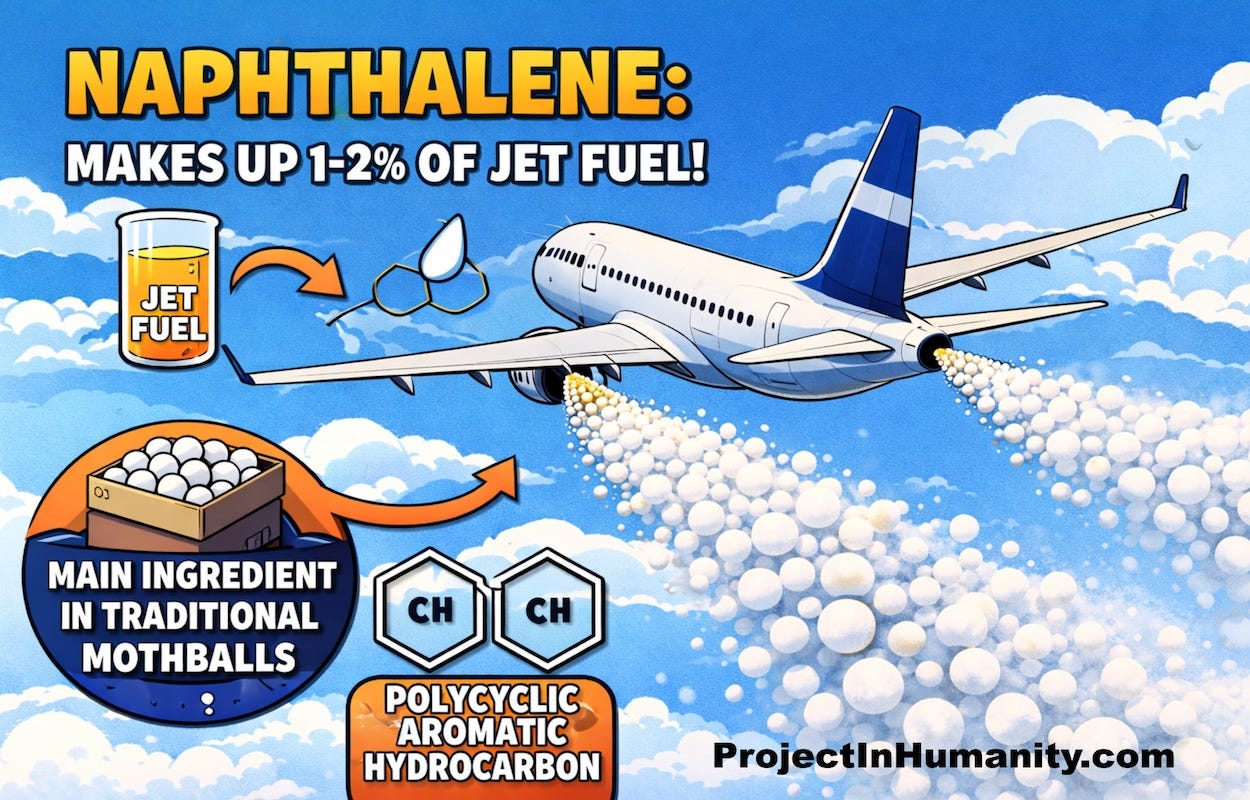
CLICK HERE FOR ADDITIONAL DETAILS

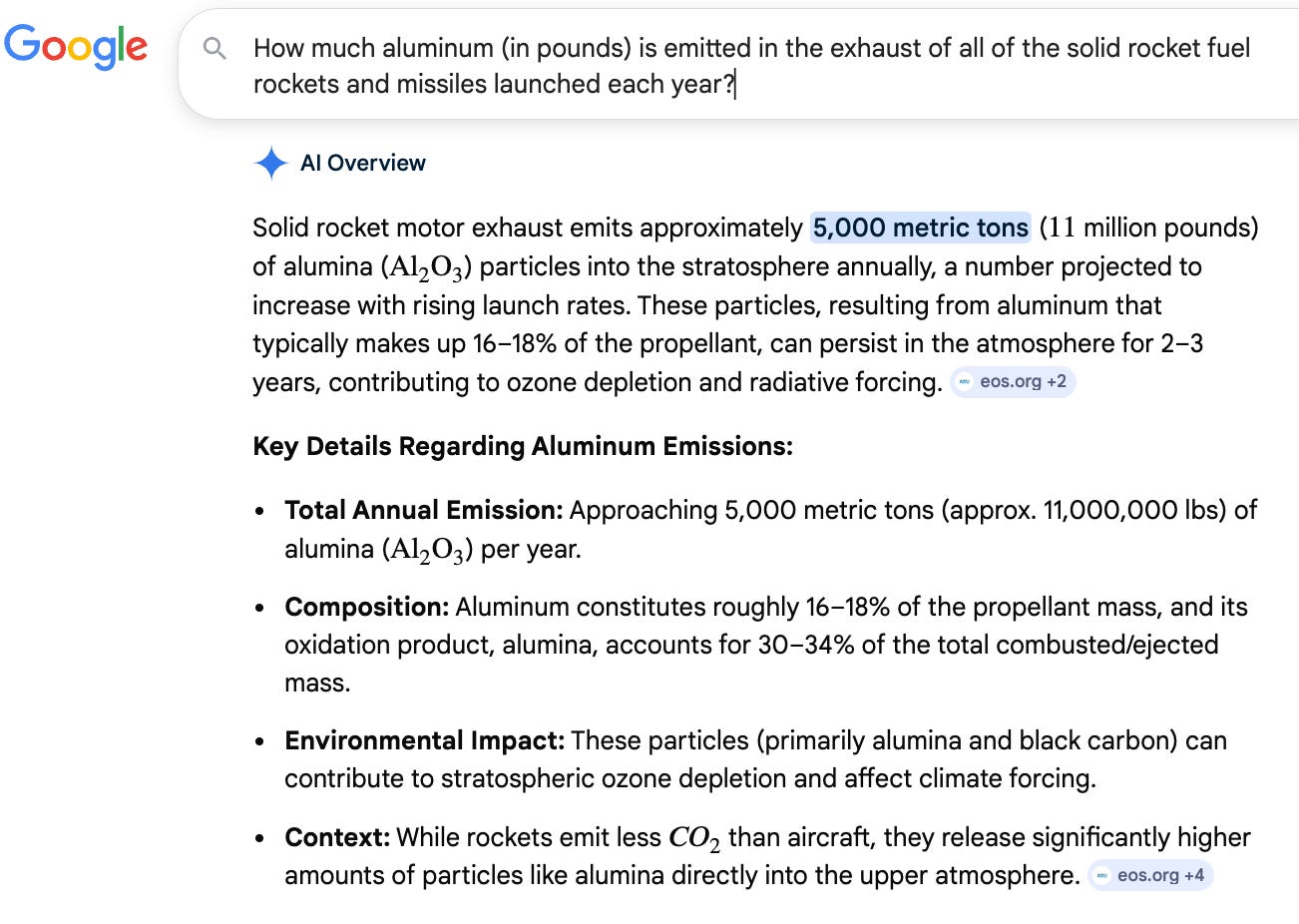
8. Aluminum (From rocket exhaust)
11 million pounds of aluminum powder

Climate & Weather Effects
• Can scatter and absorb sunlight, altering Earth’s radiative balance. At very high concentrations this could cool the surface locally (a bit like stratospheric aerosols), but interactions are unpredictable and could disrupt regional weather patterns (e.g., monsoons).
• Smaller particles can serve as cloud condensation nuclei, changing cloud properties, rainfall distribution, and potentially weakening some storm systems while intensifying others.
Human & Ecosystem Health
• Inhalation risk: ultrafine aluminum particles are respirable and can penetrate deep into lungs, potentially causing inflammation or neurotoxicity.
• Chronic exposure may exacerbate asthma, cardiovascular issues, and neurological disorders (some studies link aluminum to cognitive effects, though mechanisms aren’t fully settled).
• Ecotoxicity: settles on soils and water bodies, can harm microbial activity and aquatic life.
9. Magnetite
8-10 million pounds of magnetite
Magnetite is a black, opaque, and highly magnetic iron oxide mineral (Fe3O4) that acts as one of the primary, highest-quality ores of iron. As the most strongly magnetic naturally occurring mineral, it is found in igneous, metamorphic, and sedimentary rocks, often appearing as “black sand” on beaches.
Magnetite (Fe3O4) in jet engine emissions is an increasingly studied particulate pollutant. Primarily generated by the extreme temperatures of aviation combustion and the wear of engine components, these ultrafine magnetic nanoparticles pose growing health concerns due to their ability to easily enter the bloodstream and bypass the blood-brain barrier. [1, 2, 3, 4]
Origins of Magnetite in Jet Exhaust
Combustion of Traces: Modern jet fuel is highly refined, but jet turbine lubricants and trace metals in the fuel can undergo high-temperature combustion, producing iron-oxide nanoparticle aggregates. [1, 2, 3]
Engine Wear: Jet engines rely on advanced superalloys (such as Inconel, which contains iron, nickel, and chromium) for their high-stress, high-temperature components. Thermal stress, friction, and oxidation of these parts release metal-rich ultrafine particles (UFPs) into the exhaust stream. [1, 2]
Size and Behavior
Nanoscale Properties: Unlike the millimeter-sized magnetite particles found in industrial fly ash, the magnetite found in jet and diesel exhaust is largely dominated by ultrafine particles (<0.1μm in diameter). [1, 2, 3]
Dispersion: Because they are extremely light and small, these particles are easily suspended in the air. High-altitude emissions disperse widely, while ground-level emissions contribute significantly to poor air quality around airports, particularly during taxiing and take-off. [1]
Health & Environmental Implications
Neurological Risks: Ultrafine magnetite can bypass the lungs and directly enter the bloodstream or travel up the olfactory bulb, making its way into the brain. Research has linked these anthropogenic magnetite nanoparticles to neurodegenerative diseases (like Alzheimer’s and Parkinson’s). [1, 2, 3, 4, 5]
Cardiovascular Disease: Exposure to these particles is known to induce oxidative stress and chronic inflammation in cardiovascular and respiratory systems. [1, 2, 3]
Electromagnetic Resonance: Because magnetite is highly magnetic, scientists have discovered that these particles have strong electromagnetic absorption properties (which is actively studied in the context of cell phone radiation and cellular damage). [1]
Jet engines and their associated combustion processes emit significantly more magnetite (Fe3O4) than hematite (Fe2O3). [1]
The iron oxide emissions from jet exhaust primarily consist of trace metals from engine wear and fuel impurities, which form nanocrystals in the high-temperature, reducing environment of the engine core. Here is a closer look at the emissions: [1]
Magnetite dominance: Because the primary combustion chamber of a jet engine operates in a highly fuel-rich and low-oxygen state (a “reducing” environment), the iron particulates that form largely oxidize into magnetite. [1, 2, 3]
Minor hematite: Hematite requires highly oxidizing conditions, making it a relatively minor component of engine exhaust, though it can still be found in smaller quantities. [1, 2]
Brake vs. Exhaust differences: While jet engines emit more magnetite in their exhaust, it is worth noting that aircraft brakes (and automotive brake debris in general) primarily emit hematite. [1]
10. Lead (From Light Aircraft Exhaust)
10 to 20 million pounds
Lead is a toxic heavy metal with no known safe level of exposure. As fine particulate matter (approximately 13 nanometers in size), lead is small enough to easily penetrate mucosal barriers and enter the bloodstream.
Impact on Children: Children are the most vulnerable due to their developing nervous systems. Exposure is linked to:
Irreversible cognitive damage, including reduced IQ, decreased academic performance, and learning difficulties.
Behavioral issues, such as decreased ability to pay attention and increased behavioral problems.
Permanent physiological changes, including the inhibition of calcium pathways in neurons.
Impact on Adults: Long-term exposure in adults is associated with:
Cardiovascular issues, including high blood pressure, hypertension, and an increased risk of death from cardiovascular disease.
Organ damage, specifically affecting the kidneys and immune system.
Reproductive problems in both men and women.
Neurological concerns, with some evidence suggesting a possible link to dementia.
11. Semi-Volatile Polycyclic Aromatic Hydrocarbons
480,000 to 910,000 pounds
• Exposure to hydrocarbons and associated particulate matter (specifically ultrafine particles, UFP <100 nm) can cause coughing, labored breathing, and worsen asthma or chronic respiratory conditions.
• Some polycyclic aromatic hydrocarbons are classified as known or probable carcinogens. They are associated with increased risks of lung and bladder cancer, particularly among airport ground personnel.
• Chronic exposure has been linked to neurological damage, including headaches, dizziness, fatigue, cognitive impairment, and in some cases, peripheral neuropathy.
• Acute Toxicity: High-level exposure to can cause immediate symptoms like nausea, vomiting, and in extreme cases, unconsciousness.
☠️ Hydrazines (e.g., N₂H₄)
Climate & Weather Effects
• Do not persist in the atmosphere long but break down to nitrogen, ammonia, and other nitrogen species that can contribute to smog and nitrogen deposition.
Human Health
• Extremely toxic by inhalation and dermal exposure. Causes irritation of eyes/respiratory tract, neurological effects, liver/kidney damage, and is a potential carcinogen.
• Even moderate ambient levels would pose serious public health risk.
Hydrogen Chloride (HCl)
Climate & Weather Effects
• Highly soluble in water — rapidly forms hydrochloric acid in clouds/rain. This would cause acid rain, damaging forests, soils, and water bodies.
Human Health
• Corrosive gas — irritates eyes, skin, and lungs. At high concentration, can cause pulmonary edema and death.
• Background increases would worsen respiratory diseases like asthma.
Hydroxyl Radicals (OH)
Hydroxyl radicals are a short-lived atmospheric reactive species.
Climate & Weather Effects
• The primary danger caused by hydroxyl radicals is the rapid, sunlight-driven conversion of other compounds into a high volume of hazardous secondary organic aerosols (fine particulate matter). These highly reactive hydroxyl radicals act as oxidants, reacting with hydrocarbons to produce 35 times more particles than initially emitted, significantly increasing the concentration of toxic soot and aerosols.
• Perturbations could disrupt atmospheric oxidation capacity, altering lifetimes of many gases.
Human Health
• Hydroxyl radicals drive the chemistry that converts emitted vapors into solid, breathable particles (submicrometer particles). They react almost instantly and the resulting particulate matter is small enough to lodge deep in the human lungs and enter the bloodstream, contributing to cardiovascular issues, cancer, and respiratory disease.

12. Trace Minerals
Information coming soon.
🧠 Summary Table
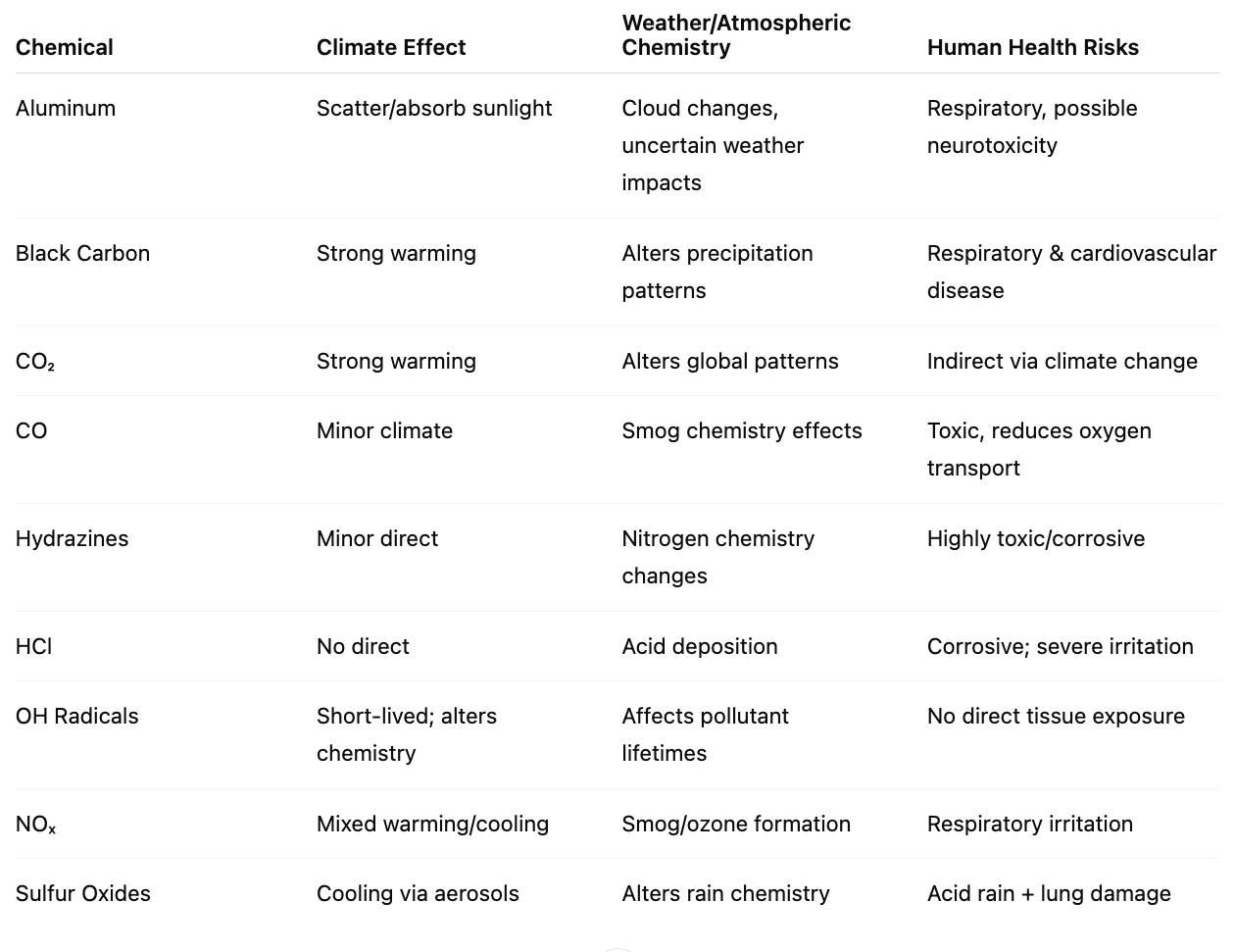
🌦 Broad Takeaways
✅ Climate
• Black carbon is one of the most significant climate drivers based upon its ability to absorb and re-radiate heat
• Sulfur oxides can temporarily cool but at great environmental cost.
☁️ Weather Patterns
• Aerosols and reactive gases can alter cloud formation and rainfall unpredictably. Large perturbations can disrupt monsoons, storm tracks, and drought/flood balances.
🫁 Human Health
• Many of these substances are either toxic directly (e.g., CO, hydrazines, HCl) or contribute to secondary pollutants (ozone, particulate matter) that harm respiratory and cardiovascular health.

I. SYSTEM-LEVEL OVERVIEW
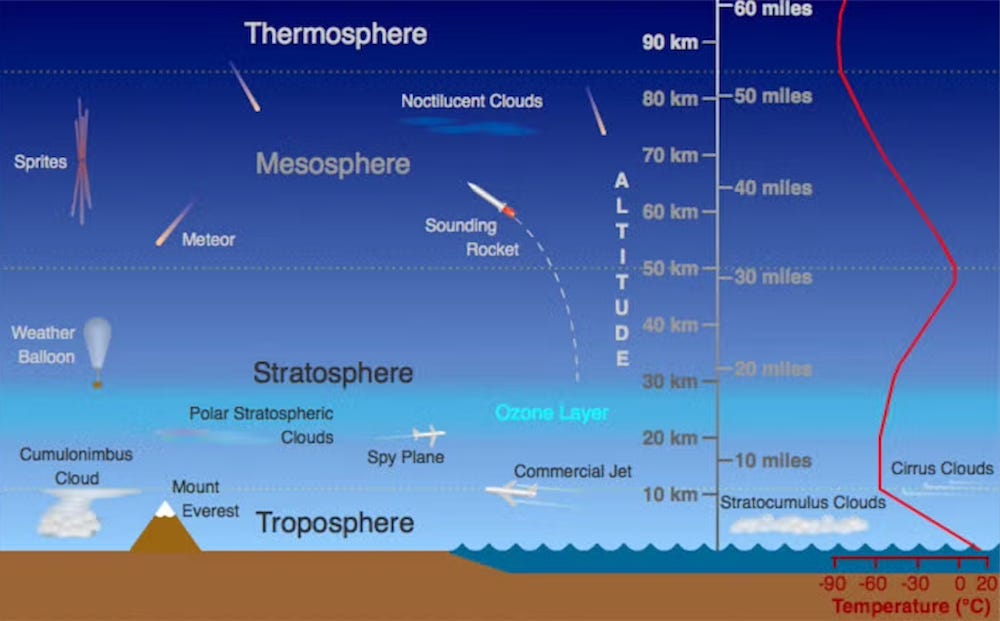
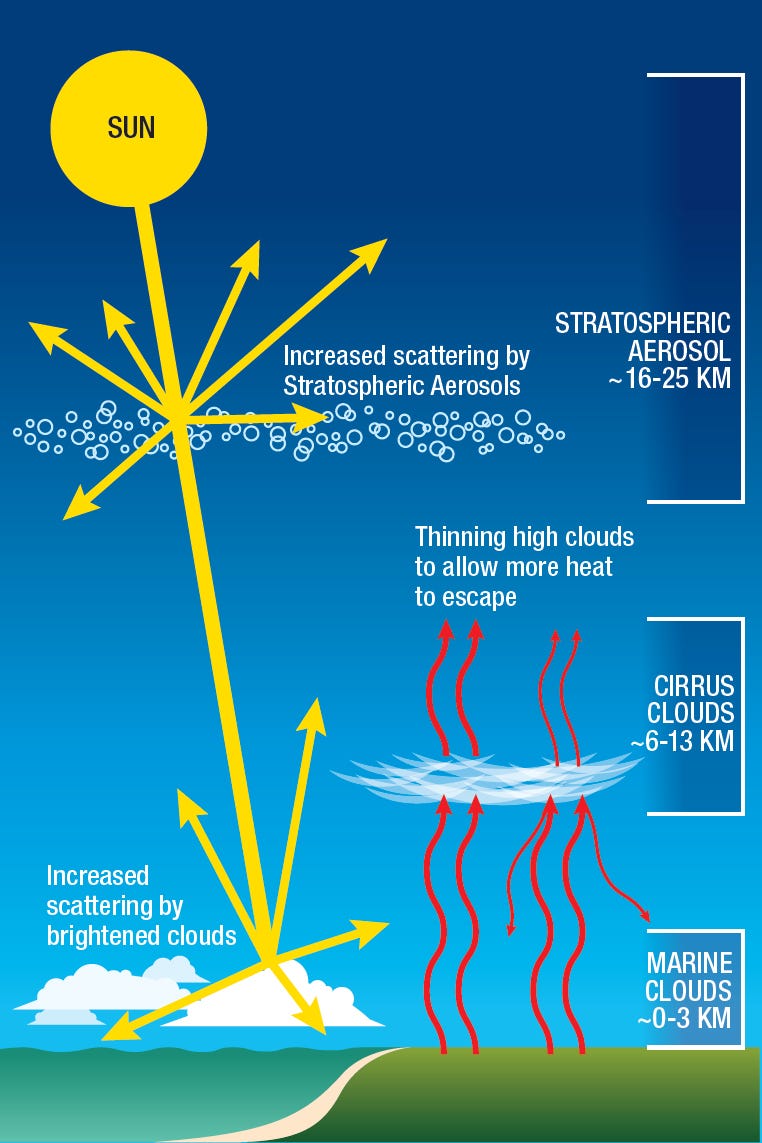
Large-scale atmospheric geoengineering involving aluminum, black carbon, sulfur oxides, nitrogen oxides, and reactive gases would not act as a single intervention. Instead, it would create a multi-layered chemical forcing event affecting:
• Earth’s radiative balance
• Atmospheric chemistry and oxidation capacity
• Cloud microphysics and precipitation
• Global circulation systems
• Human respiratory, cardiovascular, neurological, and immune health
• Terrestrial and aquatic ecosystems
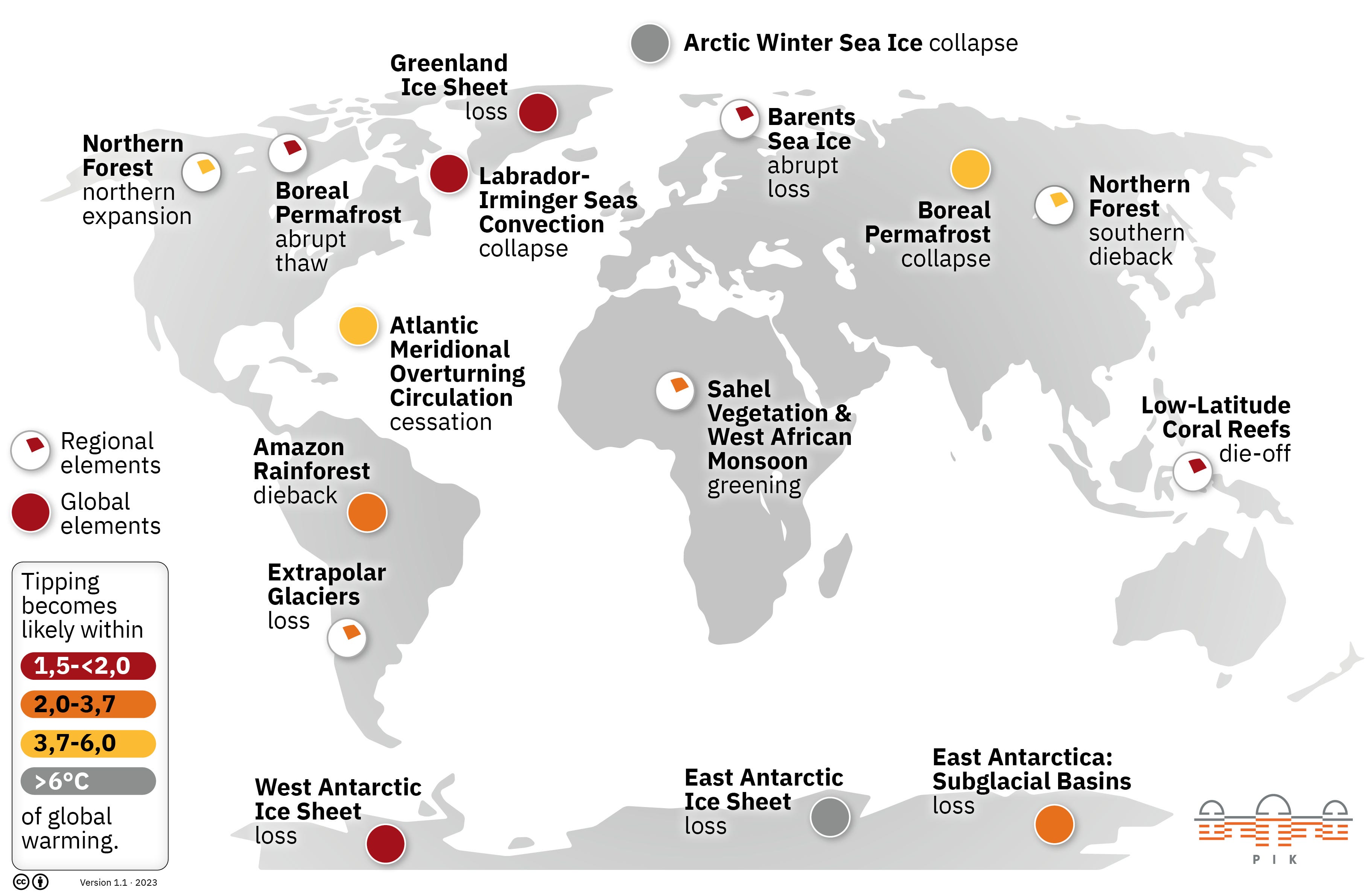
These systems are non-linear, meaning small changes can trigger outsized or irreversible effects.

II. RADIATIVE FORCING & ENERGY IMBALANCE
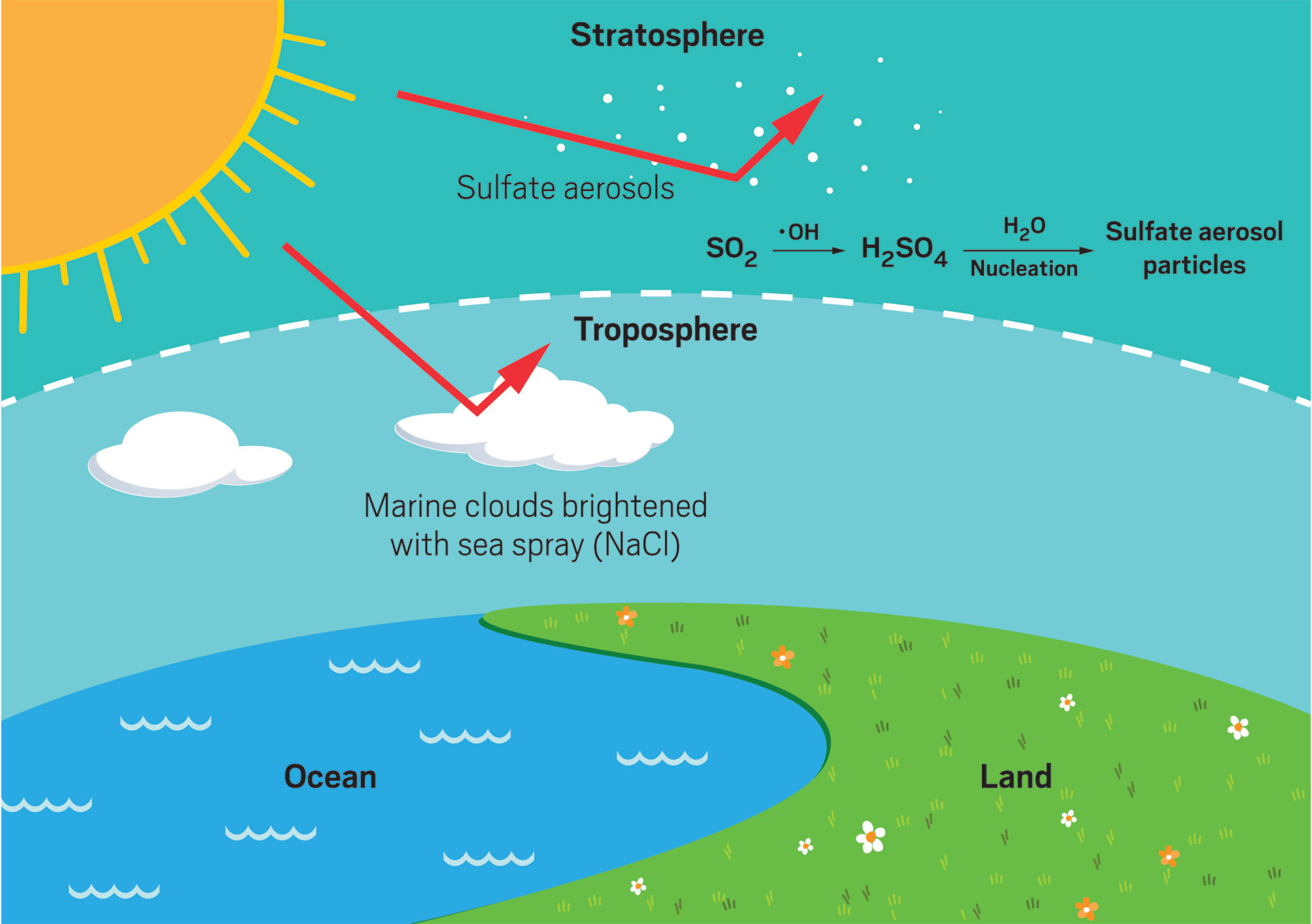
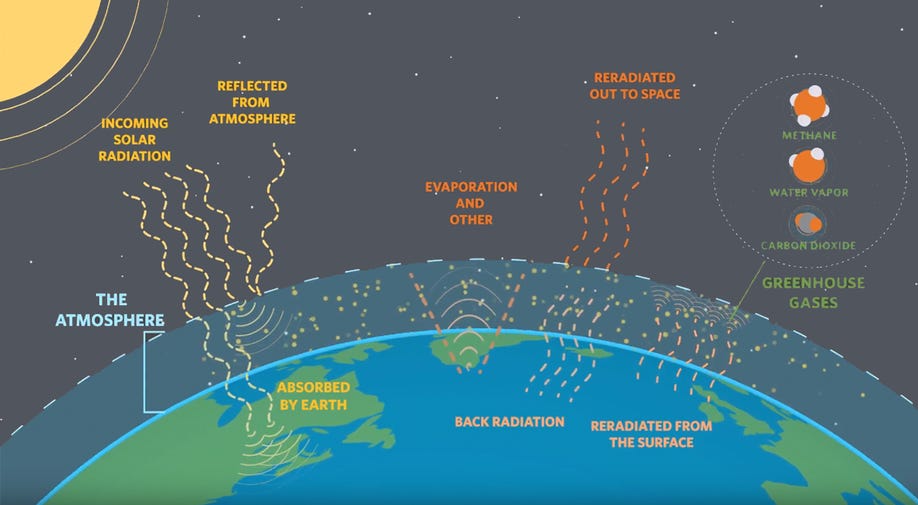
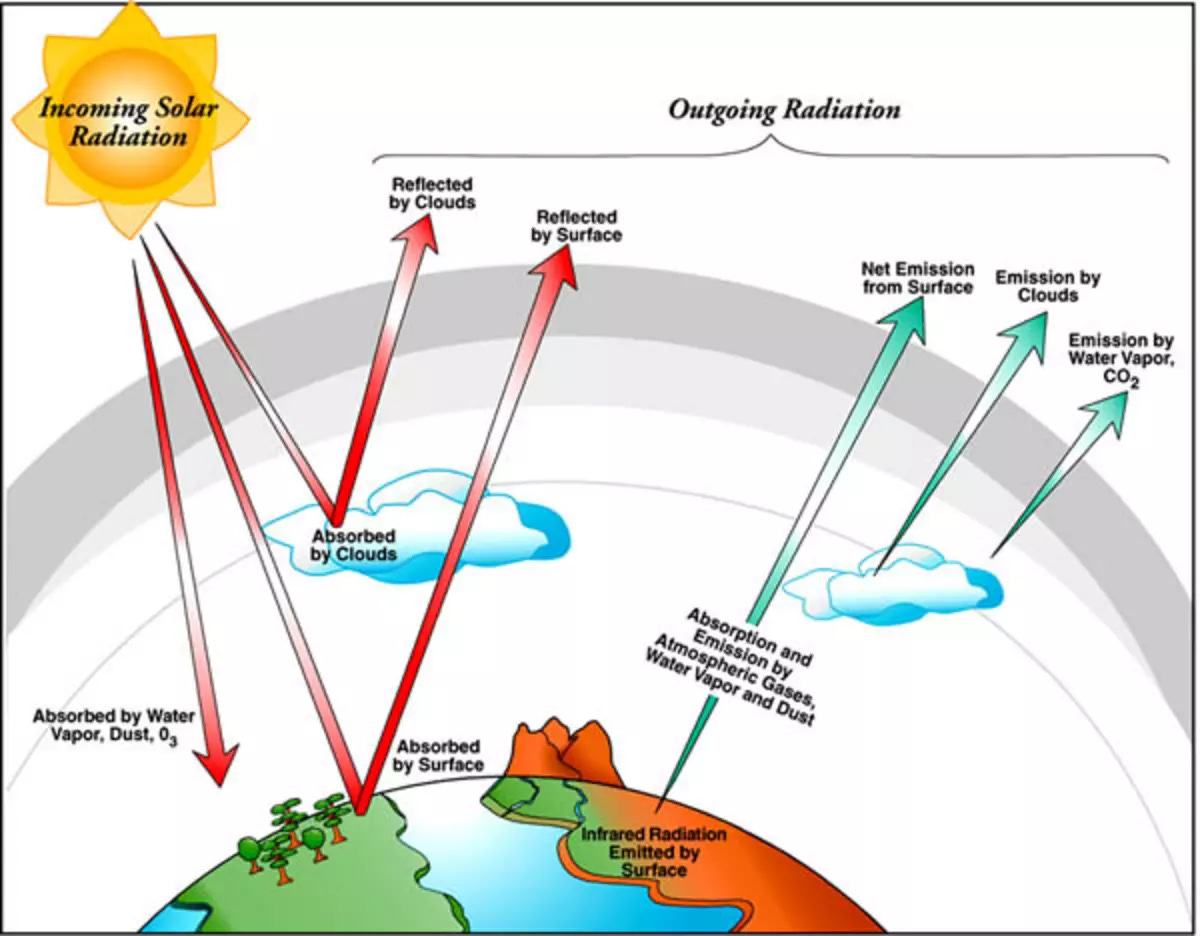
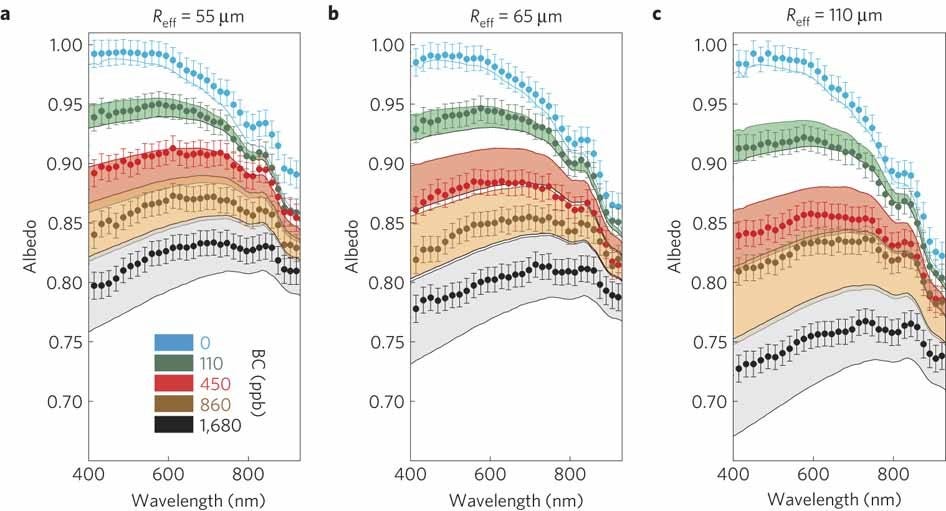
Key Mechanisms
A. Solar Reflection vs Absorption
Sulfur oxides and some aluminum aerosols scatter sunlight → surface cooling
Black carbon absorbs sunlight → atmospheric heating
Mixed aerosol fields can destabilize temperature gradients
B. Vertical Heating Asymmetry
Heating aloft + cooling below can:
• Suppress convection
• Trap pollutants near the surface
• Alter jet stream behavior
Potential Outcomes
• Regional cooling with global instability
• Increased heat waves in some regions
• Accelerated polar ice melt (black carbon deposition)
• Disruption of seasonal climate cycles

III. DISRUPTION OF WEATHER PATTERNS
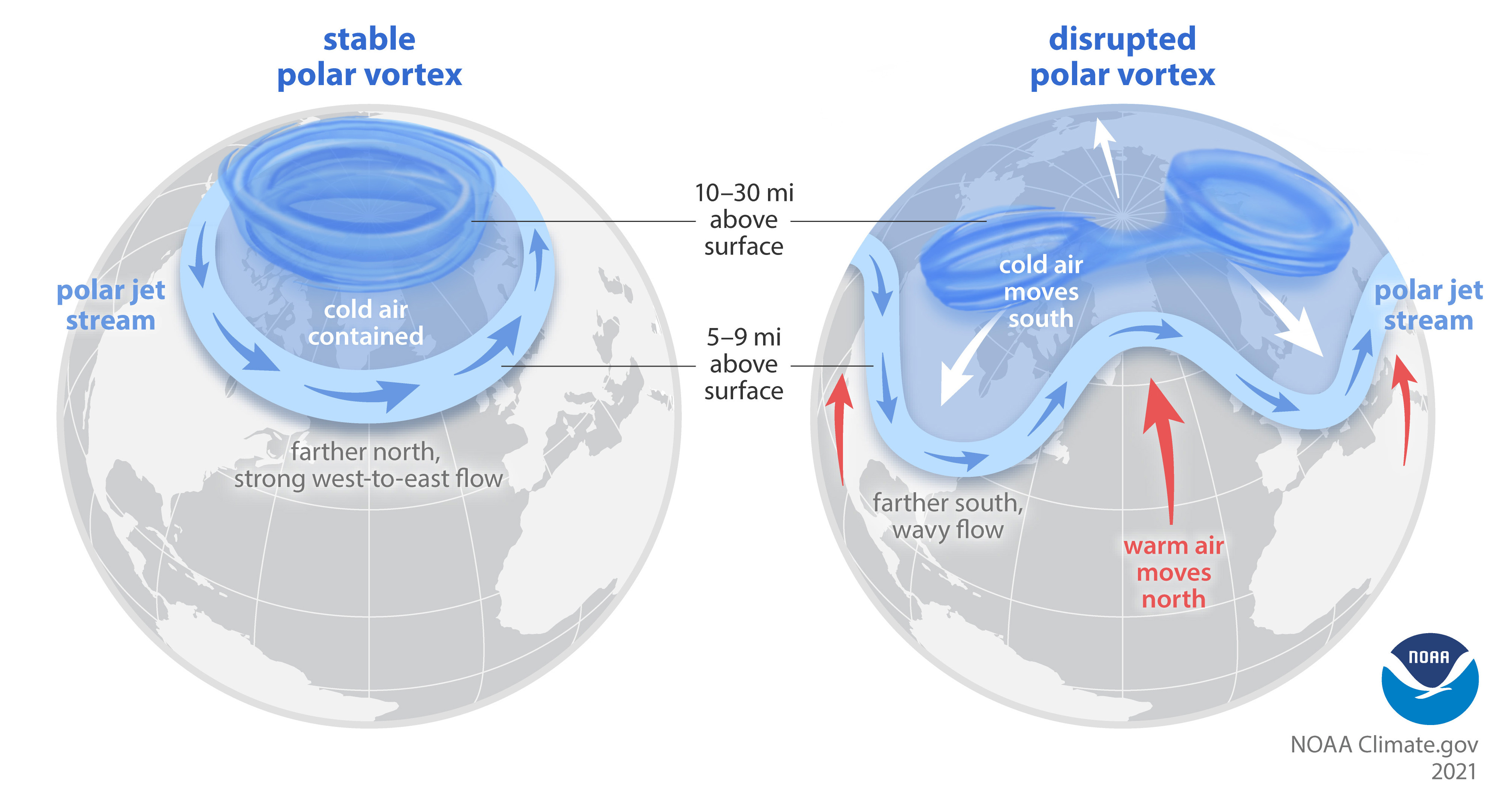
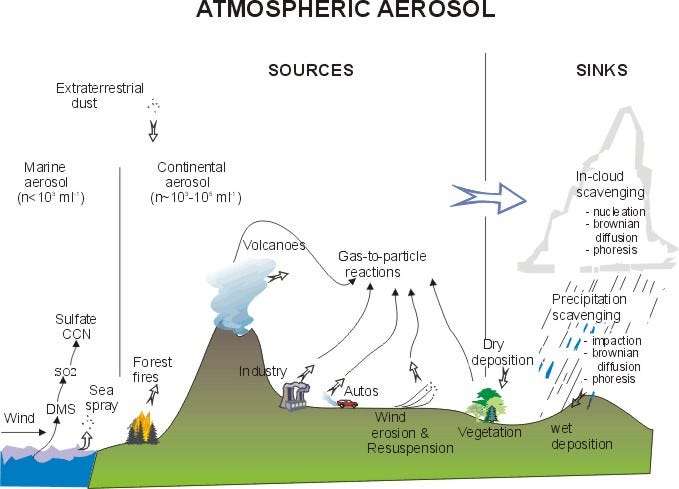
🌧 PRECIPITATION & CLOUD DYNAMICS
Aerosol Overloading Effects
• Increased cloud condensation nuclei → smaller droplets
• Delayed rainfall → longer droughts
• Sudden precipitation release → flooding events
Observed Risks (from volcanic & pollution analogs):
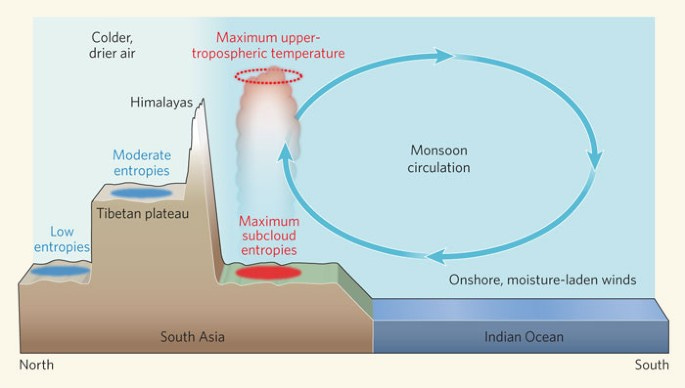
Weakening of monsoon systems
Poleward shift of rainfall belts
Reduced soil moisture persistence
More intense but less frequent storms
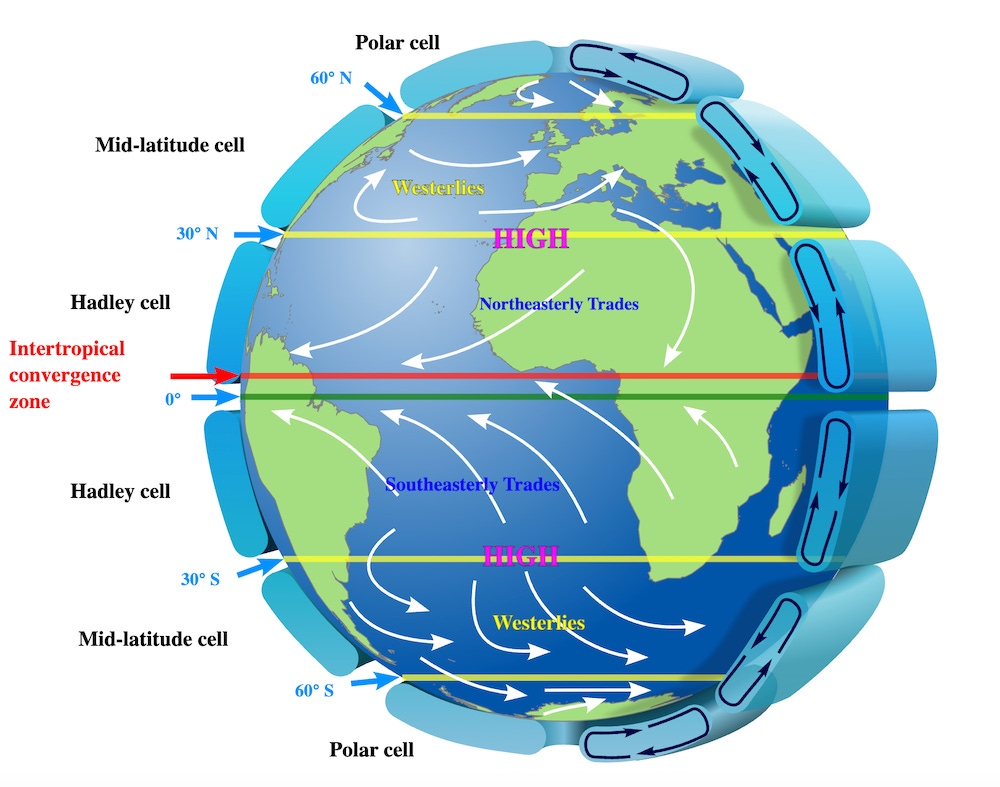
🌪 ATMOSPHERIC CIRCULATION CHANGES
• Altered Hadley Cell strength
• Jet stream destabilization
• Increased atmospheric blocking events
• Persistent heat domes or cold stagnation zones
Net Result:
⚠️ Weather becomes less predictable and more extreme, not more controlled.
IV. ATMOSPHERIC CHEMISTRY CASCADE EFFECTS
A. Hydroxyl Radical (OH) Disruption
Large chemical injections may:
• Reduce methane breakdown
• Extend lifetimes of toxic gases
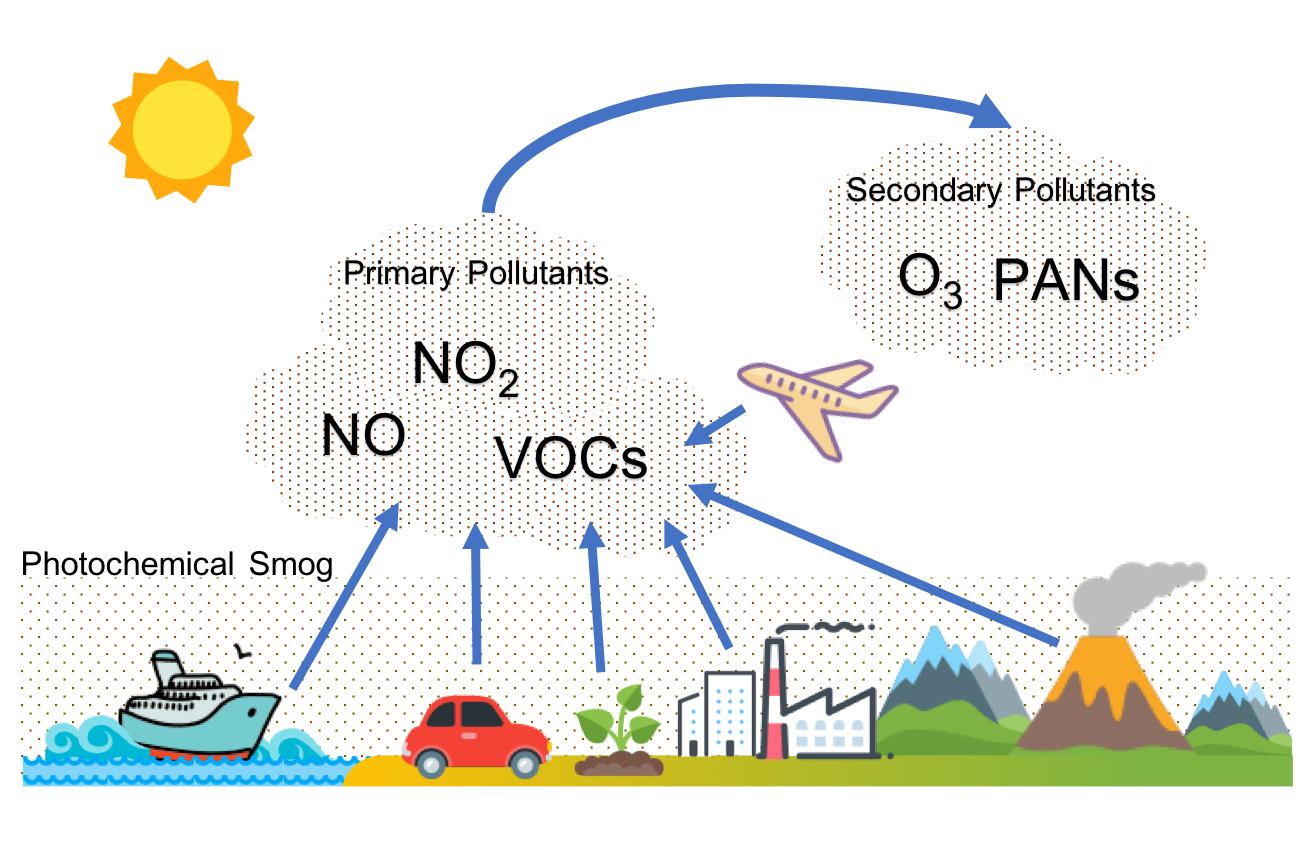
B. Ozone & Secondary Pollutants
Consequences
• Reduced ozone allows additional ultraviolet radiation to reach the earth’s surface
• Ultraviolet C that is normally blocked may pass through reduced ozone layers
C. Acid Deposition
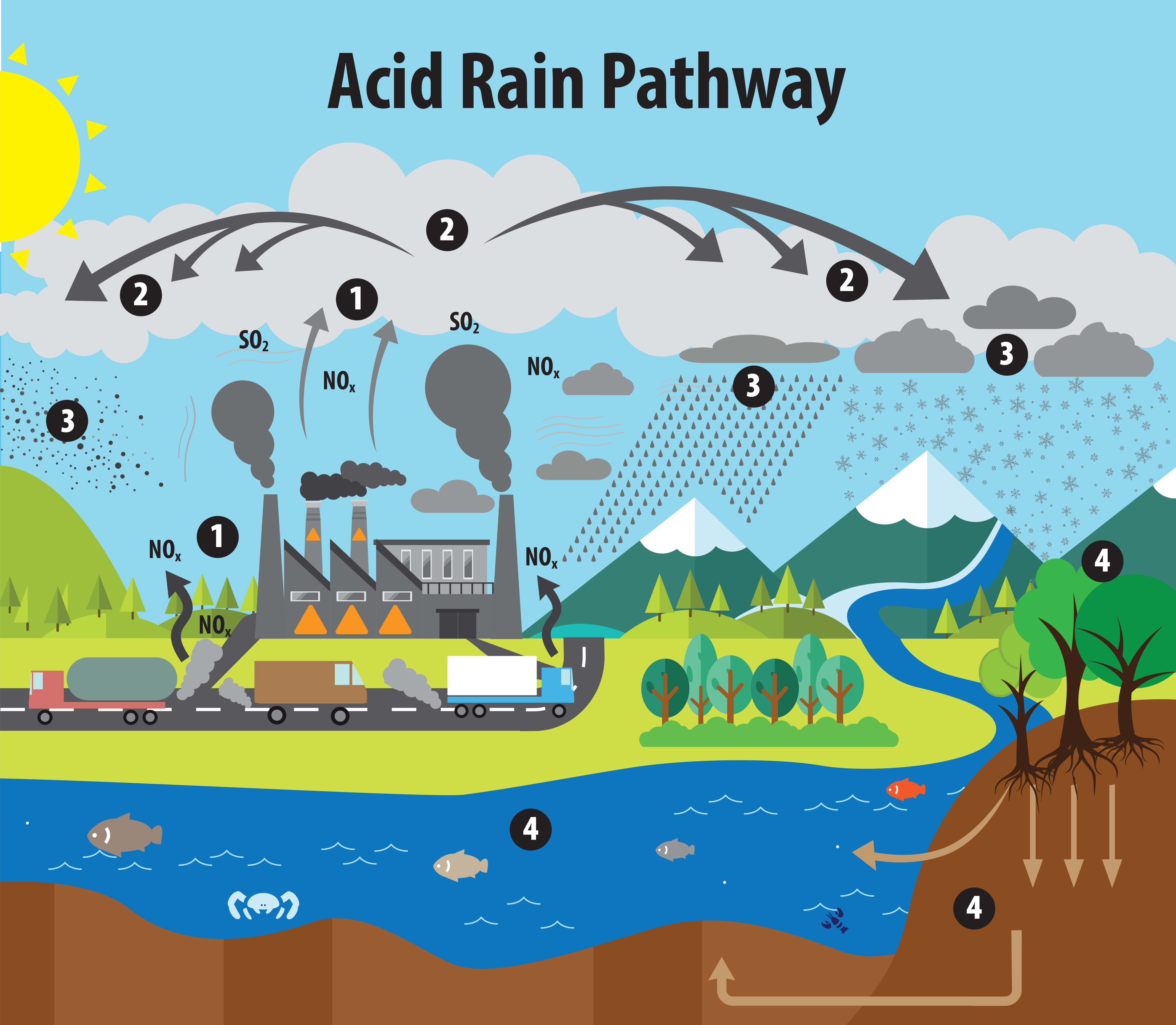
Sulfur oxides + nitrogen oxides → acid rain
Impacts
• Soil nutrient leaching
• Forest canopy damage
• Fish and amphibian population collapse
• Corrosion of infrastructure

V. HUMAN HEALTH IMPACTS
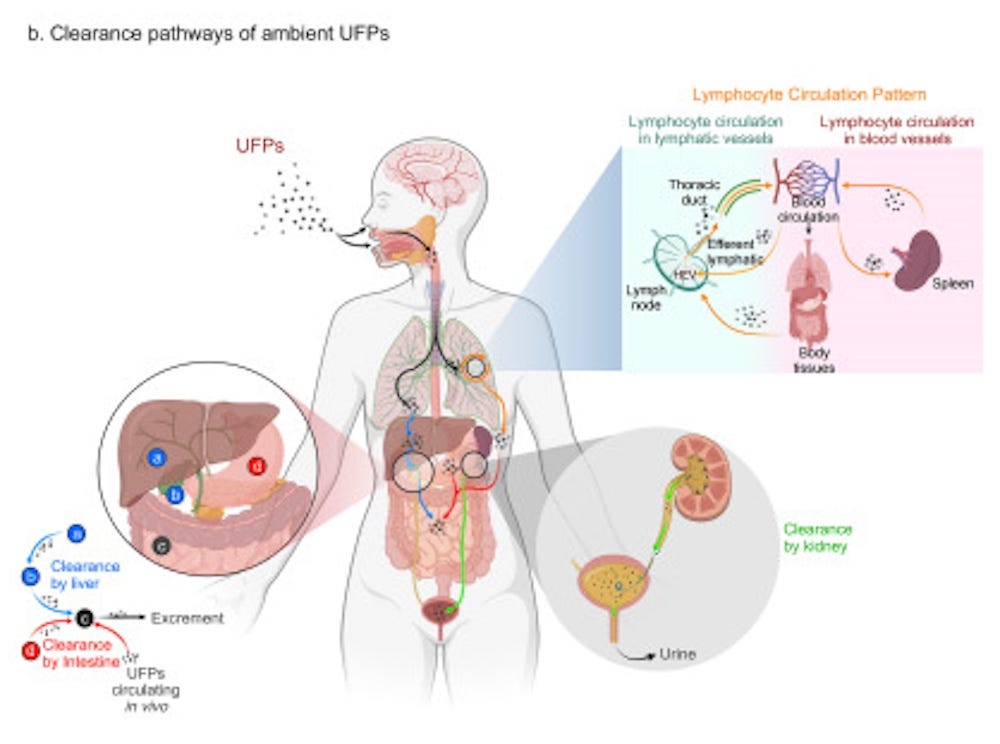
🫁 RESPIRATORY SYSTEM
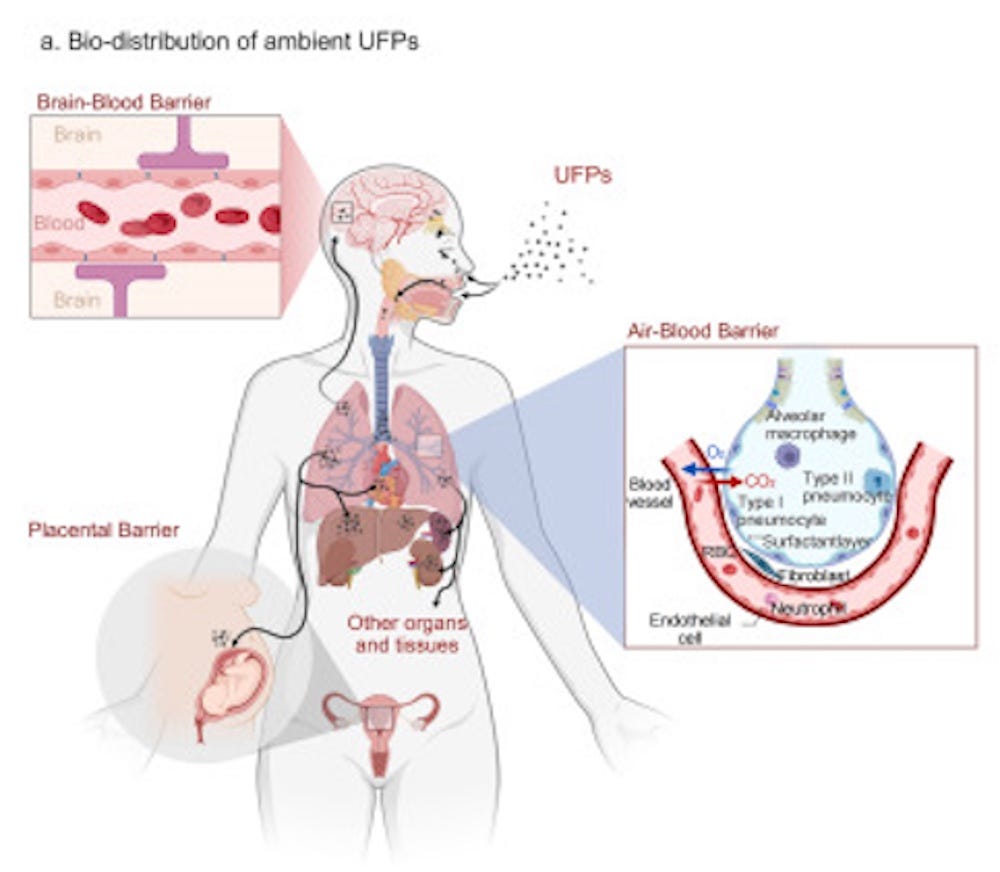
Particulate Matter (PM₂.₅ & Ultrafines)
• Deep lung penetration
• Chronic inflammation
• Reduced lung capacity
• Asthma exacerbation
• Increased pneumonia risk
❤️ CARDIOVASCULAR EFFECTS
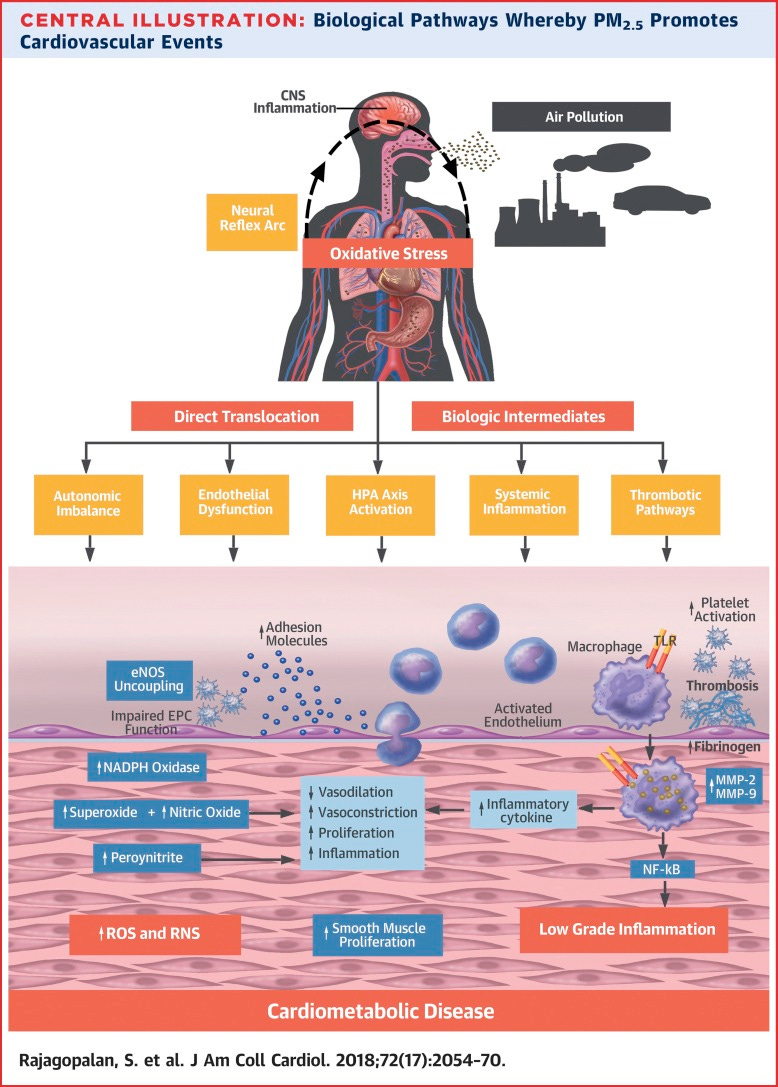
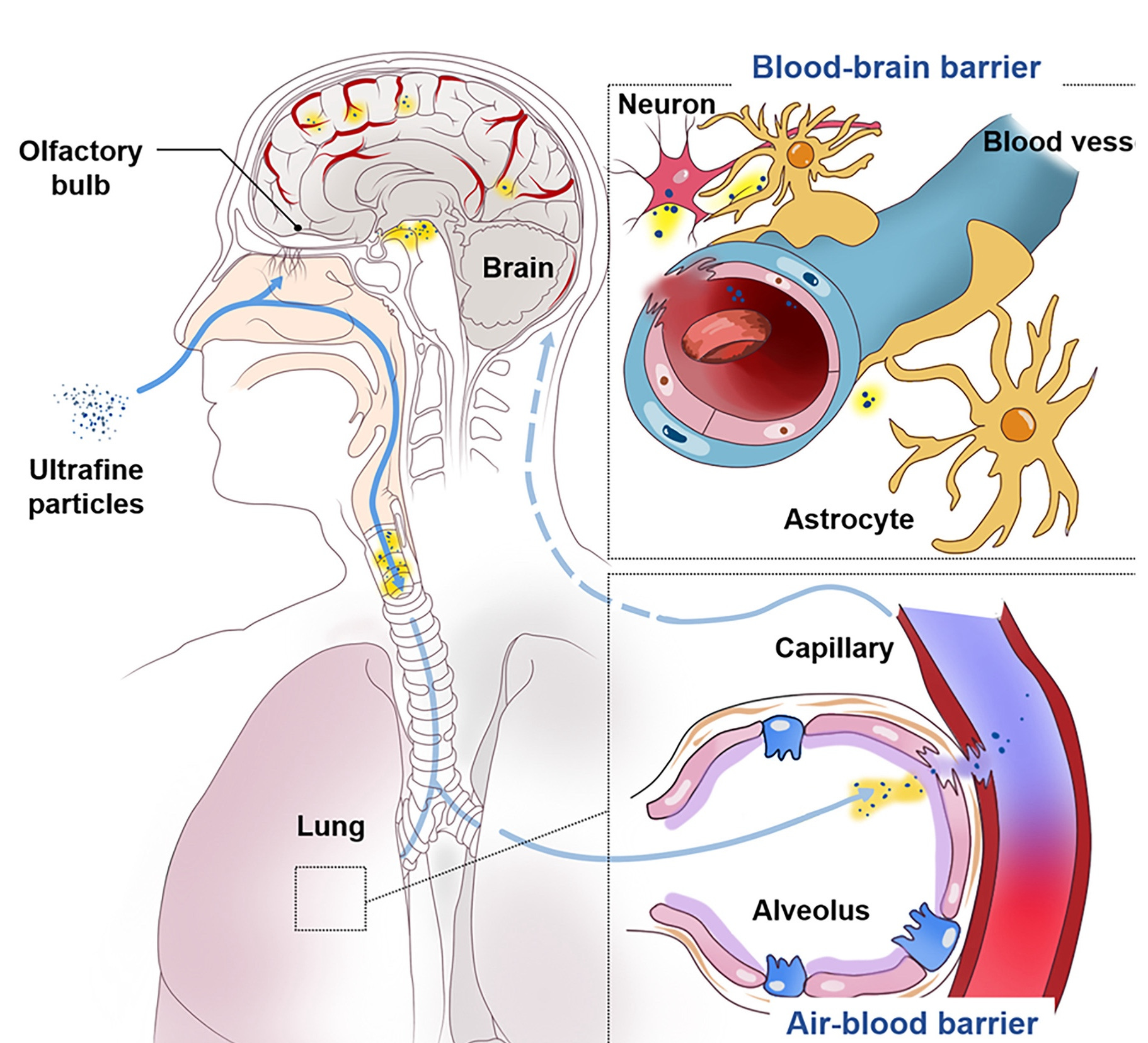
Particles enter bloodstream →
• Endothelial dysfunction
• Increased clot formation
• Elevated heart attack and stroke risk
🧠 NEUROLOGICAL & SYSTEMIC EFFECTS
Nanoparticles (e.g., aluminum):
• Can cross blood–brain barrier
• Neuroinflammatory responses
• Cognitive and motor impacts (under investigation)
☠️ ACUTE TOXICITY RISKS
Hydrazines & Hydrogen Chloride
• Highly corrosive and toxic
• Eye, skin, and lung injury
• Potential carcinogenicity
• Emergency-level exposure risk even at low concentrations
Carbon Monoxide
• Oxygen displacement
• Headaches, confusion, loss of consciousness
• Fatal at elevated levels

VI. ECOLOGICAL & BIOSPHERE DAMAGE
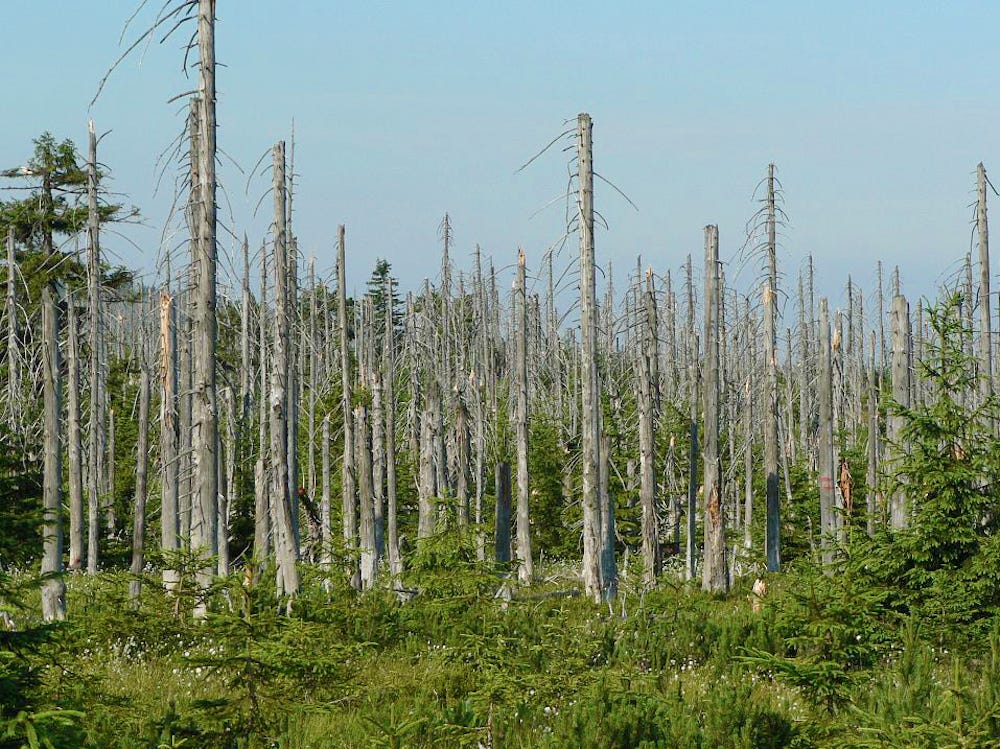
🌱 TERRESTRIAL ECOSYSTEMS
• Reduced photosynthesis from light scattering
• Aluminum soil toxicity inhibits root growth
• Nitrogen over-fertilization alters plant competition
• Increased tree mortality from acid stress
🌊 AQUATIC SYSTEMS
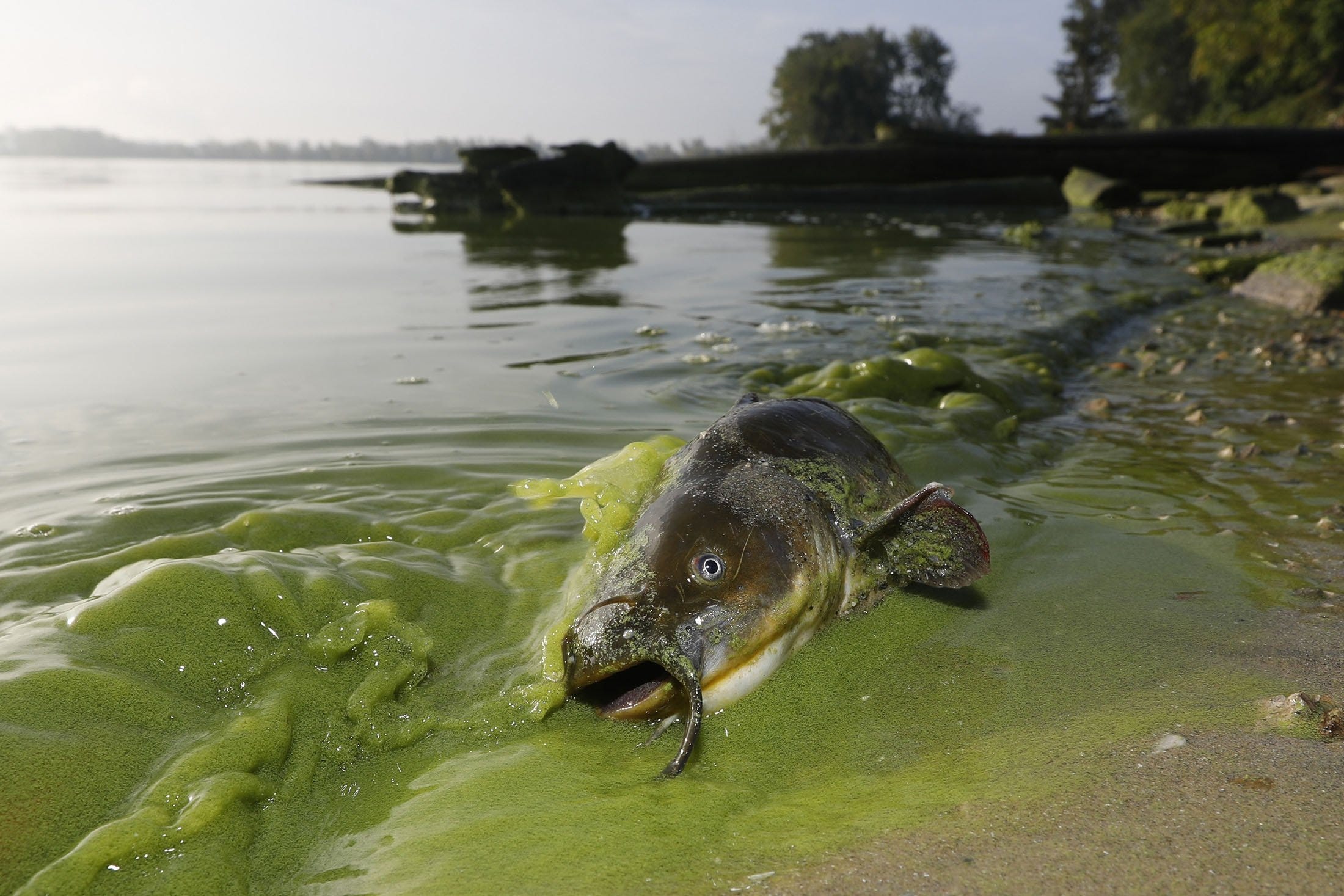
• Acidification of lakes and streams
• Aluminum mobilization damages fish gills
• Collapse of plankton food webs
• Long-term biodiversity loss

VII. IRREVERSIBILITY & GOVERNANCE RISKS
A. Termination Shock
If aerosol spraying stops suddenly:
• Rapid temperature rebound
• Ecosystems and agriculture unable to adapt
• Severe weather acceleration
B. Scientific Uncertainty
• No full-scale controlled experiments possible
• Feedback loops poorly understood
• Regional impacts unequal and unpredictable
C. Ethical & Legal Risks
• Cross-border climate effects without consent
• Disproportionate harm to vulnerable populations
• No established liability or remediation mechanisms

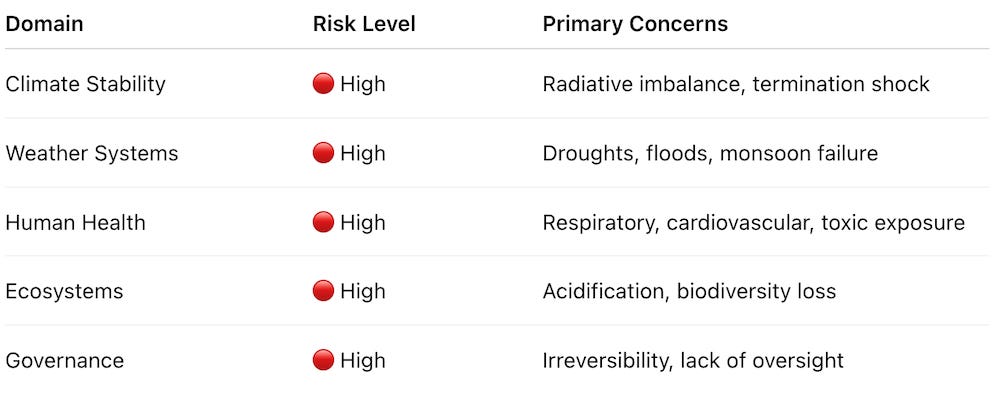
IX. CONSOLIDATED RISK MATRIX

X. SCIENCE OPERATIONS (SCI-OP)
Human Psychology and Behaviour
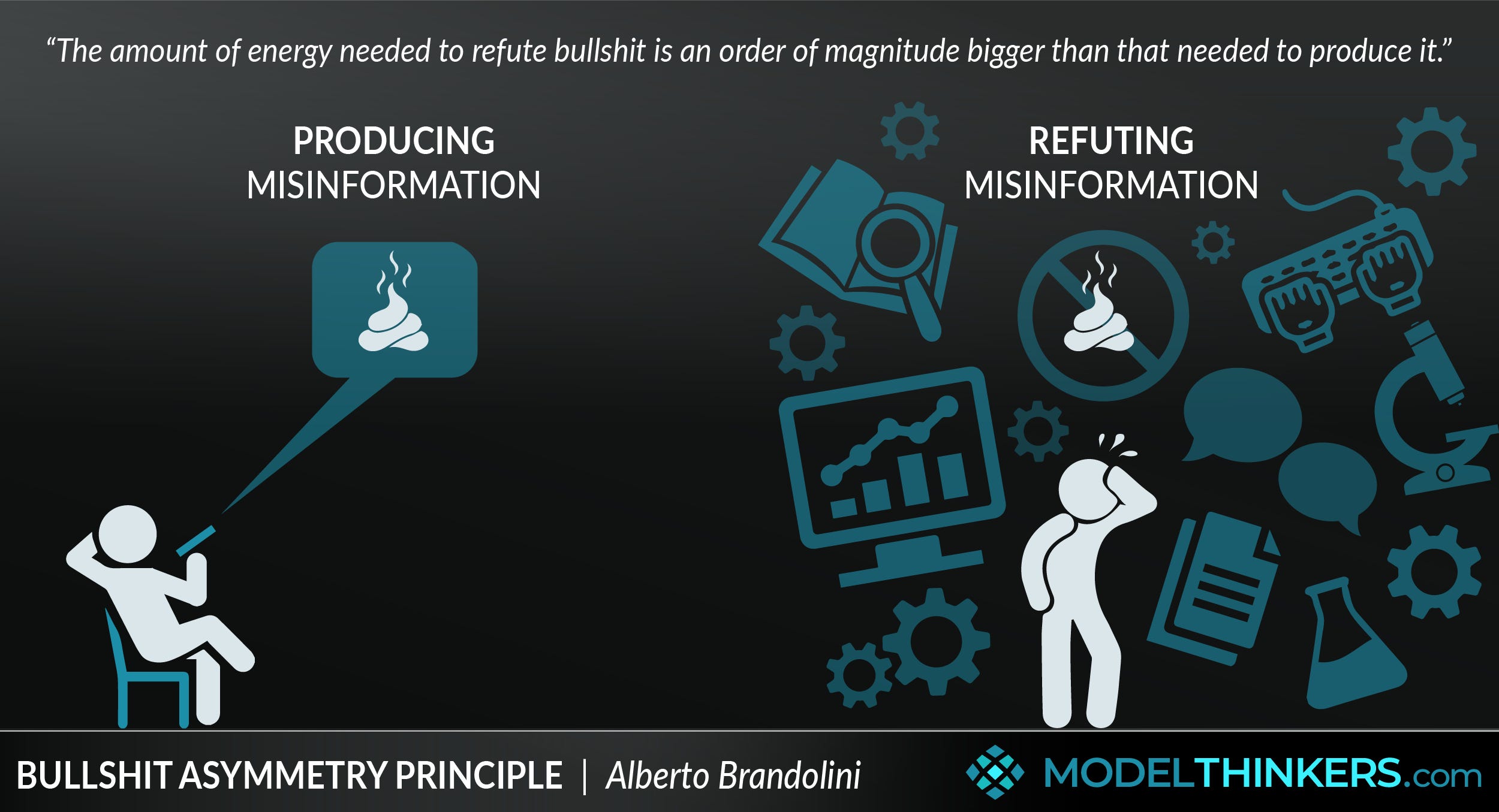
In addition to being a source of information, this article also serves as an exercise in human psychology and behaviour. Most people will form an opinion about the information in this article after the first few sentences and they will either stop reading and leave, or submit a comment, even though they really have no idea what the details are actually about.
This article is not a hypothetical geoengineering project. This article is about microscopic air pollution caused by global aviation and rocketry.
This article is an example that exposes the method by which globalist organizations (and others) present overwhelming amounts of pseudo-scientific information in a format that causes the reader’s minds to jump to conclusions before they have taken the time to fully comprehend the information.
This article presents details about the real-life, ongoing “experiment” of global aviation and rocketry that is thoughtlessly poisoning our atmosphere and planet. It is also designed to help readers comprehend how Sci-ops (as opposed to Psy-ops) are used to manipulate your mind.
All of the harms listed in this article are real. This is what invisible, microscopic air pollution from global aviation and rocketry is actually doing to each and every one of us, everyday, everywhere.
I realize that you may still be confused. If you would like to learn more about this issue and you are unable to wait for my upcoming article with all the details, then feel free to contact me directly at 310-619-3055 via phone, text, Signal, Telegram or WhatsApp.


This article clearly violates the advice presented below but that is because this article is NOT designed to convince anyone who does not want to be convinced.
This article contains far too much data, facts, evidence and information that clearly conflict with the prevailing narrative to which most people subscribe.
This article IS written for those rare people (approximately 1 out of 10,000) who rely on verifiable facts and legitimate evidence to inform their views.
This article IS designed to be an ENORMOUS resource of information, data, facts and evidence for those rare people who value such things.


How many times have you heard that the white lines in the sky are the result of an evil cabal that is operating a covert spraying operation (which is nevertheless clearly visible) and that the problem is NOT caused by jet fuel.
Have you been told that “THEY” are spraying you with strontium, aluminum and barium? CLICK HERE
If you still believe that you are being “sprayed,” maybe you ought to read this article at least two more times.



If you would like to have a respectful discussion regarding this issue and help work on possible solutions, then please feel free to contact me directly anytime at 310-619-3055 (phone, text, Signal, Telegram or WhatsApp) or James.Roguski@gmail.com
James Roguski
310-619-3055
My Story

JamesRoguski.substack.com/archive
All support is deeply appreciated.
CLICK HERE TO DONATE

See Dane Wigington's website: Geoengineering.org.
However, I don't believe that most geoengineers are actually unwitting. I believe that many, if not most, know exactly what they are doing.
Blessings and appreciation from Sydney Australia.