
The Initial PABS Submissions Are Available
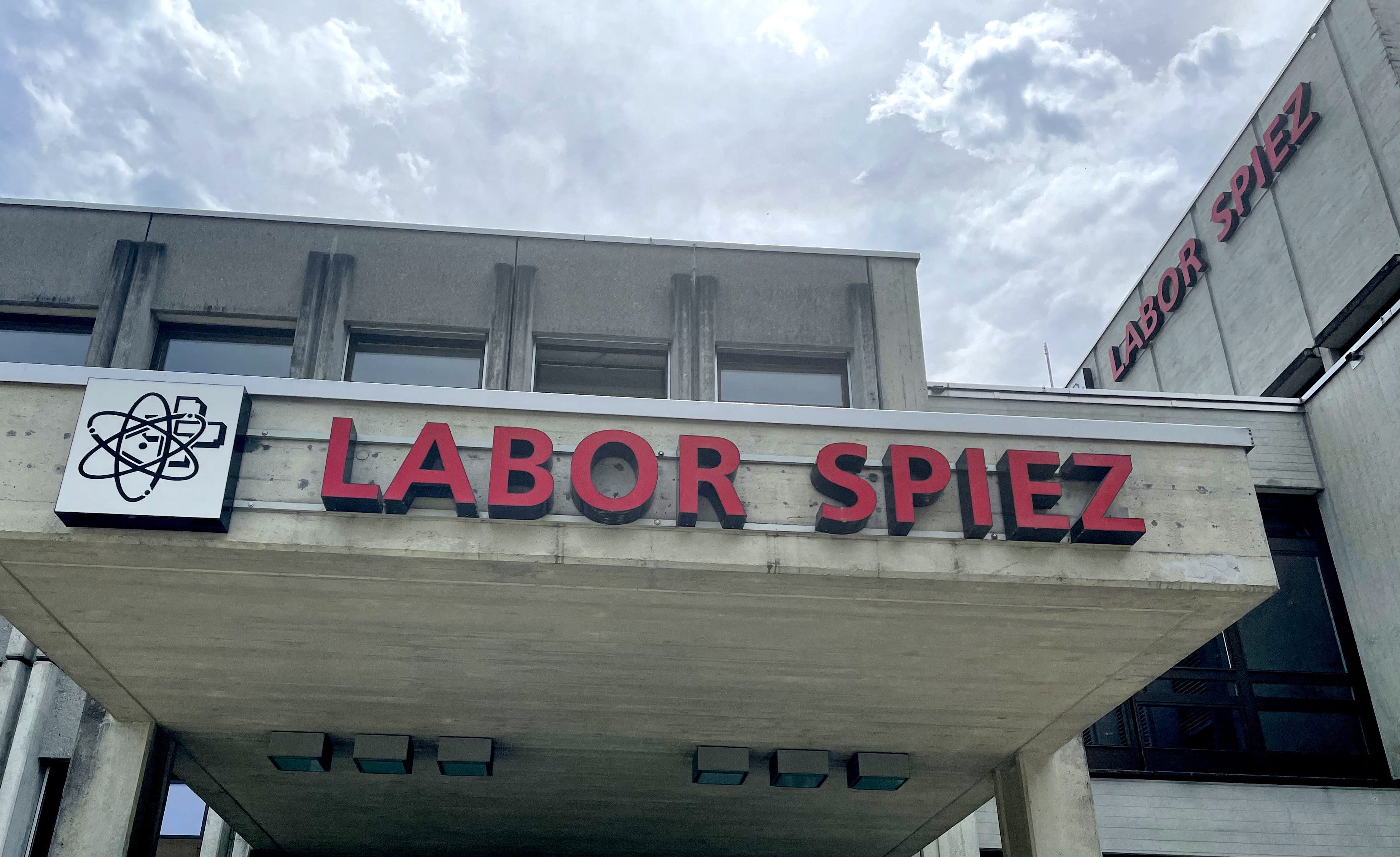
Initial submissions for the Pathogen Access and Benefit Sharing System negotiations have been published by the WHO. The WHO Bio-Hub in Spiez, Switzerland is at the center of this controversy.


"We need the World Health Organization go to hell."

Short version:
Full Version:
The WHO BioHub facility is a joint initiative between the World Health Organization (WHO) and the Government of Switzerland. The Spiez Laboratory in Switzerland, plays a crucial role in the global sharing of biological materials related to epidemics and pandemics. CLICK HERE for details.
We suggest holding the simulation exercise between the third (3-7 November, 2025) and fourth (1-5 December, 2025) meetings of the IGWG, as a one-day event on the premises of the Spiez Laboratory in Switzerland.
Federal Department of Home Affairs, FDHA Federal Office of Public Health, Division of International Affairs (page 4)

Time is running out to stop a lab leak in Switzerland!
Further reading:
The WHO, the Spiez Laboratory and the contract that nobody knows about
Spiez Laboratory Reloaded – The WHO is stepping up, Switzerland is delivering
Spiez Laboratory: Where the WHO is preparing its pandemic game
Laboratory Country Switzerland – The silent implantation of the WHO
Interview: Unnoticed by the public – Switzerland operates the only WHO biolab
Institutional vaccine damage: The FOPH in the final stages of WHO subservience
Imminent danger: Biological weapons infrastructure in Switzerland under foreign control?
BioHub Switzerland: WHO laboratory, virus storage facility, control instrument
What you are not supposed to know about the partial revision of the Epidemics Act
Bioweapon on demand: The Disease X doctrine and the laboratory in the Alps
Dr. Meryl Nass and Christian Oesch in conversation: The WHO and Switzerland.
Covid as a military operation – of course, also in Switzerland.
Switzerland under foreign command – under the command of the WHO's backers?
The WHO's plans for Switzerland: Pathogens and secret biolabs.

If you thought that the battle against the WHO was somehow over, you really need to review the information below…

Please watch the video below:

https://x.com/Nicole_Barlow1/status/1954941034321842180?t=hEs7XTMDB8r0guRd9mjJaA
The InterGovernmental Working Group has published the initial submissions for the negotiations of the Pathogen Access and Benefit Sharing System.
https://apps.who.int/gb/igwg/e/e_igwg2-initial-text-proposals.html
Negotiations are scheduled to resume September 15-19, 2025.
Some excerpts from the submitted documents are below:
Africa?
As of August 11, 2025, no submissions from the African nations have been made available.

Australia, the United Kingdom, Norway, Canada, and New Zealand (6 pages)
https://apps.who.int/gb/igwg/pdf_files/IGWG2-initial-text-proposals/AUS-UK-NOR-CAN-NZ.pdf
Consider and/or address:
Provisions regarding the framework for legally binding contracts between WHO and participating manufacturers for benefit-sharing and options for benefit-sharing, including whether model clauses form an appendix or are adopted by the Conference of the Parties
Provisions regarding the negotiation of contracts with participating manufacturers that provide legal certainty, consider the manufacturer’s nature and capacity, and increase the likelihood of manufacturers electing options for product access and other benefit-sharing provisions without disincentivizing product development or conclusion of legally binding contracts between WHO and participating manufacturers, and
Provisions regarding a framework for the distribution of Vaccines, Therapeutics and Diagnostics, including the process and criteria to determine ‘public health risk and need’, and the role of WHO, other relevant international organizations, and use of the Global Supply Chain and Logistics Network.
Provisions regarding the sharing of monetary benefits, including annual monetary contributions, and consider what form non-monetary benefits might take
Criteria for quantification and terms of contributions
Governance of contributions once received by the PABS system including transparency, reporting, and scope for spending/allocation
Provisions regarding the development, review and amendment of terms of reference with laboratories and databases that are in line with the principles of the PABS System
European Union (3 pages)
https://apps.who.int/gb/igwg/pdf_files/IGWG2-initial-text-proposals/EU.pdf
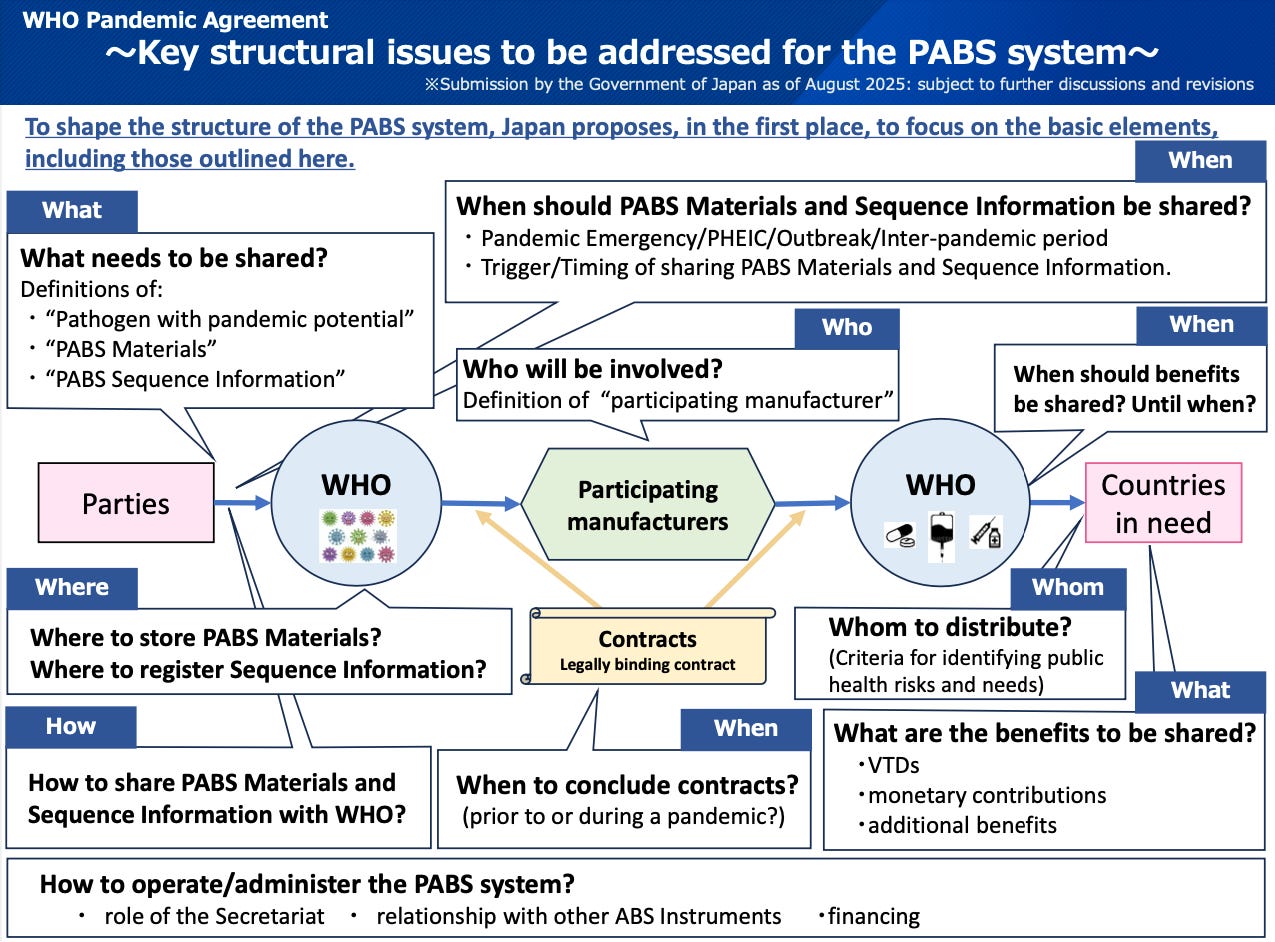
Japan
Contracts with participating manufacturers (which are both legally-binding and voluntarily concluded) as the instrument for benefit sharing
Definition and parameters for quantification of annual monetary contribution o The distribution and use of annual monetary contributions
granting of non-exclusive licences to manufacturers in developing countries, for the effective production and delivery of vaccines, therapeutics and diagnostics;
Japan
https://apps.who.int/gb/igwg/pdf_files/IGWG2-initial-text-proposals/Japan.pdf
Malaysia (11 pages)
https://apps.who.int/gb/igwg/pdf_files/IGWG2-initial-text-proposals/Malaysia.pdf
Malaysia has submitted the most advanced and complete proposal.
I strongly suggest that you take the time to read the 11 page document submitted by Malaysia.
“Data Access Agreements (DAAs)” refer to legally binding or standardized contractual instruments) from all users of database intending to access PABS Sequence Information established under the PABS System to govern the access, use, sharing, and management of PABS Sequence Information provided by Member States, laboratories, or other authorized entities.
“Pathogens with pandemic potential” is any pathogen that is novel (not yet characterized) or known (including a variant of a known pathogen), is highly transmissible human to human and can cause a pandemic emergency as defined in the IHR.
“PABS Materials” refers to live isolates of pathogens with pandemic potential, and parts thereof, modified pathogens, and any other materials derived from, generated or prepared using the PABS Materials.
“PABS Sequence Information” shall include genetic, genomic, and proteomic data, including full or partial sequences, annotations, synthetic data, and digital sequence information (DSI), necessary for scientific utility.
“Participating manufacturer” means public or private entities including academic institutions, government owned or government subsidized entities, non-profit organizations or commercial entities that develop and/or produce vaccines, therapeutics and diagnostics for pathogens with pandemic potential and has entered into legally binding contracts with WHO for accessing PABS Material or Sequence Information.
“Standard Material Transfer Agreements (SMTAs)” are standardized, legally binding contracts adopted under the PABS System to regulate the transfer, receipt, and use of Pathogen Materials (including clinical specimens, isolates, and derivatives) between providing entities (such as Member States, laboratories, or biorepositories) and receiving parties (including manufacturers, research institutions, or public health agencies). SMTAs specify the rights and obligations of all parties, including conditions for use, restrictions on onward transfer, intellectual property considerations, requirements for transparency, and benefit-sharing commitments (monetary and non-monetary).
Nationally authorized laboratories forming a network coordinated by WHO to provide and access PABS Materials after signing SMTA1.
Entities/Persons outside this network of national authorized laboratories may seek access to PABS materials by signing an SMTA2 with WHO. Such SMTAs should specify PABS Materials, purposes and benefits arising therefrom. c.
Access to WHO sequence database shall be available to all registered users, on a non-discriminatory basis subject to acceptance of DAA.
WHO Collaborating Centres and designated National Reference Laboratories within a WHO coordinated laboratory network for sharing PABS Material and Sequence Information shall serve as the primary hubs for the receipt, storage, and redistribution of such materials. Sequence Information shall be deposited, managed, and disseminated exclusively through a WHO database, which shall maintain secure, transparent, and auditable systems for access and use, ensuring that such sharing is conducted in a manner that is consistent with the PABS system and traceable.
WHO shall be responsible for managing and maintaining global registries of PABS Materials and Sequence Information; coordinating the collection, allocation, and disbursement of monetary and non-monetary benefit-sharing contributions;
All transfers of PABS Materials shall be undertaken in strict compliance with biosafety and biosecurity protocols approved by the WHO, utilizing couriers certified to handle materials at Biosafety Level 2 or 3, as appropriate. Prior to any transfer, the transferring entity shall ensure the use of tamper-proof and secure packaging, and maintain a complete chain-of-custody record to guarantee the integrity and traceability of the materials. The provider and the WHO Collaborating Centre shall be notified, in a timely manner, of the receipt and final disposal of such materials to ensure transparency, oversight, and compliance with applicable provisions of this Annex.
All parties involved in the transfer, including the sender, transporter, and recipient, shall maintain adequate liability coverage to address any incidents, accidents, or damages that may arise during the transfer process.
All recipients of PABS Materials and Sequence Information shall agree to contribute to monetary and non-monetary benefits.
Annual monetary contribution is based on the revenue generated from the commercialization of products and services, directly or indirectly, from using the PABS system, in accordance with rates and thresholds to be determined and set out in implementing arrangements
Funds collected pursuant to this Article shall be allocated, in a transparent and equitable manner, based on public health risk and need, with priority to countries most severely affected by the pandemic, to developing countries lacking domestic manufacturing capacity, and to WHO-coordinated mechanisms for stockpiling, logistics, and the equitable global distribution of vaccines, therapeutics, and diagnostics (VTDs) and as further determined.
The Conference of the Parties (COP) to the WHO Pandemic Agreement shall establish a dedicated PABS Secretariat, which shall be responsible for managing and maintaining global registries of PABS Materials and Sequence Information; coordinating the collection, allocation, and disbursement of monetary and nonmonetary benefit-sharing contributions; and overseeing and verifying compliance with Standard Material Transfer Agreements (SMTAs), Data Access Agreements (DAAs), and benefit-sharing commitments.
The Conference of the Parties (COP) to the WHO Pandemic Agreement shall inter alia approve strategic priorities, operational policies, and budgetary allocations for the PABS System; ensure the timely and equitable distribution of vaccines, therapeutics, and diagnostics (VTDs) based on public health risk and equity considerations; and review and take decisions on the annual PABS implementation and performance report prepared by the PABS Secretariat.
Day-to-day operations of the PABS System shall be coordinated and administered by the WHO, including conducted through WHO-designated laboratories, comprising national and regional reference laboratories responsible for the receipt, handling, and redistribution of PABS Materials; WHO global databases for the secure storage and dissemination of PABS Sequence Information; and distribution centres responsible for the storage and delivery of stockpiled or donated vaccines, therapeutics, and diagnostics (VTDs).
Develop, host, and maintain the WHO PABS Sequence Information Database – a secure, standardized global database for PABS Sequence Information, accessible to Parties and registered users that have accepted DAAs
Cooperate fully with WHO to fulfil all monetary and non-monetary benefitsharing requirements as stipulated in Standard Material Transfer Agreements (SMTAs), Data Access Agreements (DAAs), or other legally binding instruments under the PABS System.
Switzerland (5 pages)
https://apps.who.int/gb/igwg/pdf_files/IGWG2-initial-text-proposals/Switzerland.pdf
Proposal for a simulation exercise
Switzerland, in collaboration with the WHO Collaborating Centre at the Spiez Laboratory, proposes to organize a simulation exercise to support the negotiations of the annex. This simulation exercise will ideally be co-hosted by a Member State from the Global South and coordinated by the WHO with the WHO Biohub.
We suggest holding the simulation exercise between the third (3-7 November, 2025) and fourth (1-5 December, 2025) meetings of the IGWG, as a one-day event on the premises of the Spiez Laboratory in Switzerland.
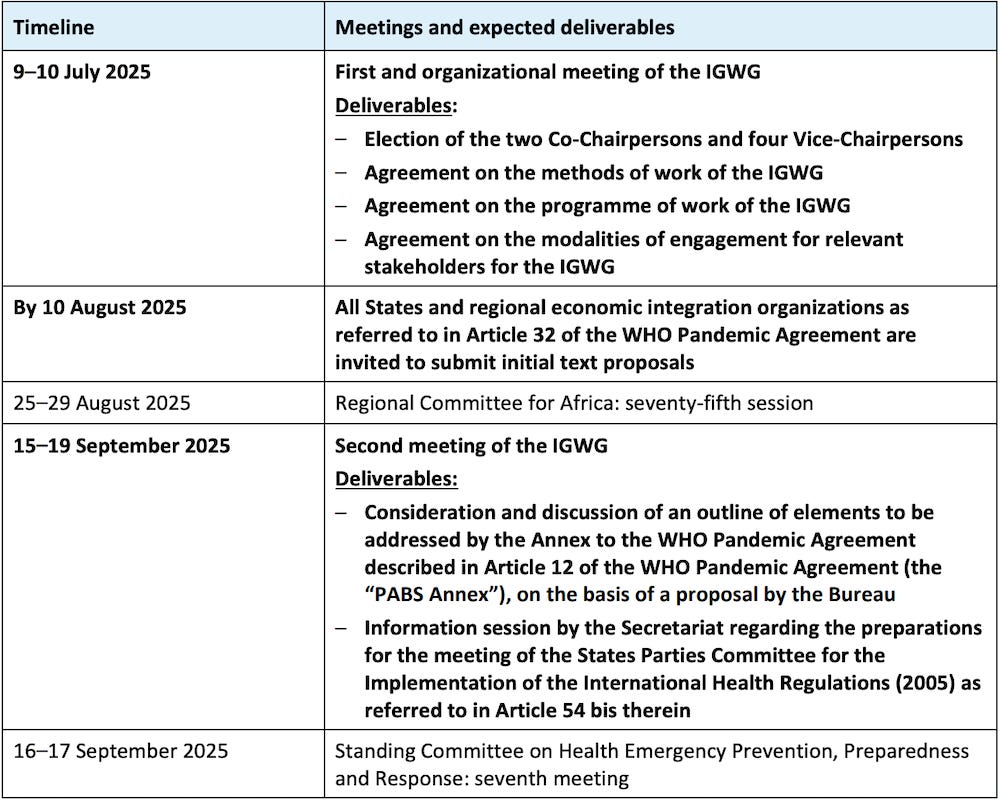
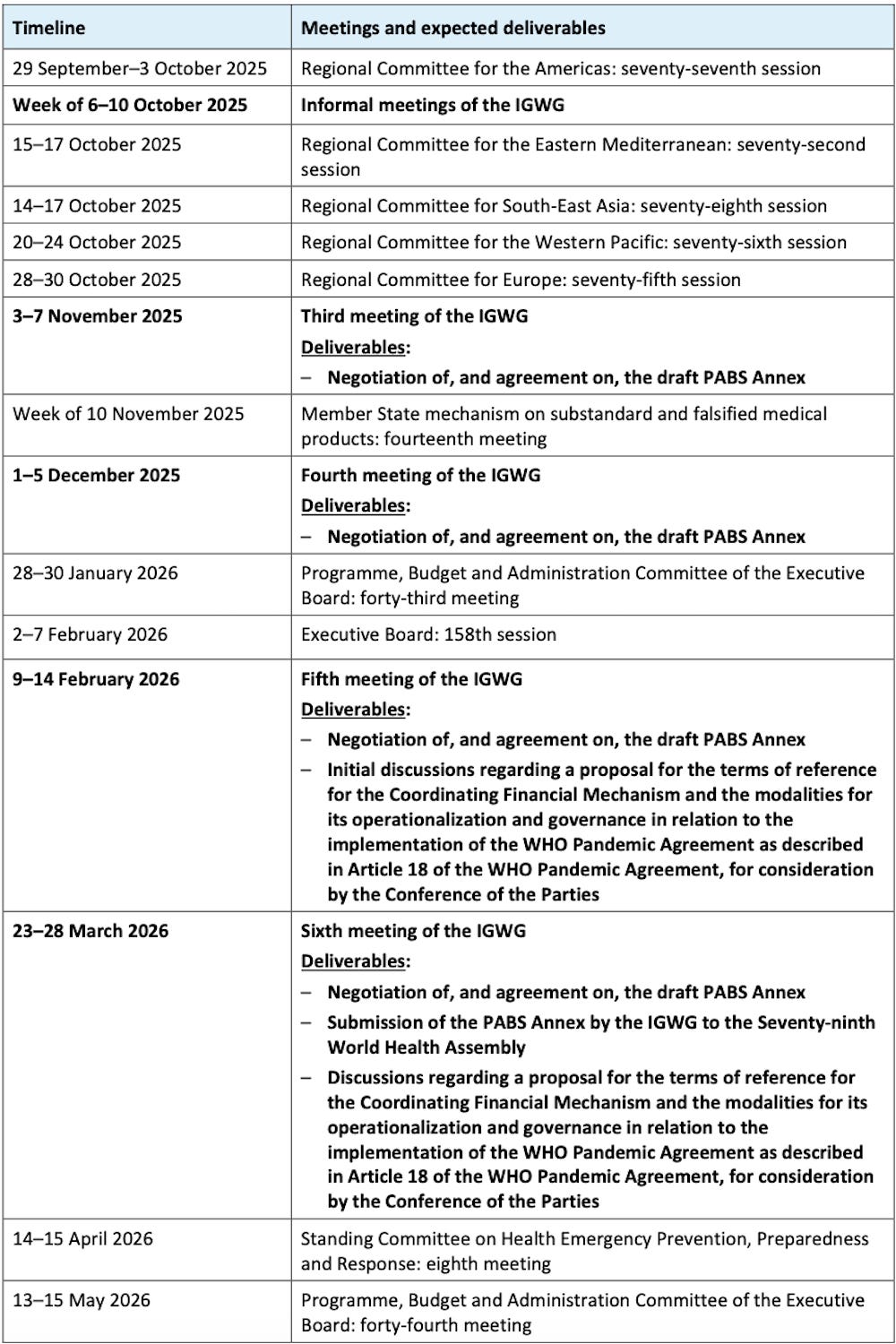
The Timeline and Deliverables for the ongoing PABS IGWG negotiations are below:
https://apps.who.int/gb/IGWG/pdf_files/IGWG1/A_IGWG1_3Rev1-en.pdf
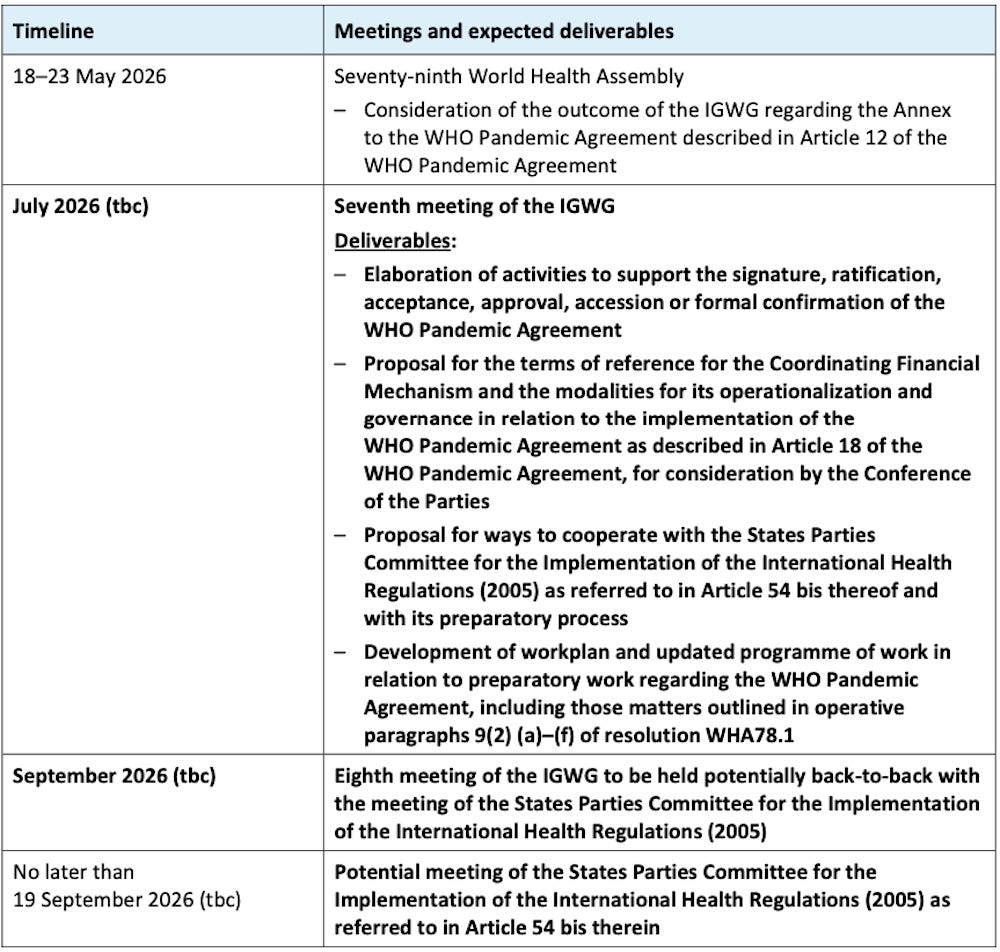

Below are the “relevant stakeholders” who will be participating in the IGWG negotiations:
https://apps.who.int/gb/IGWG/pdf_files/IGWG1/A_IGWG1_4-en.pdf
https://www.who.int/publications/m/item/non-state-actors-in-official-relations-with-who
James Roguski
310-619-3055
JamesRoguski.substack.com/archive

DETAILS: REPEALThePREPAct.com
SIGN THE PETITION: REPEALThePREPAct.ORG

Thank you, James, for all your hard work.💗❤️💗
It's like the WHO will have a gun to the head of every person in the world, fully loaded with novel virus bullets.